








What's Happening?
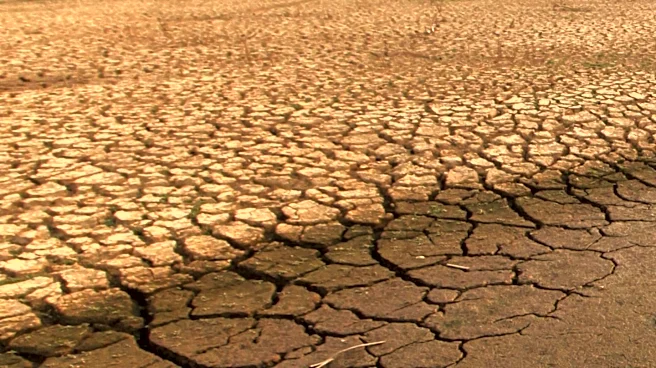
U.S. consumers are likely to face increased prices for coffee, chocolate, and palm oil due to a near-record strong El Niño climate cycle. This phenomenon, characterized by hotter-than-normal sea surface temperatures in the tropical Pacific Ocean, is forecast
to peak in the fall and winter. Its effects, including drought in some regions like Australia and flooding in others such as eastern Africa, along with an increased prevalence of heat extremes globally, are impacting key agricultural producing countries. Brazil, Vietnam, and Central America, significant coffee-growing regions, are experiencing shifts in precipitation, with Southeast Asia facing flooding and Central America experiencing drought. Indonesia, a major palm oil producer, is currently undergoing an El Niño-related drought, leading to significant wildfire outbreaks that are hurting palm oil production. These climate impacts are exacerbating existing supply chain pressures stemming from geopolitical tensions in the Middle East and Black Sea, contributing to a steady climb in global food prices, according to Maximo Torero, chief economist at the UN Food and Agriculture Organization.
Why It's Important?
The anticipated price increases for tropical commodities like coffee, chocolate, and palm oil will directly affect U.S. consumers, impacting daily expenses for popular goods. While food security experts do not foresee widespread food shortages within the U.S. due to its robust agricultural production, the cost of these specific imported products is expected to rise through 2026 and into 2027. This situation highlights the interconnectedness of global climate patterns and international supply chains with domestic consumer prices. Developing countries, where these products are primarily grown, are expected to bear the brunt of El Niño's impacts due to their limited capacity to adapt to agricultural shortages and extreme weather events. The combination of El Niño with ongoing geopolitical conflicts and trade barriers creates a complex challenge for global food prices, with potential for significant spikes in regions like Southern and Eastern Africa, where maize prices could increase by up to 20%.
What's Next?
The El Niño event is forecast to peak this fall and winter, suggesting that the full extent of its impact on commodity prices and global food supply chains will become more apparent in the coming months. Consumers in the U.S. should anticipate sustained elevated prices for coffee, chocolate, and palm oil for up to a year after El Niño's peak. The severity of the price increases will depend on the intensity of El Niño and the effectiveness of policy responses from affected countries. For instance, if India, experiencing a drier-than-average monsoon season, decides to limit rice exports due to domestic food insecurity concerns, global rice prices would increase. Experts like Maximo Torero warn of a slow progression towards a food crisis by the end of this year or early next year, with the depth of the crisis heavily influenced by El Niño's additional impact and the continuation of geopolitical conflicts.
Beyond the Headlines
This situation underscores the vulnerability of global food systems to climate phenomena and geopolitical instability. The disproportionate impact on developing countries reveals deeper issues of economic resilience and adaptive capacity in the face of climate change. The reliance of the U.S. market on imported tropical commodities means that climate events far from its borders can have direct economic consequences for its citizens. Furthermore, the discussion around trade barriers as a constraint on countries' abilities to absorb El Niño's effects highlights the complex interplay between climate policy, international trade, and food security. The long-term implications could include shifts in agricultural practices, increased investment in climate-resilient farming, and a re-evaluation of global supply chain strategies to mitigate future shocks. The ethical dimension of developed nations experiencing price increases while developing nations face potential food crises also comes into focus.