




What's Happening?
Actor Liam Neeson is co-producing a new film that will bring the story of the Tuam babies scandal to the big screen. The film focuses on the research of amateur historian Catherine Corless, whose work uncovered the details of the institution. The Bon
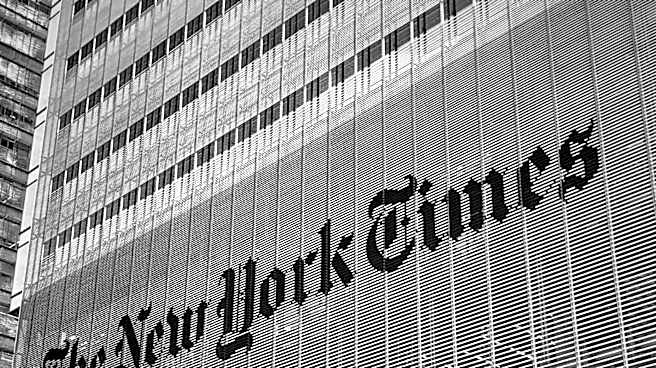
Secours Mother and Baby Home, which operated from 1925 to 1961, gained international attention in 2014 when Corless discovered 796 death certificates for children and babies who died there, but no corresponding burial records. Neeson was deeply affected by a 2017 New York Times article about Corless's journey, stating it left him in a 'quiet rage.' He expressed his desire to use his standing in the film industry to ensure more people learn about this 'atrocity' through the medium of film.
Why It's Important?
Liam Neeson's involvement in this film is significant as it leverages the power of celebrity and cinema to shed light on a historical human rights issue. The Tuam babies scandal represents a dark chapter in institutional care, highlighting systemic failures and the tragic loss of life. By bringing this story to a global audience, the film can raise awareness about the historical mistreatment of vulnerable populations and the importance of accountability. For the U.S. audience, while the event occurred internationally, it resonates with broader themes of social justice, institutional oversight, and the ethical responsibilities of care providers. It also underscores the role of investigative journalism and historical research in uncovering truths that might otherwise remain buried, potentially inspiring similar efforts to address historical injustices in other contexts.
What's Next?
The production of this film will likely generate significant public interest and discussion, both internationally and within the U.S., as it progresses. As the film moves through development and production, more details about its cast, director, and specific narrative approach will emerge. Its eventual release will undoubtedly spark renewed conversations about the Tuam scandal, potentially leading to further calls for historical reckoning, reparations, or educational initiatives. The film's impact could extend beyond mere awareness, potentially influencing policy discussions on child welfare, institutional transparency, and historical archives. It may also inspire other filmmakers to tackle similar untold stories of historical injustices, using the medium to provoke thought and drive social change.
Beyond the Headlines
The film about the Tuam babies scandal delves into profound ethical and societal questions. It highlights the long-term consequences of institutional secrecy and the vulnerability of marginalized groups, particularly unmarried mothers and their children, in past societal structures. The story forces a confrontation with uncomfortable truths about historical attitudes towards women and children, and the potential for institutions to operate without adequate oversight. Furthermore, it underscores the enduring power of individual determination, as exemplified by Catherine Corless's relentless research, in bringing hidden injustices to light. The film's narrative will likely explore themes of memory, justice, and the collective responsibility to acknowledge and learn from past wrongs, contributing to a broader cultural dialogue about historical trauma and its contemporary relevance.