








What's Happening?
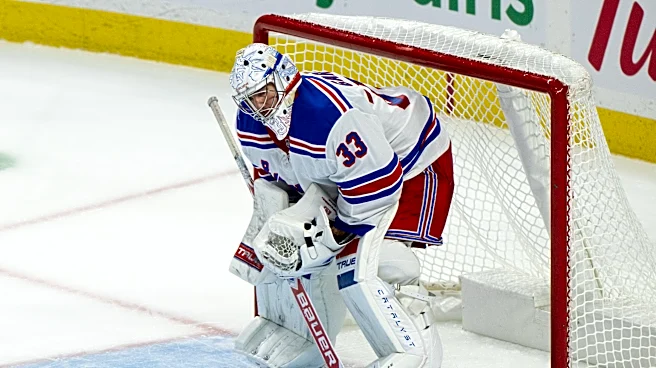
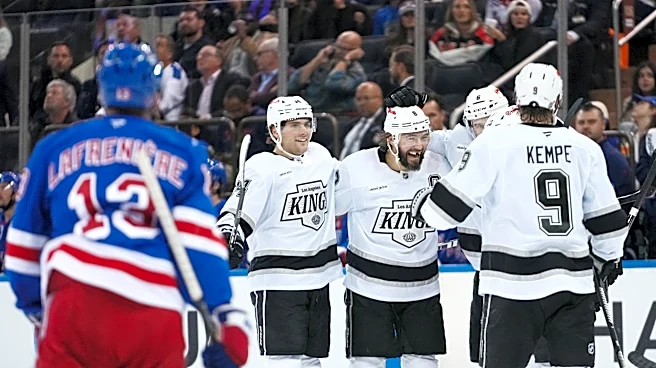
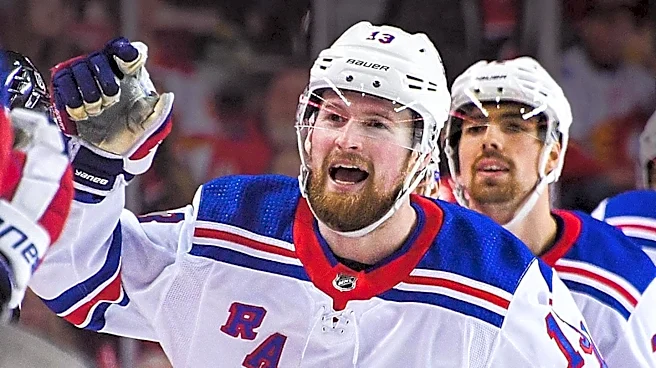
Madison Square Garden Sports has finalized the long-planned separation of its hockey and basketball assets, resulting in the New York Rangers becoming a distinct publicly traded entity under the ticker MSGR on the New York Stock Exchange. The Knicks side
of the former company is now known as MSG Knickerbockers Corp. and trades as MSGK. This spin-off, which took effect on October 26, distributed one share of the new MSG Rangers Corp. for every two shares of MSG Sports stock held by investors as of October 20. The new MSG Rangers Corp. encompasses not only the NHL club but also its AHL affiliate, the Hartford Wolf Pack, and the MSG Training Center. Despite the corporate restructuring, the Rangers will continue to play at Madison Square Garden, which is managed by a separate public company, MSG Entertainment, under an arena license agreement valid until June 30, 2055. James Dolan remains the executive chairman and chief executive of both the Rangers and Knicks companies, with the Dolan family group retaining approximately 63.4 percent of the voting power in MSG Rangers Corp. through Class B shares.
Why It's Important?
This corporate restructuring is significant for several reasons, primarily aimed at addressing a valuation gap identified by investment banks. Previously, the combined MSG Sports company was reportedly trading at roughly half the private market value of its individual teams. By separating the Rangers and Knicks into distinct entities, the goal is to unlock greater value for shareholders by allowing each franchise to be valued independently. This move provides clearer financial transparency for the hockey business, with the Rangers reporting $337.3 million in revenue for the fiscal year ending June 30, 2026, alongside an adjusted operating loss of $18.9 million. While the spin-off is intended to enhance shareholder value, the initial trading saw MSGR close with a 6.5 percent drop and MSGK fall by 20.5 percent on their first day. The continued control of James Dolan and the Dolan family over both entities, with significant voting power, ensures continuity in leadership and strategic direction, classifying the Rangers as a 'controlled company' under NYSE rules. This structure could influence future operational and financial decisions for the team.
What's Next?
Following the spin-off, the financial performance and market valuation of both MSG Rangers Corp. and MSG Knickerbockers Corp. will be closely monitored by investors and analysts. The companies do not anticipate paying cash dividends in the foreseeable future, indicating a focus on reinvestment or debt management. On the operational front, the Rangers' management will continue to make decisions regarding team personnel and strategy, now under the direct financial scrutiny of a standalone public company. Fans will have direct access to the stock price of the Rangers, potentially creating a new layer of engagement and accountability for the team's performance. The long-term success of this spin-off will depend on whether it effectively closes the valuation gap and generates increased shareholder value, as well as the sustained performance of the teams on the ice and court. The market's initial reaction suggests a period of adjustment as investors evaluate the independent prospects of each entity.
Beyond the Headlines
The spin-off of the New York Rangers into a separate publicly traded company highlights a growing trend in professional sports where team ownership groups seek to maximize asset value through corporate restructuring. This move reflects a sophisticated financial strategy to separate distinct revenue streams and operational costs, potentially attracting different types of investors interested specifically in hockey or basketball assets. The continued strong control by the Dolan family, despite the public listing, raises questions about the balance between public ownership and private control in sports franchises. While the intent is to unlock value, the initial stock performance suggests that market confidence may take time to build. This development could set a precedent for other multi-sport ownership groups considering similar separations, influencing how major sports franchises are structured and valued in the future. It also underscores the increasing financialization of professional sports, where teams are viewed not just as cultural institutions but as complex corporate assets.