
What's Happening?
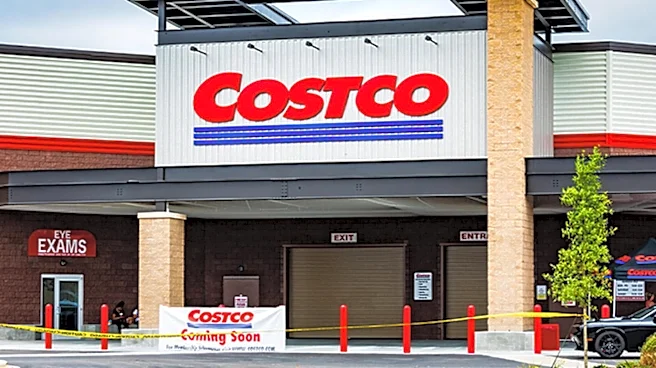
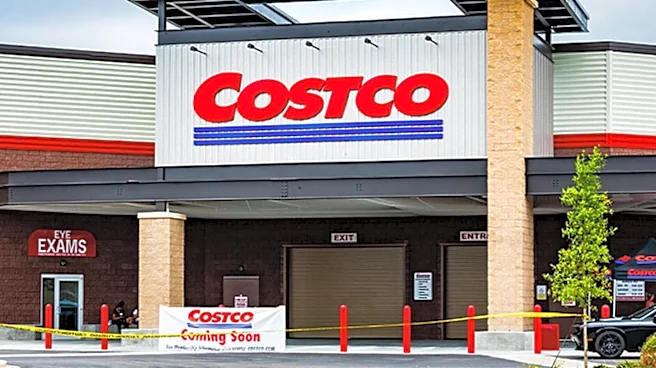
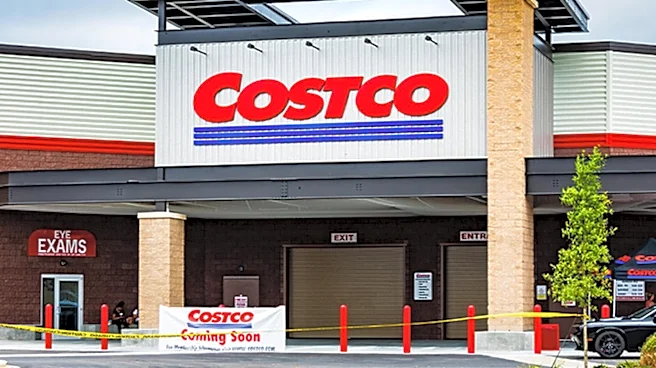
Costco Wholesale, founded in 1983 by Jim Sinegal and Jeffrey Brotman, operates on a business model that prioritizes a limited selection of products to offer competitive pricing to its members. The company's
core warehouses stock fewer than 4,000 active stock-keeping units (SKUs), a strategy designed to concentrate purchasing power, reduce inventory complexity, and enhance sales volume for each item. This approach allows Costco to negotiate lower prices from suppliers, which are then passed on to members. The company merged with Price Club in 1993, expanding its reach and solidifying its unique retail discipline. Membership fees, which are $65 for Gold Star and Business memberships and $130 for Executive memberships in the U.S., constitute a significant revenue stream, contributing $5.907 billion in fiscal year 2026. These fees grant customers access to a wide range of goods, including groceries, household items, and services like pharmacy, optical, and travel, all under the premise of value through bulk purchasing and curated selection.
Why It's Important?
Costco's business model significantly impacts the retail landscape by demonstrating the effectiveness of a curated, limited-choice inventory combined with a membership fee structure. This strategy challenges traditional retail models that often focus on extensive product variety. For consumers, it means access to lower prices on bulk goods, but also requires a willingness to accept Costco's product selections. For suppliers, securing a spot in Costco's limited inventory can lead to substantial sales volumes due to concentrated purchasing. The emphasis on quality alongside price, as stated in Costco's mission, influences consumer expectations for private-label brands like Kirkland Signature, which has become a significant part of its offering. The success of this model highlights how operational efficiency, strong supplier relationships, and a loyal membership base can drive profitability in a competitive market, influencing other retailers to consider similar strategies or adapt to this competitive pressure.
What's Next?
Costco continues to evolve its service offerings and accessibility. The company launched a nationwide U.S. DoorDash partnership in September 2026, indicating a move towards expanding its reach beyond in-store visits. This initiative aims to widen access for members, although delivery charges will remain a factor in the customer's overall value calculation. The ongoing challenge for Costco will be to maintain the perceived value of its membership in an increasingly diverse retail environment, where online shopping and specialized stores offer different conveniences. Future developments may include further integration of technology to enhance the member experience, while staying true to its core philosophy of offering quality products at low prices through a disciplined inventory approach. The company will likely continue to assess and adapt its service portfolio to ensure membership remains compelling.
Beyond the Headlines
The success of Costco's model extends beyond mere transactional benefits, fostering a unique consumer psychology. Members often develop a trust in Costco's buyers, implicitly agreeing to a curated shopping experience in exchange for perceived value. This trust is reinforced by the success of its Kirkland Signature brand, where the quality of one product can influence perceptions across diverse categories. Ethically, Costco's stated priorities of caring for members and employees, and respecting suppliers, suggest a business model that attempts to balance stakeholder interests beyond just shareholder returns. This approach could influence broader corporate responsibility discussions within the retail sector. The company's ability to thrive by offering 'fewer choices' also speaks to a potential consumer fatigue with overwhelming options, suggesting a shift in consumer preference towards curated simplicity and trusted recommendations in certain purchasing decisions.