



What's Happening?
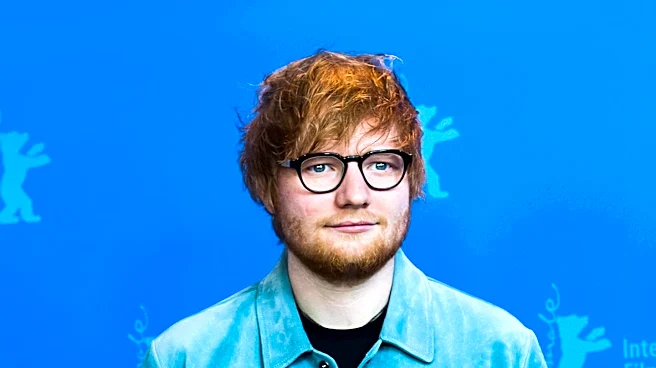
Jack Antonoff, a prominent musician and producer, has publicly criticized Ed Sheeran for his response to Macklemore being removed from Sheeran's Loop Tour. Macklemore was dropped as an opening act after making pro-Palestinian comments and performing his protest
song 'Hind's Hall' during two shows at MetLife Stadium. According to Antonoff, Sheeran 'missed a massive, beautiful opportunity' by not canceling the entire tour and instead playing for free outside venues to raise money, rather than complying with demands from a 'billionaire.' Sheeran had stated that the decision to remove Macklemore was made by his tour partners due to pressure from venue owners, including Gillette Stadium owner Robert Kraft, and that he continued the tour to avoid disappointing fans and abandoning his crew. Antonoff, a Jewish artist who has also voiced support for Palestine during his own concerts, emphasized that artists should not allow powerful promoters to dictate their actions or speech.
Why It's Important?
This incident highlights the growing tension between artistic expression, political activism, and commercial interests within the entertainment industry. Artists like Macklemore and Antonoff are using their platforms to address global political issues, specifically the Israel-Palestine conflict, which can lead to significant repercussions from powerful stakeholders such as venue owners and promoters. The controversy underscores the dilemma faced by artists who wish to remain politically engaged while navigating contractual obligations and potential financial losses. It also brings to light the perceived influence of wealthy individuals and corporations on artistic freedom and public discourse. The differing approaches of Sheeran, who prioritized fulfilling tour commitments, and Antonoff, who advocates for defiance against corporate pressure, reflect a broader debate within the music community about the role of artists in social and political movements.
What's Next?
The ongoing debate is likely to continue influencing how artists approach political statements during performances and how promoters and venues respond. Macklemore has since launched his own 'Free Palestine Tour,' donating his earnings to Palestinian aid organizations, which could inspire other artists to take similar independent actions. The public and industry will be watching to see if more artists choose to align with Antonoff's stance of prioritizing activism over commercial pressures, or if Sheeran's approach of balancing commitments will prevail. This situation may also lead to further discussions within the music industry regarding clauses in artist contracts related to political expression and the responsibilities of artists and promoters in managing such controversies. The incident could also prompt a re-evaluation of the power dynamics between artists, promoters, and venue owners.
Beyond the Headlines
This controversy delves into deeper ethical and cultural dimensions concerning freedom of speech and artistic integrity in the face of corporate influence. Antonoff's call for artists to 'stand the f*** up' against billionaires reflects a broader societal concern about the concentration of power and its potential to stifle dissenting voices. The incident also touches upon the complex and often polarizing nature of the Israel-Palestine conflict, demonstrating how it permeates various sectors, including entertainment. The differing reactions from artists and the public highlight a generational and ideological divide on how public figures should engage with sensitive political issues. It raises questions about the moral obligations of artists, particularly those with significant platforms, to use their influence for social causes, even at personal or professional cost. The situation could contribute to a long-term shift in how artists perceive their role in society and their willingness to challenge established norms.