






What's Happening?
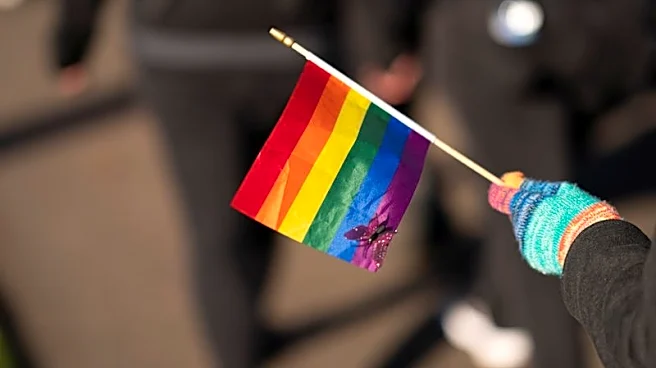
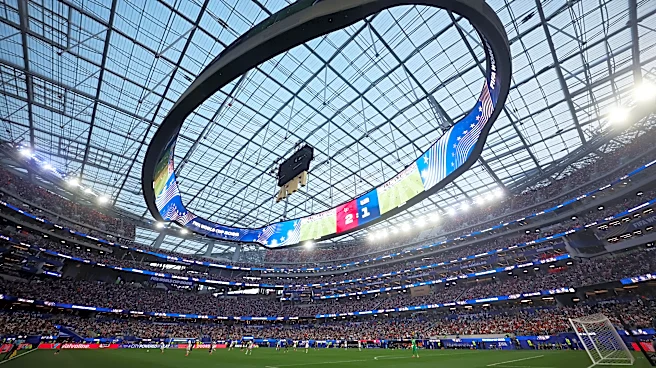
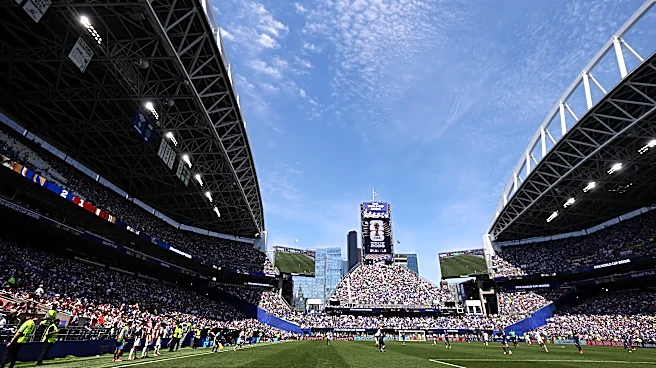
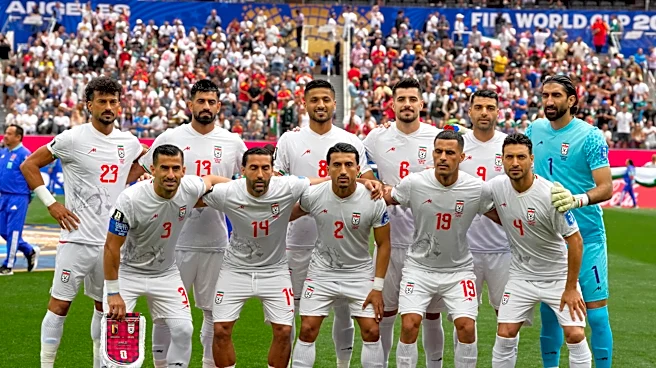
FIFA has confirmed that rainbow flags will be permitted at the World Cup match between Egypt and Iran in Seattle, which coincides with the city's annual Pride weekend. This decision comes despite objections from both teams, who have requested the cancellation
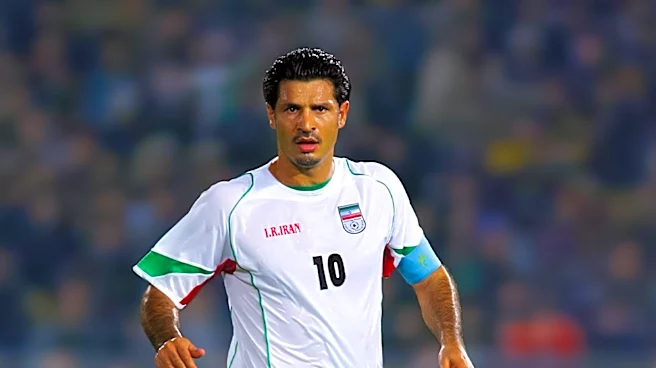
of LGBTQ+ events associated with the match. Iran's head coach, Amir Ghalenoei, emphasized that the team is focused solely on football and not on external issues. Similarly, Egypt's head coach, Hossam Hassan, reiterated their commitment to the game and adherence to FIFA's guidelines. FIFA President Gianni Infantino clarified that the Pride celebrations are organized by Seattle's local committee and are separate from the match itself. The Iranian team has expressed feeling oppressed by restrictions imposed by the U.S. administration, affecting their travel arrangements.
Why It's Important?
The allowance of rainbow flags at the match highlights ongoing tensions between cultural and human rights issues in international sports. For FIFA, this decision underscores its commitment to inclusivity and human rights, aligning with its stadium code of conduct. However, it also places the organization in a challenging position, balancing respect for host country laws and cultural norms with global human rights advocacy. The situation reflects broader societal debates on LGBTQ+ rights, particularly in countries like Iran and Egypt, where such expressions are legally and culturally contentious. This development could influence future policies and the handling of similar issues in international sporting events.
What's Next?
As the match approaches, reactions from various stakeholders, including LGBTQ+ advocacy groups and international human rights organizations, are anticipated. FIFA may face increased scrutiny regarding its policies on inclusivity and human rights. The outcome of this situation could set a precedent for how similar issues are managed in future tournaments. Additionally, the response from the Iranian and Egyptian governments, as well as their respective football federations, could impact diplomatic relations and future participation in international events.
Beyond the Headlines
This event highlights the complex intersection of sports, politics, and human rights. It raises questions about the role of international sports organizations in advocating for social change and the potential backlash from countries with differing cultural norms. The decision to allow rainbow flags could encourage more open discussions about LGBTQ+ rights in conservative regions, potentially leading to gradual cultural shifts. However, it also risks exacerbating tensions between FIFA and countries with restrictive laws on sexual orientation and gender identity.