


What's Happening?
K-pop band Cortis has initiated a campaign encouraging fans to minimize phone use during concerts to foster better interaction between artists and audiences. During their global tour, which began in Incheon, South Korea, and includes stops in New York
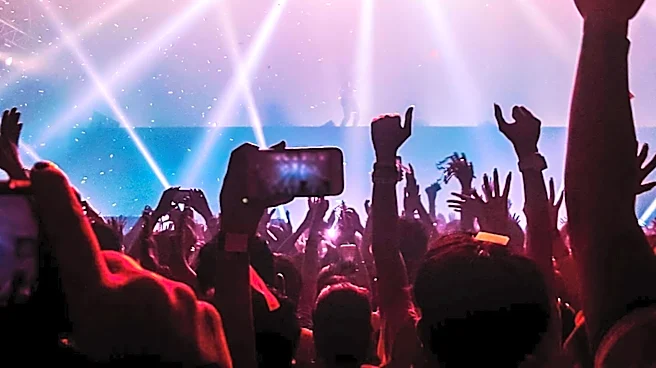
and Los Angeles, the band has repeatedly urged fans to 'put your phone down' during performances. This message is part of their broader effort to encourage fans to engage more directly with live performances rather than viewing them through phone screens. The band's approach has sparked mixed reactions among fans, with some appreciating the call for more authentic experiences, while others, who value fan-filmed content as a social currency, express frustration. Cortis's stance aligns with a growing trend among artists worldwide, including Phoebe Bridgers and Alicia Keys, who have implemented measures to limit phone use at concerts.
Why It's Important?
The initiative by Cortis highlights a significant cultural shift in how live music experiences are consumed. By advocating for reduced phone use, the band is challenging the prevalent trend of documenting concerts through personal devices, which can detract from the immediacy and intimacy of live performances. This movement could influence concert etiquette and reshape fan expectations, potentially leading to a more immersive concert experience. For the music industry, this shift could impact how artists connect with their audiences and how live performances are marketed and monetized. Fans who rely on recording concerts for personal memories or social media content may need to adjust their expectations, potentially affecting fan engagement and the spread of concert footage online.
What's Next?
As Cortis continues their tour, it will be important to observe how their message evolves and how fans respond over time. The band's approach may inspire other artists to adopt similar stances, potentially leading to broader changes in concert culture. Additionally, the music industry may explore new ways to balance the desire for live engagement with fans' inclination to document experiences. The response from fans and the industry could shape future concert policies and influence how artists design their live shows to accommodate both in-person and digital interactions.