




What's Happening?
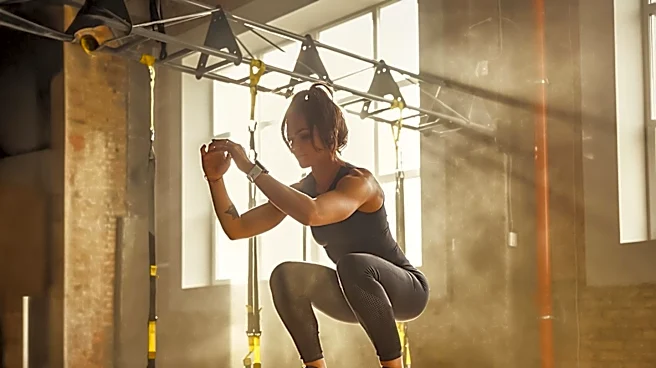
Women's Health is promoting weight training as a highly effective method for weight loss and overall fitness, challenging the traditional emphasis on cardio and calorie restriction. The publication highlights that strength training improves body composition
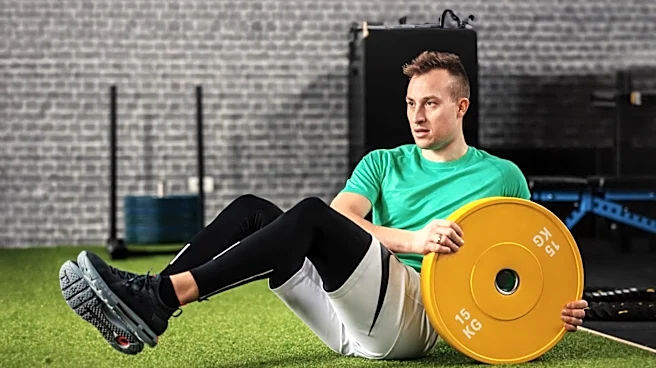
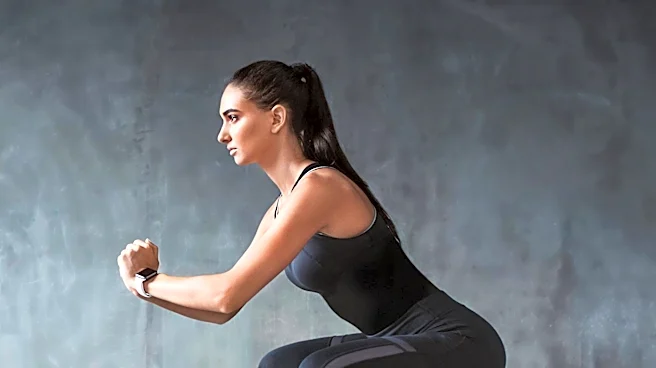
by reducing body fat and increasing lean muscle mass. Experts cited in the article, including sports dietitian Tiffany Ma, RDN, and exercise physiologist Stacy Sims, PhD, explain that weight training boosts metabolism and supports long-term weight management. Unlike cardio-heavy workouts that can spike cortisol levels, resistance training builds muscle tissue without the same stress response. The article provides a detailed three-workout plan, incorporating exercises like goblet squats, deadlifts, and Russian twists, designed to be integrated into a weekly routine alongside cardio and rest days. It also offers practical tips for beginners, such as assessing mobility, mastering basic movements, using various types of weights, and ensuring adequate protein intake.
Why It's Important?
This shift in fitness recommendations from a prominent health publication like Women's Health is significant for public health and the fitness industry in the U.S. For individuals, particularly women, it redefines effective weight loss strategies, moving away from potentially less efficient or even counterproductive methods like excessive cardio and strict dieting. This can lead to more sustainable and healthier fitness journeys, emphasizing strength and metabolic health. For the fitness industry, it underscores the growing demand for strength training programs and equipment, potentially influencing gym offerings, personal training approaches, and product development. The focus on building muscle and improving body composition rather than just scale weight can also foster a more positive body image and a healthier relationship with exercise, benefiting mental and physical well-being across society.
What's Next?
Following this advocacy, it is anticipated that more fitness programs and challenges will emerge, specifically tailored to women's strength training for weight loss. Fitness professionals may increasingly incorporate these principles into their coaching, and gyms might expand their weight training facilities and classes. There could also be a rise in demand for educational content and resources that demystify weight training for beginners, focusing on proper form and progressive overload. Furthermore, the emphasis on protein intake will likely influence dietary recommendations and the market for protein-rich foods and supplements. This trend could also lead to further research into the specific benefits of resistance training for various demographics and health conditions, solidifying its role as a cornerstone of a healthy lifestyle.
Beyond the Headlines
Beyond the immediate fitness implications, this shift reflects a broader cultural evolution in how women's bodies and strength are perceived. Historically, there has been a societal bias associating women's fitness with thinness achieved through cardio, often overlooking the benefits of muscle development. This article contributes to dismantling such stereotypes, promoting a more holistic view of health that values strength, metabolic efficiency, and body composition over mere weight on a scale. It empowers women to pursue physical strength without fear of becoming 'bulky,' fostering a more inclusive and diverse understanding of female athleticism. This cultural shift can have long-term positive impacts on self-esteem, body image, and overall empowerment for women, encouraging them to embrace diverse forms of physical activity and prioritize functional strength.