



What's Happening?
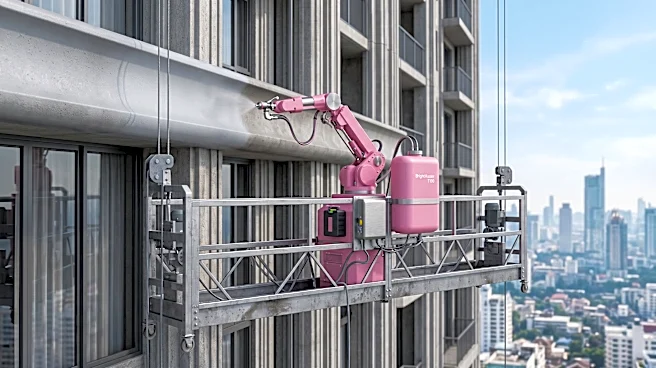
A Chinese-developed painting robot, the BrightMaster T100 from Shenzhen BrightMaster Robotics, is introducing automation to high-rise construction. This gondola-mounted machine is designed to spray-paint building exteriors up to 100 meters tall. The T100 utilizes
sensors and automated navigation systems to maneuver around architectural complexities such as balconies, curved surfaces, and corners, which typically complicate traditional manual painting. Online footage shows the pink modular robot suspended against a concrete building, applying paint with its spray arm. The system is reported to cover approximately 180 square meters per hour, achieving over 80% coverage on both flat walls and irregular features. It is designed to handle various paint types, including latex, stone coatings, and multicolor applications, and carries an 80-liter paint tank for continuous operation. Its ability to cross obstacles up to 200 millimeters allows it to navigate certain architectural elements without constant manual repositioning. The T100 is also compatible with standard suspended platforms ranging from two to four meters, suggesting integration with existing high-rise maintenance equipment.
Why It's Important?
The introduction of the BrightMaster T100 robot signifies a potential shift in high-rise construction and maintenance practices, particularly concerning worker safety and efficiency. By automating exterior painting, this technology could significantly reduce the exposure of construction workers to hazardous conditions, falls, and physically demanding labor associated with working at extreme heights. This could lead to a decrease in workplace accidents and injuries, improving overall safety standards in the construction industry. Furthermore, the robot's ability to provide consistent paint application across large building surfaces could enhance the quality and longevity of building exteriors. For U.S. construction companies, the adoption of similar automated solutions could offer competitive advantages in terms of project timelines, labor costs, and safety compliance. However, the widespread adoption of such technology will depend on factors like its real-world performance, operating costs, and adaptability to diverse building designs and regulatory environments. The development underscores a broader trend of robotics and automation transforming traditional labor-intensive sectors.
What's Next?
The future impact of the BrightMaster T100 and similar robotic painting systems will hinge on their practical performance, economic viability, and ability to adapt to various building designs. Construction companies globally, including those in the U.S., are increasingly exploring automated solutions to enhance safety, efficiency, and cost-effectiveness. The success of robots like the T100 could prompt further investment and development in construction robotics, leading to more sophisticated machines capable of performing a wider range of tasks. This could result in new industry standards for high-rise construction and maintenance, potentially influencing labor requirements and training programs for construction workers. Regulatory bodies may also need to consider new guidelines for the safe operation and integration of such autonomous systems into urban environments. The long-term implications include a potential restructuring of the construction workforce, with a greater demand for skilled technicians to operate and maintain these advanced robotic systems.
Beyond the Headlines
The emergence of advanced construction robots like the BrightMaster T100 raises significant ethical and societal questions beyond immediate operational benefits. While the technology promises to mitigate dangerous work conditions, it also introduces concerns about job displacement for human painters and maintenance workers. This shift could necessitate retraining programs and new educational pathways to equip the workforce with skills relevant to an automated construction landscape. Moreover, the reliance on automated systems for critical infrastructure maintenance could introduce new vulnerabilities, such as cybersecurity risks or system malfunctions, which would require robust safeguards. The aesthetic implications are also noteworthy; while robots can ensure consistency, the role of human craftsmanship and artistic judgment in architectural finishes might evolve. This technological advancement highlights a broader societal challenge: how to balance the benefits of automation—increased safety, efficiency, and precision—with the need to support human employment and adapt to a changing economic landscape. The integration of such robots could also influence urban planning and architectural design, as buildings might be designed with automation in mind.