






What's Happening?
Last Movie Outpost has launched a 'Great Debate' to determine the best music video of all time, inviting readers to share their opinions. The discussion highlights the creative effort some directors put into music videos beyond simple lip-syncing performances.
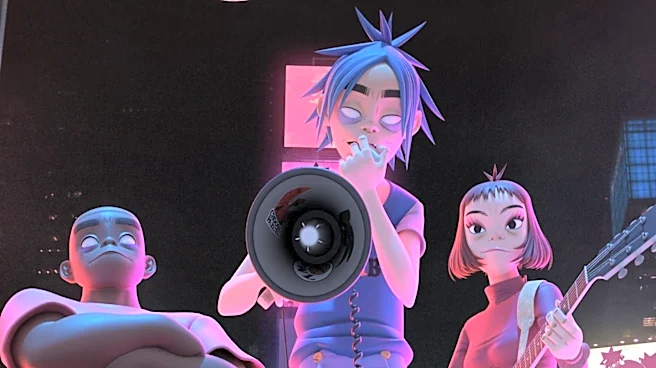
Chris Cunningham is mentioned for his work on Aphex Twin's 'Come to Daddy' and 'Rubber Johnny,' praised for his visuals, editing, and style that complement the music. The debate also brings up other notable examples, such as The Gorillaz's cartoon style in 'Clint Eastwood,' David Fincher's direction for Madonna's 'Vogue,' and Spike Jonze's old-school approach for the Beastie Boys' 'Sabotage.' The platform encourages participants to engage in a lively discussion, with a humorous warning against mentioning Rick Astley's 'Never Gonna Give You Up.'
Why It's Important?
This debate is important as it underscores the cultural significance of music videos as an art form, moving beyond their initial role as promotional tools. By highlighting directors like Chris Cunningham and their innovative approaches, it draws attention to the creative talent and technical skill involved in producing visually compelling content that enhances musical experiences. The discussion also serves as a platform for audience engagement, allowing diverse perspectives on what constitutes a 'great' music video. This type of discourse can influence how music videos are perceived and valued, potentially encouraging more artistic and experimental productions in the industry. It also reflects a broader appreciation for the intersection of music and visual storytelling, impacting both creators and consumers of media.
What's Next?
The 'Great Debate' is expected to continue as readers submit their nominations and justifications for the best music videos. This ongoing discussion could lead to a compilation of fan-favorite music videos or further analytical pieces exploring the evolution of the medium. The engagement generated by such debates often encourages similar interactive content from Last Movie Outpost or other media platforms, fostering a community around shared interests in film and music. Future discussions might delve into specific eras of music video production, the impact of technology on their creation, or the influence of music videos on broader pop culture trends. The platform may also feature follow-up articles summarizing the most popular choices or analyzing the trends observed in the submissions.
Beyond the Headlines
Beyond the immediate discussion, this debate touches upon the evolving role of visual media in music consumption. In an era dominated by streaming and visual content, music videos continue to be a crucial element in an artist's presentation and connection with their audience. The emphasis on creativity and directorial vision, as seen in the examples of Cunningham and Fincher, highlights the potential for music videos to transcend mere accompaniment and become standalone works of art. This also raises questions about intellectual property and the collaborative nature of artistic creation between musicians and visual artists. The debate implicitly acknowledges the historical impact of music videos in shaping musical genres and artist personas, influencing fashion, dance, and storytelling in popular culture.