





What's Happening?
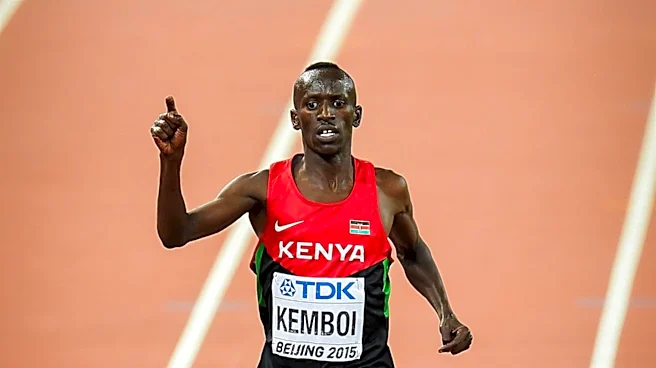
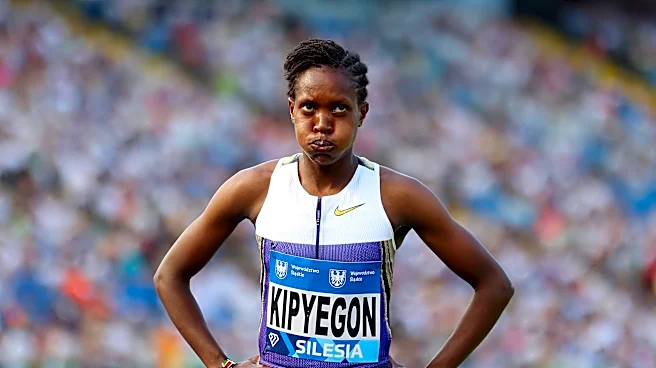
Faith Kipyegon, a Kenyan middle-distance runner, has achieved historic milestones in her career, including becoming the first woman to win both the 1500m and 5000m titles at the World Championships. Her success is part of a broader narrative of Kenyan women
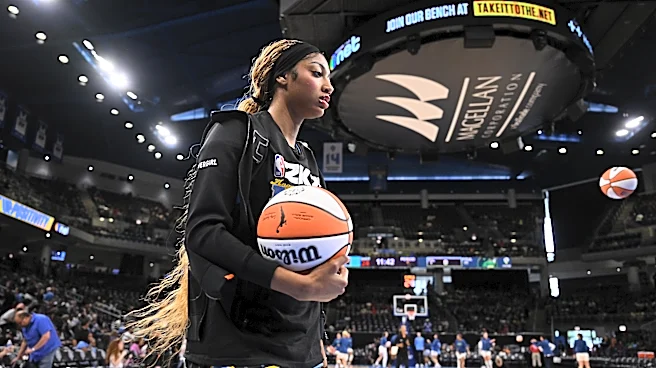
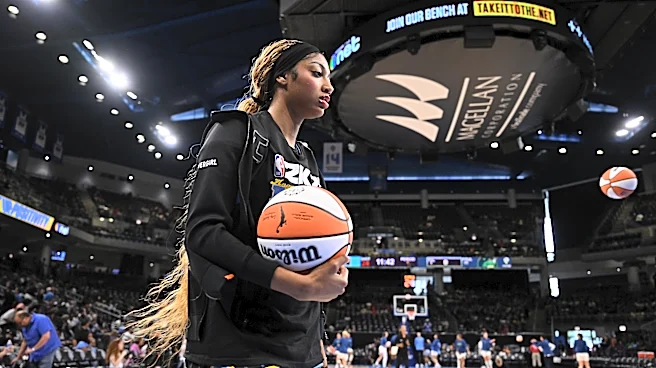
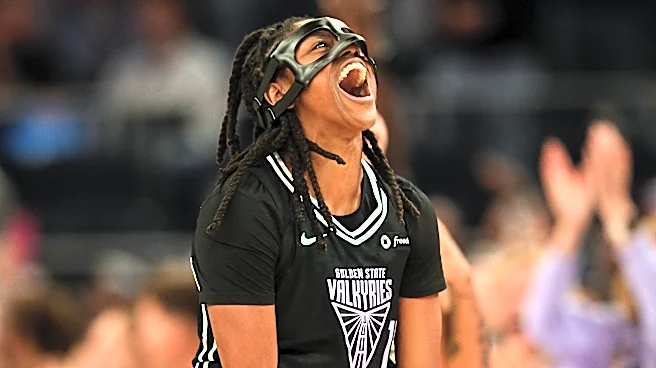
excelling in sports, with other athletes like Madina Okot making breakthroughs in the Women’s National Basketball Association (WNBA). Despite these individual achievements, a significant struggle for equal opportunities, recognition, and support persists for women in Kenyan sports. Financial challenges, gender stereotypes, safety concerns, and inconsistent media coverage are major obstacles. Many aspiring female athletes rely on personal savings and family support due to a lack of sponsorship and institutional backing. A 2025 study by Aga Khan University highlighted the prevalence of sexual and gender-based violence in East African sports, raising questions about athlete protection. Media attention often peaks during major international competitions but wanes afterward, limiting visibility and potential sponsorship opportunities.
Why It's Important?
The achievements of athletes like Faith Kipyegon are crucial as they inspire future generations and demonstrate the immense talent within Kenyan women's sports. However, the systemic issues they face underscore a broader global challenge regarding gender equality in athletics. The lack of consistent financial support and sponsorship means many talented athletes may never reach their full potential, impacting national sports development and individual careers. The prevalence of gender stereotypes limits participation and perpetuates the idea that sports are a male-dominated arena, hindering social progress. Safety concerns, particularly regarding sexual and gender-based violence, create a hostile environment that can deter women from pursuing sports, affecting their well-being and career longevity. Inconsistent media coverage not only deprives athletes of deserved recognition but also limits their marketability and ability to attract crucial endorsements, perpetuating a cycle of underfunding and underrepresentation.
What's Next?
Addressing the systemic challenges faced by Kenyan women in sports will require concerted efforts from various stakeholders. Sporting organizations need to implement robust policies for athlete protection and accountability, particularly concerning sexual and gender-based violence. Increased advocacy for equitable sponsorship and institutional support is crucial to alleviate financial burdens on athletes. Media outlets have a role to play in providing more consistent and comprehensive coverage of women's sports beyond major events, which could attract sponsors and inspire greater participation. Community-level initiatives are needed to challenge and dismantle gender stereotypes that discourage young women from engaging in sports. Furthermore, continued research and data collection, like the 2025 study, will be essential to monitor progress and identify areas requiring further intervention to ensure a more equitable and supportive environment for female athletes.
Beyond the Headlines
The struggles faced by Kenyan female athletes extend beyond immediate sporting concerns, touching upon deeper societal issues of gender inequality and economic disparity. The reliance on personal savings and family support highlights broader economic vulnerabilities for women in many developing nations, where professional opportunities may be limited. The persistence of gender stereotypes in sports reflects ingrained cultural biases that often undervalue women's contributions and capabilities. Addressing these issues in sports can serve as a microcosm for broader societal change, promoting gender equality and empowering women in other spheres of life. Furthermore, the discussion around athlete safety, particularly concerning gender-based violence, underscores the critical need for comprehensive safeguarding policies across all sectors, emphasizing the responsibility of institutions to protect vulnerable individuals. The long-term impact of these challenges could lead to a significant loss of talent and potential, not just in sports but in national development as a whole.