






What's Happening?
The European Commission has approved the acquisition of Electronic Arts (EA) by Saudi Arabia's Public Investment Fund (PIF), a deal valued at $55 billion. This decision was made under the EU Merger Regulation, with the Commission concluding that the transaction
would not significantly impact competition in the markets where the companies operate. Unlike the complex approval process for Microsoft's acquisition of Activision Blizzard, this deal is a straightforward transfer of ownership, taking EA private. However, the acquisition involves EA assuming $20 billion in debt to finance the deal. Despite the European Commission's approval, the acquisition faces scrutiny from game developers and U.S. lawmakers, who have expressed concerns and urged the U.S. Federal Trade Commission (FTC) to examine the deal closely.
Why It's Important?
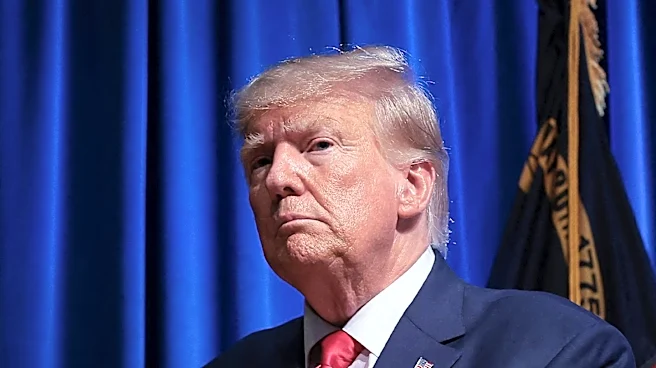
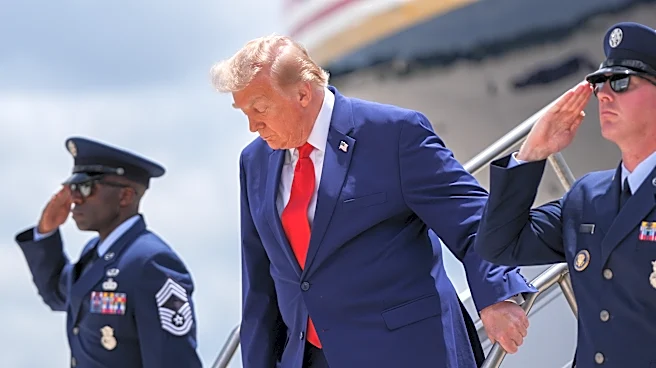
The approval of this acquisition by the European Commission is significant as it marks a major shift in the ownership of a leading U.S. gaming company. The deal highlights the growing influence of Saudi Arabia's Public Investment Fund in the global gaming industry. The acquisition could have implications for the competitive landscape of the gaming market, potentially affecting game development and distribution. Additionally, the involvement of high-profile political figures, such as President Trump and his son-in-law Jared Kushner, who have ties to Saudi Arabia, adds a layer of political complexity to the transaction. The deal's approval could set a precedent for future international acquisitions involving major U.S. companies.
What's Next?
The acquisition still faces potential hurdles in the United States, where the FTC has been urged to scrutinize the deal. The outcome of this scrutiny could influence the finalization of the acquisition. If the FTC decides to investigate, it could delay or alter the terms of the deal. Additionally, the gaming community and industry stakeholders may react to the acquisition, potentially influencing public perception and market dynamics. The financial implications of the $20 billion debt EA will assume could also impact the company's operations and strategic decisions moving forward.