






What's Happening?
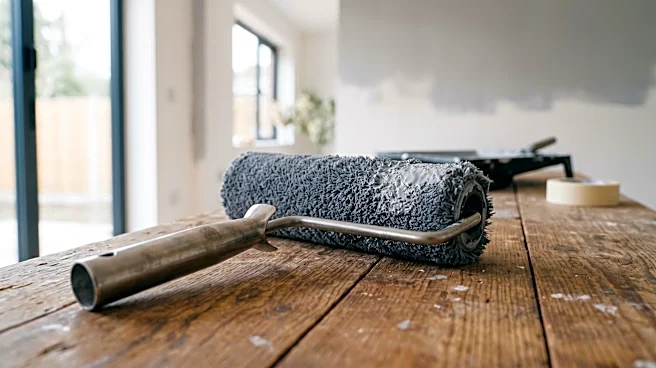
Choosing the correct paint roller is a critical factor in achieving a professional finish, according to Chris Berry, also known as The Idaho Painter. Many painters mistakenly believe all rollers are the same, but the roller cover significantly impacts
paint coverage, application speed, surface texture, and overall finish quality. Berry emphasizes that the roller's nap size, which refers to the length of its fibers, determines how much paint it holds, its ability to reach textured surfaces, and the amount of texture it leaves behind. Short nap rollers are best for smooth surfaces, medium nap for most interior walls, and long nap for textured walls and rough surfaces. Using the wrong nap can lead to poor coverage, excessive stipple, and splattering. Foam rollers, while inexpensive, are rarely a top choice for professional projects due to potential bubbling and lower paint retention compared to woven or microfiber rollers.
Why It's Important?
The selection of appropriate painting tools, particularly paint rollers, has significant implications for both professional painters and DIY enthusiasts in the U.S. economy. For businesses in the painting industry, using the correct roller can directly impact project efficiency, client satisfaction, and ultimately, profitability. Poor tool choices can lead to costly reworks, increased labor time, and a damaged reputation. For homeowners, understanding roller types can prevent frustrating results and wasted money on materials and time. The advice from experts like Chris Berry helps elevate industry standards by promoting informed decision-making, which in turn supports manufacturers of quality painting supplies. This focus on proper technique and equipment also contributes to a more skilled workforce and a higher standard of finished work across the country, benefiting both consumers and the painting services market.
What's Next?
The emphasis on proper paint roller selection suggests a continued need for education and training within the painting industry and for consumers. Manufacturers of painting supplies may respond by providing clearer guidance on product usage and benefits, potentially through enhanced packaging or online resources. Retailers could also play a role by offering more informed assistance to customers in choosing the right tools for their specific projects. For professional painters, ongoing training and adherence to best practices, as highlighted by experts, will remain crucial for maintaining competitive advantage and delivering high-quality results. This trend towards informed tool selection is likely to drive demand for specialized, high-quality rollers over generic, cheaper alternatives, influencing product development and market offerings in the future.
Beyond the Headlines
Beyond the immediate practicalities of painting, the detailed guidance on roller selection touches upon broader themes of craftsmanship and the value of specialized knowledge in a consumer-driven society. In an era where DIY culture is prevalent, the distinction between professional-grade tools and techniques versus amateur approaches becomes increasingly important. This expert advice underscores that even seemingly simple tasks like painting require a nuanced understanding of materials and methods to achieve optimal results. It highlights the ethical responsibility of manufacturers to produce quality tools and for educators to disseminate accurate information, ensuring that consumers and professionals alike can make informed choices. This focus on quality and expertise can foster a greater appreciation for skilled trades and the tangible benefits of investing in appropriate tools and knowledge.