


What's Happening?
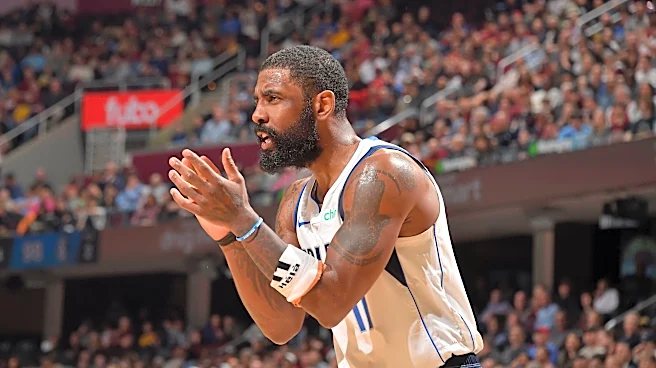
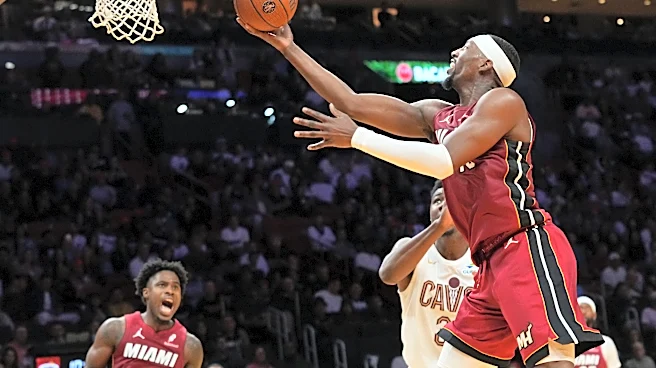
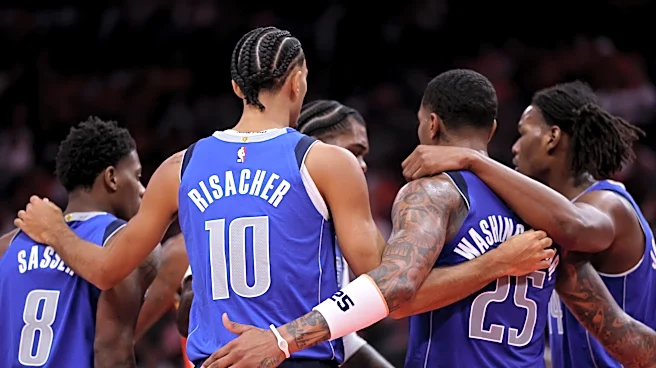
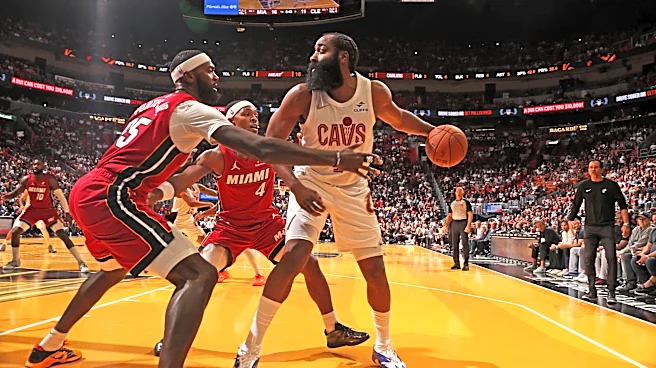
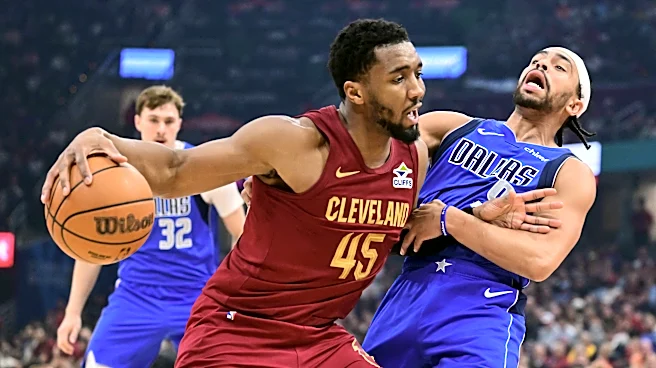
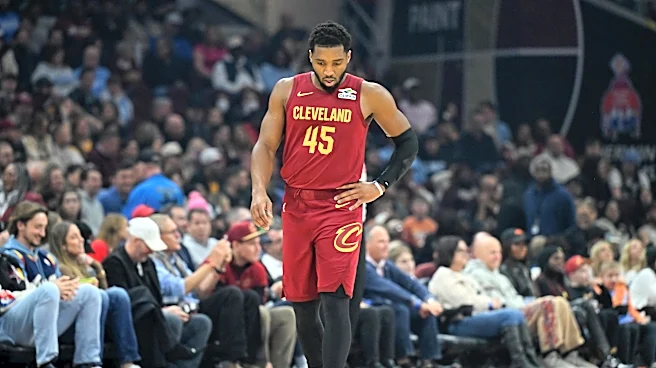
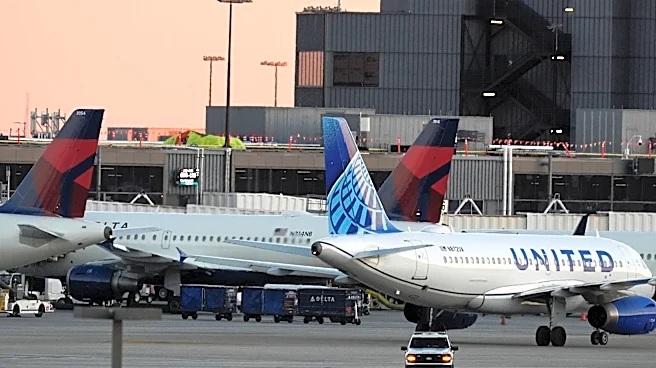
Cleveland Cavaliers guard Donovan Mitchell has publicly stated his belief that Saturday's game against the Dallas Mavericks should be postponed. This stance comes after a nationwide FAA ground stop on Friday significantly disrupted air travel, including
the Cavaliers' return flight from Miami. The team, which played in Miami on Friday night, was unable to fly out as scheduled. Instead of their usual immediate departure, the Cavaliers had to arrange a new pilot and were scheduled to depart Miami at 9 a.m. ET on Saturday, less than 12 hours before their 7:30 p.m. ET game in Cleveland. Mitchell described the situation as 'unprecedented' and expressed his desire for the game to be canceled, or more accurately, postponed, due to the unusual and challenging travel circumstances faced by the team.
Why It's Important?
This situation highlights the significant impact that unforeseen external events, such as an FAA ground stop, can have on professional sports leagues and their schedules. For the NBA, maintaining a rigorous game schedule is crucial for broadcast commitments, arena availability, and player performance. Disruptions like this can lead to player fatigue, potentially affecting game quality and increasing the risk of injuries. From a competitive standpoint, the Cavaliers would be at a disadvantage playing a back-to-back game after an arduous travel day, which could influence the outcome of the game. This event also underscores the logistical complexities involved in managing professional sports teams' travel and the potential for player advocacy to influence league decisions regarding game scheduling and player welfare.
What's Next?
Despite Donovan Mitchell's call for postponement, the game between the Cleveland Cavaliers and the Dallas Mavericks is currently scheduled to proceed as planned for Saturday night. It remains to be seen if the NBA will consider Mitchell's comments or the team's travel difficulties in any future scheduling decisions or if any adjustments will be made closer to game time. The focus will likely shift to how the Cavaliers perform on the court, with observers keen to see if their unusual travel sequence visibly impacts their play. This event could also prompt discussions within the league about contingency plans for similar widespread travel disruptions in the future, potentially leading to revised protocols for game postponements under such circumstances.
Beyond the Headlines
The incident with the Cavaliers and the FAA ground stop touches upon broader issues concerning player welfare and the demands of professional sports. While NBA players enjoy comfortable travel, the relentless schedule, especially with back-to-back games, can be physically taxing. Unforeseen travel delays exacerbate these challenges, raising questions about the balance between league scheduling demands and player health and readiness. This event could fuel ongoing conversations about the NBA's collective bargaining agreement, particularly clauses related to travel, rest, and game postponements in extraordinary circumstances. It also subtly highlights the interconnectedness of various national systems, where a disruption in air traffic control can directly affect a major sports league's operations and its athletes.