






What's Happening?
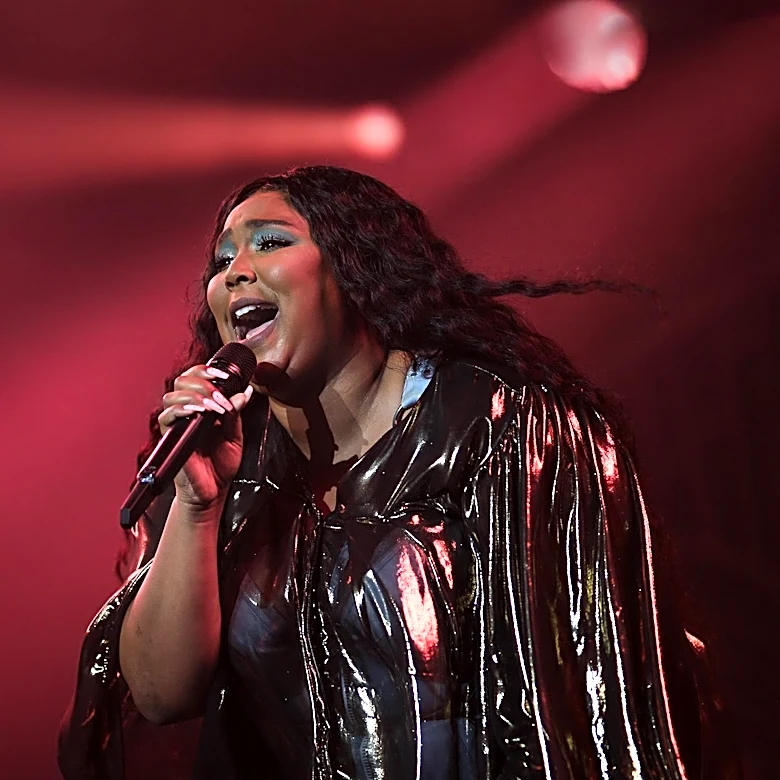
Angolan-Portuguese rapper and singer IAMDDB has publicly responded to the Israeli government's use of an AI-generated propaganda video that featured images resembling her without her consent. The video, which included an AI singer rapping a song titled
'Jews From Judea (We Did),' was shared on social media by the Israeli government but has since been deleted. IAMDDB stated to Rolling Stone that the exploitation of Black artists, particularly Black women, is not new and raised concerns about how AI facilitates these patterns. She emphasized the lack of meaningful AI regulation and protection for artists' rights, highlighting that their image, voice, and identity are their livelihood. The artist plans to donate a portion of the proceeds from her upcoming shows to charitable organizations supporting causes close to her heart.
Why It's Important?
This incident underscores critical issues surrounding artificial intelligence, intellectual property rights, and ethical considerations in digital content creation. The unauthorized use of an artist's likeness for political propaganda, especially without consent, raises serious questions about digital identity theft and the potential for AI to be weaponized for misinformation. For artists, it highlights the urgent need for robust legal frameworks and technological safeguards to protect their creative work and personal brand in the age of AI. The situation also brings to light the broader implications of AI in international relations and propaganda, where fabricated content can be used to influence public opinion and spread narratives without accountability. This event could catalyze discussions on global AI governance and the rights of individuals in the digital sphere.
What's Next?
IAMDDB's response and her commitment to donating proceeds to charity indicate her intention to turn this negative experience into a positive impact. The incident is likely to fuel ongoing debates about AI ethics and intellectual property law, potentially leading to calls for stricter regulations on AI-generated content, particularly when it involves public figures. Legal experts and artist advocacy groups may use this case as a precedent to push for stronger protections against unauthorized AI replication. The Israeli government's deletion of the posts suggests an acknowledgment of the controversy, but the broader implications for how governments and other entities use AI in public messaging remain to be seen. This event could also encourage tech companies to develop more transparent and consent-based AI tools.
Beyond the Headlines
Beyond the immediate legal and ethical concerns, this incident touches upon deeper societal issues of representation, cultural appropriation, and the weaponization of technology. The use of a Black artist's image, even if AI-generated, for a political message without consent, evokes historical patterns of exploitation and raises questions about who controls narratives and images in the digital age. It highlights the vulnerability of individuals, particularly those from marginalized communities, to digital manipulation and the potential for AI to perpetuate existing biases and power imbalances. The case also serves as a stark reminder of the blurred lines between reality and artificiality in online content, challenging audiences to critically evaluate the authenticity of information they encounter. This event could contribute to a broader cultural conversation about digital citizenship, media literacy, and the responsible development and deployment of AI.