


What's Happening?
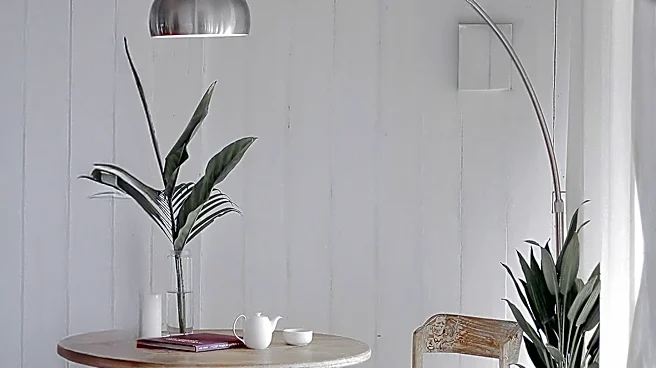
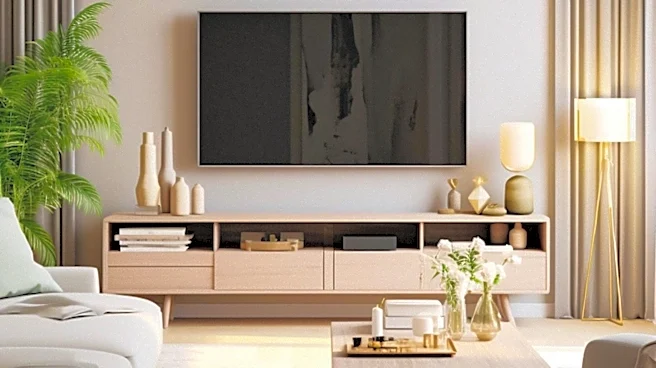
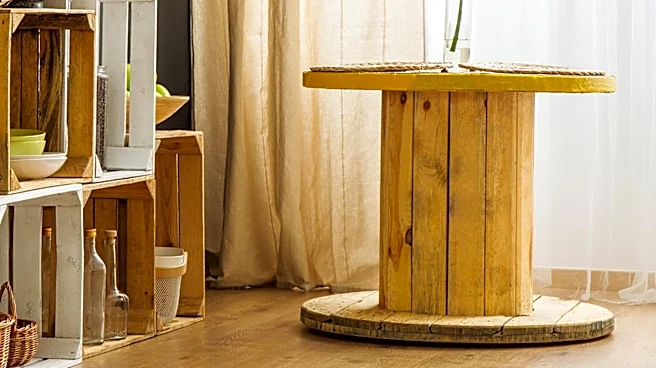
Nordic interior design is increasingly focusing on sustainability, with a strong emphasis on upcycled and vintage furniture. This trend is driven by a cultural appreciation for character and sustainability, as seen in the popularity of thrifting and second-hand
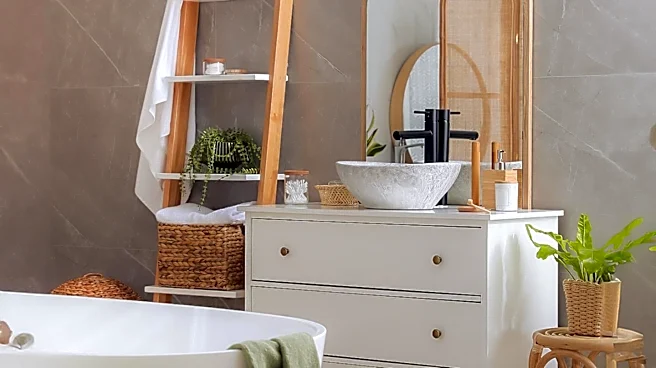
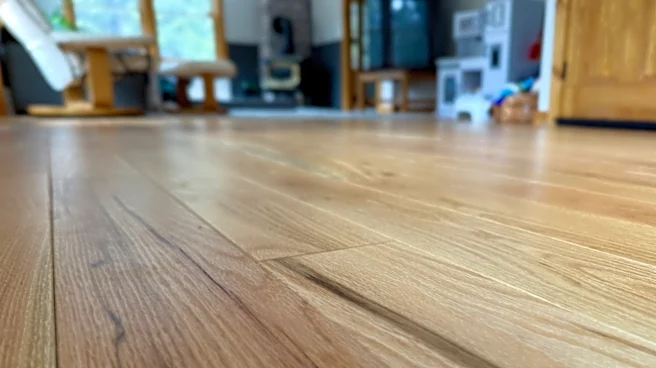
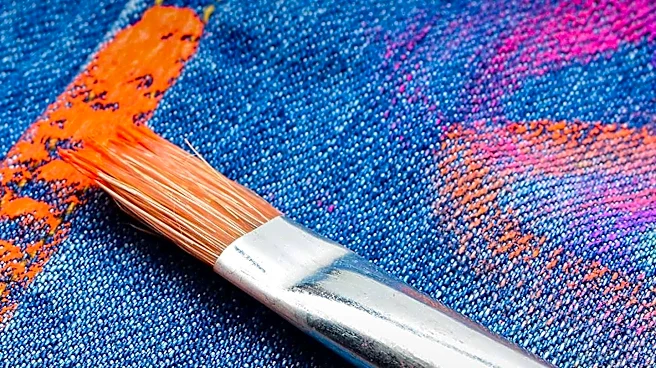
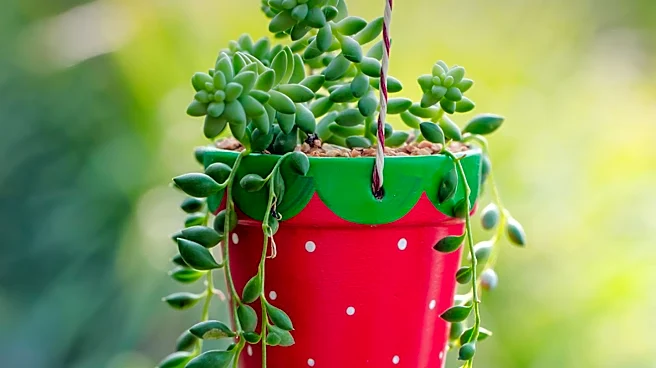
shopping across Nordic countries. Upcycling these finds with eco-friendly paints and finishes is becoming common, contributing to significant carbon emission savings. The design philosophy in the region prioritizes quality, nature, and longevity, encouraging the use of reclaimed wood, biophilic elements, and slow furniture that is handmade and designed to last.
Why It's Important?
The shift towards sustainable interior design in the Nordics reflects a broader global movement towards eco-conscious living. By prioritizing materials that are renewable and durable, this trend not only reduces environmental impact but also promotes a lifestyle that values quality over quantity. This approach can lead to long-term cost savings for consumers and supports a circular economy. As more people adopt these principles, it could drive demand for sustainable products and influence design practices worldwide, encouraging industries to innovate in eco-friendly materials and production methods.
What's Next?
As sustainable design gains traction, more consumers and designers may seek out eco-friendly materials and practices. This could lead to increased availability and affordability of sustainable furniture and decor. Additionally, the trend may inspire further innovation in material science and design, as companies strive to meet the growing demand for sustainable products. The emphasis on sustainability in Nordic design could also influence global design trends, encouraging a shift towards more environmentally responsible practices in the interior design industry.