







What's Happening?
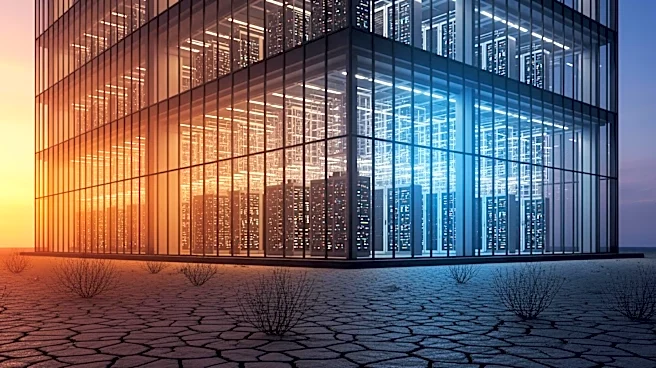
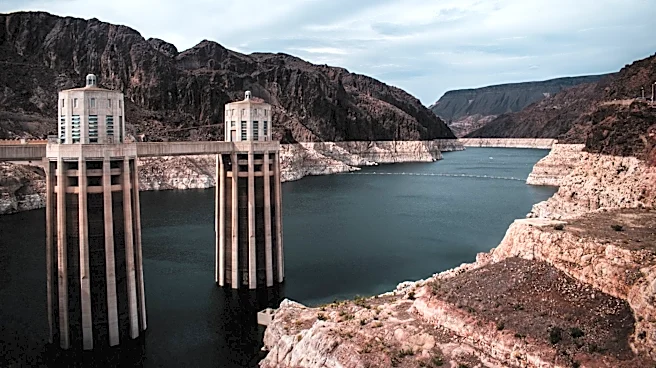
Arizona is emerging as a critical test case for the challenges posed by the rapid expansion of AI-driven data centers, which demand significant energy and water resources. The state's desert environment exacerbates these challenges, as data centers require
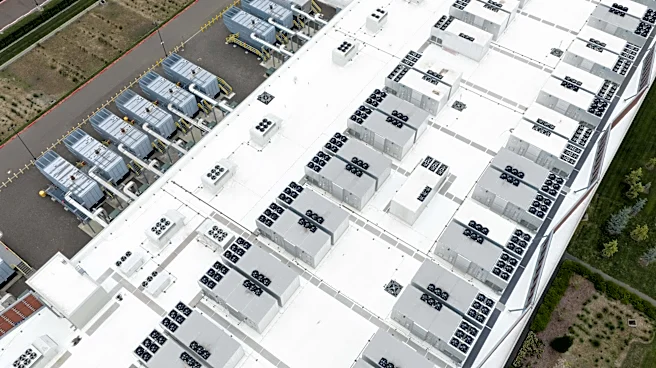
cooling systems that can strain local water supplies. Google, for instance, has opted for air-cooled technologies at its Arizona data center to mitigate water usage. The Federal Energy Regulatory Commission is considering new rules to expedite data center connections to the grid, potentially shifting more costs to developers. Arizona has paused certain tax incentives for data centers to reassess their environmental impact.
Why It's Important?
The development of data centers in Arizona reflects broader national trends in technology infrastructure growth, which can have significant environmental and economic impacts. The state's decision to pause tax incentives highlights the tension between economic development and environmental sustainability. As data centers proliferate, they could drive up energy costs and strain water resources, affecting local communities. The outcome of regulatory decisions will influence how costs are distributed and could set precedents for other states facing similar challenges.
What's Next?
Arizona's pause on tax incentives provides a window for evaluating the long-term sustainability of data center growth. The Federal Energy Regulatory Commission's upcoming decisions could reshape how data centers are integrated into the national grid, potentially influencing future infrastructure projects. Stakeholders, including tech companies, regulators, and environmental groups, will likely engage in discussions to balance economic growth with resource conservation. The state's approach may serve as a model for other regions grappling with similar issues.