







What's Happening?
The U.S. Labor Department's Consumer Price Index (CPI) data for June 2026 indicates a significant drop in inflation to 3.5%, down from 4.2% in May. This decrease is primarily attributed to a sharp decline in energy prices, which fell by 5.7% in June,
marking the largest one-month drop in over six years. The decline in energy prices was influenced by a temporary ceasefire between the U.S. and Iran, which led to lower global oil prices. Despite this, hostilities have resumed, potentially affecting future trends. Core inflation, excluding food and energy, remained stable at 2.6% year-over-year. The drop in inflation has led to a decrease in the 10-year Treasury yield, closely linked to mortgage rates, which fell by about 6 basis points. This development has reduced the likelihood of a Federal Reserve rate hike in July, with the odds dropping from 47% to 17% following the CPI release.
Why It's Important?
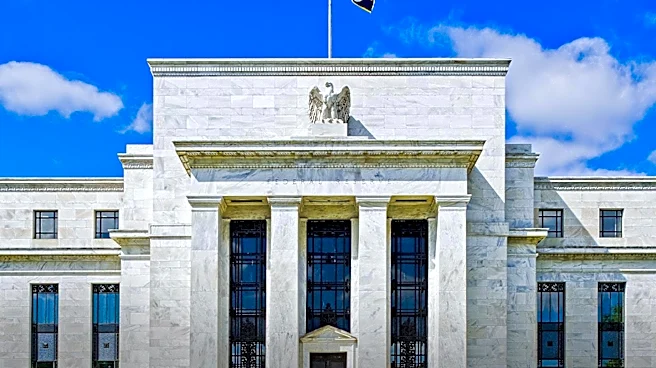
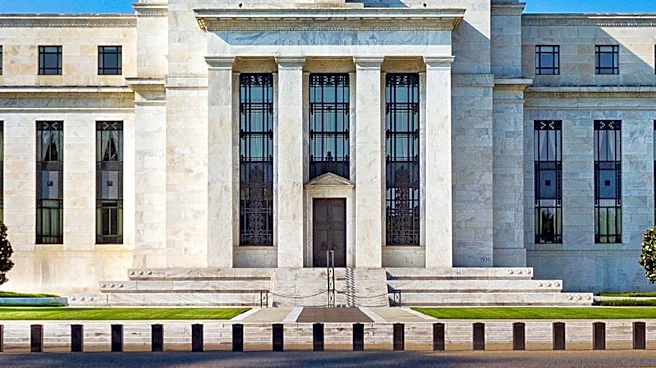
The decline in inflation is significant for both the Federal Reserve and consumers, particularly homebuyers. Lower inflation reduces upward pressure on mortgage rates, which have been hovering around 6.5% for the past two months. This could provide some relief to the housing market, especially as it enters the late-summer buying season. However, the Federal Reserve remains cautious, as a single month's data does not establish a trend. Policymakers, including Federal Reserve Governor Christopher Waller, emphasize the need for sustained cooler readings before concluding that elevated inflation is behind. The situation remains fluid, with energy prices historically volatile and geopolitical tensions potentially impacting future inflation trends.
What's Next?
The Federal Reserve is likely to maintain a cautious approach, monitoring upcoming inflation data closely. The durability of the current relief in inflation will depend on whether core inflation continues to cool in the coming months. The fragile ceasefire in the Middle East and the inherent volatility of energy prices could influence future inflation rates. The Federal Open Market Committee (FOMC) may pause rate hikes if inflation remains subdued, but any resurgence in energy prices or geopolitical tensions could alter this stance. Consumers and the housing market will be watching these developments closely, as they could impact mortgage rates and economic stability.