






What's Happening?
ExxonMobil is significantly expanding its use of Helmerich & Payne, Inc.'s (H&P) FlexRobotics® technology across its drilling operations. This expansion follows the successful deployment of the initial two FlexRobotics® systems. Over the next 12 months,
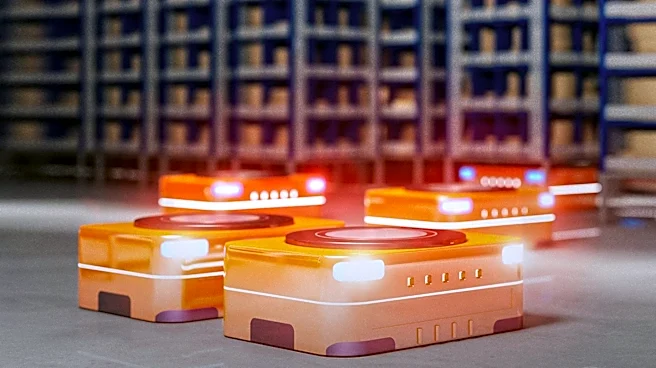
H&P anticipates deploying an additional seven systems for ExxonMobil, bringing the total number of operational systems to nine. This move is part of ExxonMobil's broader strategy to integrate advanced technologies to improve safety, operational performance, and drilling automation. The FlexRobotics® technology is designed to automate repetitive tasks on the rig floor, thereby reducing the exposure of personnel to high-risk activities while simultaneously enhancing consistency, precision, and overall operational efficiency in drilling.
Why It's Important?
This expanded deployment is important for the U.S. energy industry as it signifies a growing trend towards automation in drilling operations, driven by major players like ExxonMobil. The adoption of FlexRobotics® technology directly addresses critical industry challenges, including worker safety and operational efficiency. By automating hazardous and repetitive tasks, the technology aims to reduce incidents and injuries on rig floors, a significant concern in the oil and gas sector. Furthermore, increased precision and consistency in drilling can lead to optimized resource extraction, reduced operational costs, and a more predictable production schedule. This collaboration between ExxonMobil and H&P could set a precedent for other companies in the sector, accelerating the integration of robotics and automation to create safer and more productive work environments.
What's Next?
Over the next year, H&P is scheduled to deploy seven more FlexRobotics® systems for ExxonMobil, increasing the total to nine. This phased implementation will likely involve further integration and optimization of the technology within ExxonMobil's existing drilling infrastructure. The success of these additional deployments could lead to even wider adoption of FlexRobotics® or similar automation solutions across ExxonMobil's global operations and potentially influence other major energy companies to invest more heavily in drilling automation. Continued collaboration between technology providers like H&P and energy giants like ExxonMobil is expected to drive further innovations in drilling safety and efficiency, potentially leading to new industry standards and practices.
Beyond the Headlines
The deeper implications of this technological expansion extend beyond immediate operational benefits. The increasing automation of drilling tasks could lead to a shift in the workforce requirements within the oil and gas industry, emphasizing roles that involve monitoring, maintenance, and advanced technical skills rather than manual labor. This could necessitate new training programs and educational pathways to prepare the future workforce. Ethically, the reduction of human exposure to dangerous tasks is a significant positive, but it also raises questions about job displacement and the need for reskilling initiatives. Culturally, the industry may evolve towards a more technology-centric identity, moving away from its traditional image of heavy manual labor. This trend could also enhance the industry's appeal to a new generation of tech-savvy professionals.