



What's Happening?
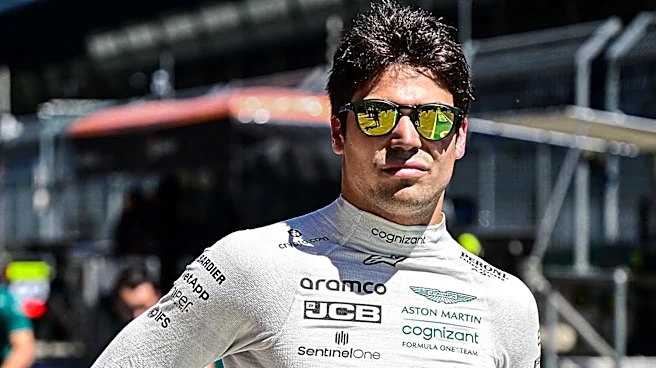
Honda is conducting a major investigation into recurring battery problems affecting Lance Stroll's Aston Martin Formula 1 car. Stroll was forced to retire from the Brazilian Grand Prix due to a battery issue, marking his 14th DNF (Did Not Finish) of the season.
This follows similar battery-related retirements in previous races, including Mexico. Shintaro Orihara, Honda's chief engineer, stated that while they know what happened, the root cause of the battery failures remains unknown. The investigation is expected to take several weeks to identify the underlying problem. The primary focus of this inquiry is to prevent these issues from carrying over into the F1 2027 season, which will operate under new regulations. Honda CEO Toshihiro Mibe was present at the Brazilian Grand Prix, observing the team's performance and the technical difficulties encountered.
Why It's Important?
This investigation is crucial for Honda and Aston Martin as they prepare for the significant regulation changes in F1 2027. Persistent reliability issues, particularly with critical components like the battery, can severely impact a team's performance and championship aspirations. For Honda, a leading engine supplier, resolving these technical glitches is vital for maintaining its reputation and ensuring its power units are competitive and reliable under future regulations. For Aston Martin, consistent DNFs due to power unit problems undermine their ability to score points and develop their car effectively. The presence of Honda's CEO at the race underscores the seriousness with which the manufacturer views these issues, indicating a high-level commitment to finding a solution. Failure to address these problems could lead to a competitive disadvantage for both Honda and Aston Martin in the upcoming seasons.
What's Next?
Honda engineers will meticulously analyze data from Stroll's car and physically inspect the problematic batteries over the next few weeks to pinpoint the root cause of the failures. The findings from this investigation will directly inform the development of their power units for the 2027 season, aiming to implement countermeasures to prevent recurrence. Aston Martin will be closely collaborating with Honda, providing feedback and integrating any necessary changes into their car design. The outcome of this investigation will influence strategic decisions for both entities regarding their technical partnership and future development paths. Stakeholders, including fans and competitors, will be watching to see if Honda can resolve these persistent reliability concerns before the new regulatory era begins.
Beyond the Headlines
The recurring battery issues highlight the complex interplay between cutting-edge technology and extreme performance demands in Formula 1. Modern F1 power units are highly sophisticated hybrid systems, where battery performance and reliability are paramount. These failures could point to deeper challenges in battery management, thermal control, or integration within the overall power unit architecture. The investigation's findings might not only impact Honda's F1 program but could also yield insights applicable to broader automotive electrification efforts. Furthermore, the situation underscores the pressure on manufacturers to deliver flawless performance under intense scrutiny, where even minor technical glitches can have significant sporting and financial consequences. The long-term implications could influence how F1 teams and manufacturers approach component design and testing in an increasingly electrified motorsport landscape.