







What's Happening?
Manchester United is gearing up for a demanding start to the new Premier League season, which includes matches against newly promoted teams Hull City and Ipswich Town. The team's schedule is further complicated by the Champions League, with the first
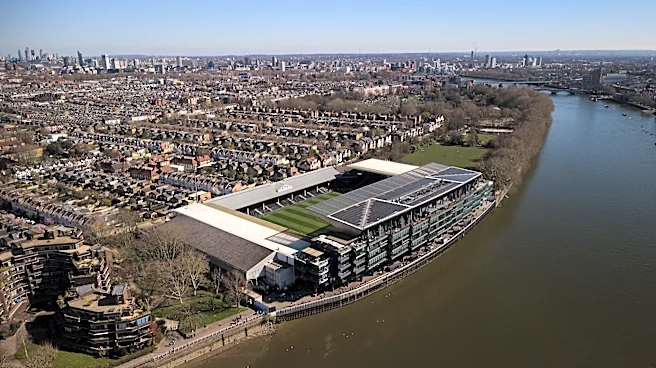
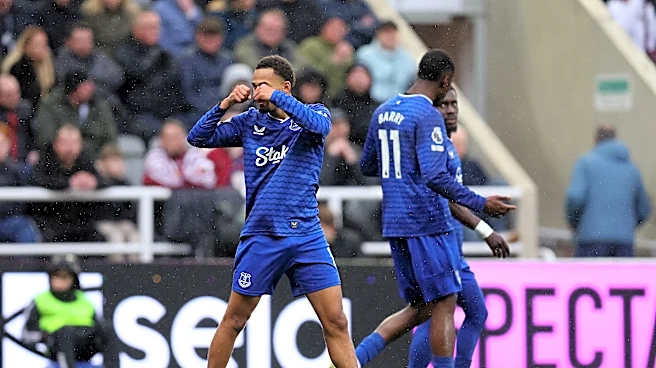
game scheduled between a trip to Everton and a Manchester derby at Old Trafford. The team will also face challenging league matches against Chelsea and Aston Villa, followed by a trip to Liverpool. The September and October international breaks have been combined, leaving a gap in the schedule between games against Fulham and Tottenham.
Why It's Important?
The intense schedule presents both opportunities and challenges for Manchester United. Success in early matches could build momentum and confidence, crucial for a strong season performance. However, the packed schedule could lead to player fatigue and injuries, impacting the team's ability to compete at the highest level. The team's management will need to strategically rotate players to maintain performance across competitions. The outcomes of these matches will also influence the team's standing in both the Premier League and Champions League, affecting their chances of securing titles.
What's Next?
Manchester United will need to navigate their schedule carefully, balancing player workload and performance. The team's management will likely focus on strategic player rotations and injury prevention. Fans and analysts will be watching closely to see how the team handles the pressure of competing on multiple fronts. The results of these early matches will be critical in setting the tone for the rest of the season and could influence future decisions regarding player transfers and managerial strategies.