






What's Happening?
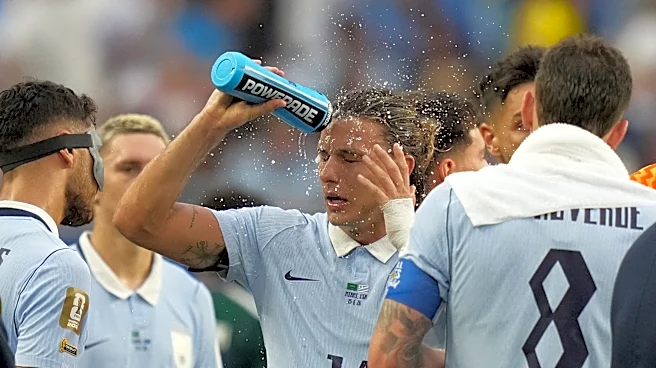
During the U.S. vs. Australia World Cup match, fans expressed their displeasure with the implementation of 'hydration breaks' by booing when the whistle blew for these pauses. These breaks, introduced during the tournament, are reportedly designed to allow
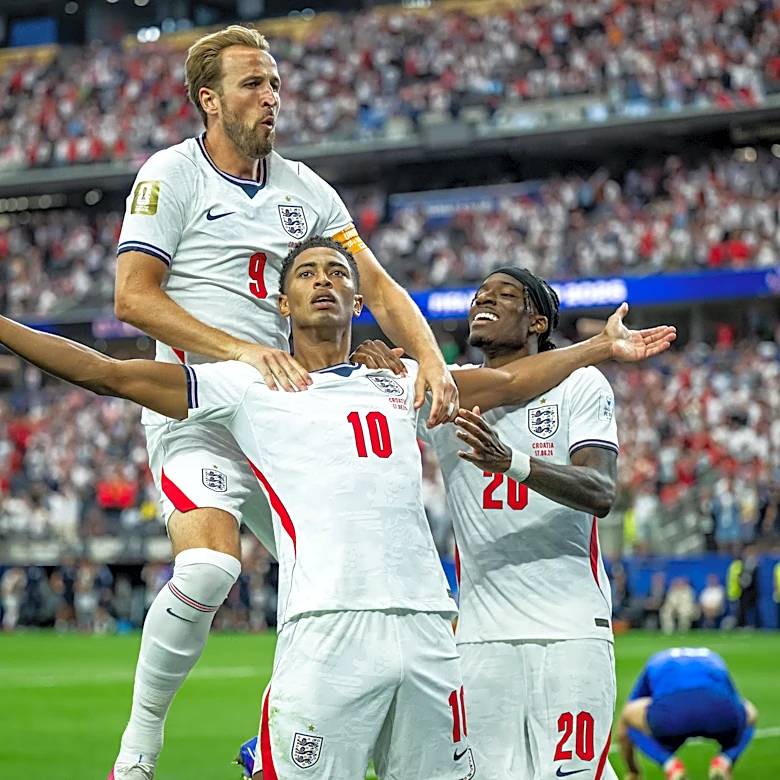
the broadcasting network, Fox, to air commercials, generating significant revenue. Fox is expected to earn $250 million from these breaks, which helps offset the $485 million rights fee for the 104-match tournament. Despite the financial benefits, fans have been vocal about their dissatisfaction, as seen in various matches, including Croatia vs. England in Dallas, Ghana vs. Panama in Toronto, and Norway vs. Iraq in Boston. The breaks occur in every match, providing teams with opportunities to regroup, although many argue they are unnecessary, especially in conditions that do not warrant them.
Why It's Important?
The introduction of hydration breaks in the World Cup highlights the tension between commercial interests and fan experience. While these breaks provide a financial boon for broadcasters like Fox, they disrupt the flow of the game, leading to fan dissatisfaction. This situation underscores the broader issue of commercial influence in sports, where financial considerations can sometimes overshadow the integrity and enjoyment of the game. The backlash from fans could prompt discussions about the balance between revenue generation and maintaining the traditional structure of sports events. Stakeholders, including sports organizations and broadcasters, may need to reassess their strategies to ensure that commercial activities do not detract from the fan experience.
What's Next?
As the World Cup progresses, it remains to be seen whether the organizers will address the fan backlash against hydration breaks. If the discontent continues, there could be pressure on FIFA and broadcasters to reconsider the implementation of such breaks in future tournaments. Additionally, this situation may lead to broader discussions within the sports industry about the role of commercial breaks and their impact on the viewing experience. Stakeholders might explore alternative ways to integrate advertising without disrupting the game, potentially leading to innovations in sports broadcasting.