



What's Happening?
The Wikimedia Foundation has announced it will not voluntarily recognize the unionization efforts of its U.S.-based staff, represented by the Communication Workers of America (CWA). Instead, the Foundation has decided to proceed with a secret-ballot election
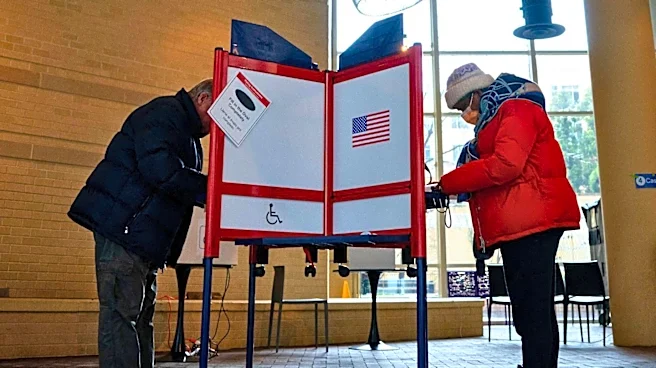
overseen by the National Labor Relations Board (NLRB). This decision follows a request from Wiki Workers United, which claims to have secured a supermajority of union-eligible workers who have signed union authorization cards. The Foundation's statement emphasized the importance of a fair and democratic process, stating that a secret-ballot election would ensure that all eligible employees can make their choice freely and without pressure. The announcement has sparked criticism from some Wikimedia community members, who argue that the decision delays the unionization process and reflects a reluctance to acknowledge the workers' majority support for unionization.
Why It's Important?
The decision by the Wikimedia Foundation to require an NLRB-supervised election rather than voluntarily recognizing the union has significant implications for labor relations within the organization. It highlights the ongoing challenges faced by workers in securing union recognition, even when a majority support is claimed. This move could set a precedent for other organizations facing similar unionization efforts, potentially influencing how labor relations are managed across various sectors. The outcome of the election could impact the working conditions and collective bargaining power of Wikimedia's U.S.-based staff, affecting their ability to negotiate for better terms and conditions. Additionally, the decision underscores the role of the NLRB in mediating labor disputes and ensuring fair election processes, which is crucial for maintaining democratic labor practices in the U.S.
What's Next?
The next steps involve the organization of a secret-ballot election by the NLRB, where eligible employees will vote on whether to unionize. The Wikimedia Foundation has committed to supporting a fair and transparent election process. If the majority of employees vote in favor of union representation, the Foundation will engage in collective bargaining with the union. The outcome of this election will be closely watched by other organizations and labor groups, as it may influence future unionization efforts and employer responses. The Wikimedia Foundation's approach and the election results could also prompt discussions on labor policies and the role of voluntary recognition in unionization processes.