

What's Happening?
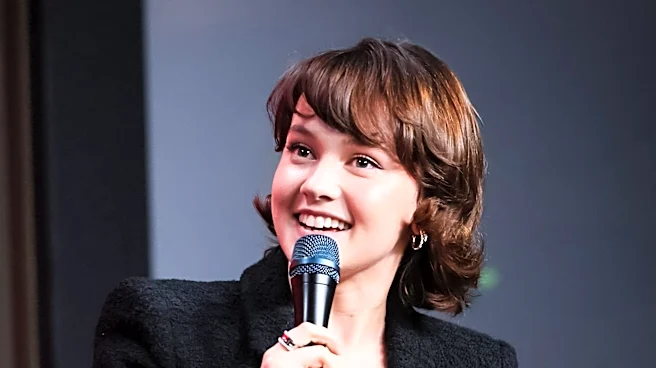
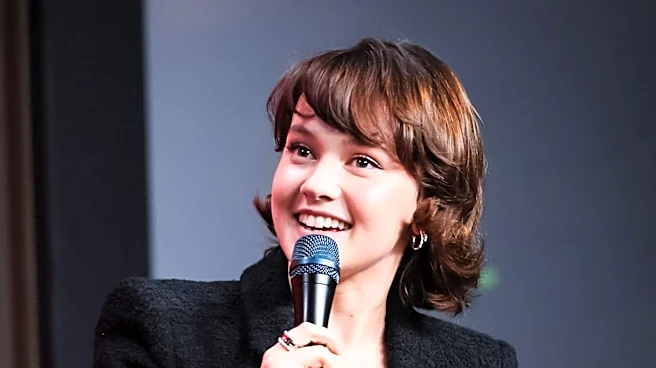
Olivia Cooke, who portrays Queen Alicent Hightower in HBO's 'House of the Dragon,' has spoken out about the negative aspects of the show's fandom. In an interview with GQ, Cooke described the fandom as having a significant 'ugliness,' characterized by
misogyny and racism. Her comments follow her decision to take a break from social media, specifically deleting her Instagram account before the third season of the series premiered in June. Cooke indicated that her social media use had become 'not nourishing' and expressed a belief that the 'celebri-fied nature of being an actor has now snowballed into this monster.' She emphasized that the purpose of creating TV shows and films is for escapism, art, and creativity, rather than for gaining followers or securing brand deals. Cooke also noted that fan theories and interpretations often 'catch fire' and diverge significantly from the on-screen narrative, sometimes extending to speculation about the actors and directors themselves.
Why It's Important?
Cooke's statements highlight a growing concern within the entertainment industry regarding the impact of toxic fandoms on actors and creators. Her experience underscores the challenges faced by public figures in navigating social media, where fan engagement can quickly turn negative, affecting mental well-being and professional perception. The issues of misogyny and racism within the 'House of the Dragon' fandom, as described by Cooke, reflect broader societal problems that manifest in online communities. This situation could prompt further discussions within production companies and networks about implementing strategies to protect their talent from online harassment and to foster healthier fan environments. It also brings to light the pressure on actors to maintain a social media presence, often at the expense of their personal well-being, and challenges the notion that celebrity status inherently requires constant online engagement.
What's Next?
While Cooke has already taken a personal step by leaving Instagram, her public comments may encourage other actors and public figures to re-evaluate their relationship with social media and fan interactions. The discussion around the 'ugliness' of certain fandoms could lead to increased calls for platforms to implement stricter moderation policies against hate speech and harassment. For 'House of the Dragon' specifically, the show's creators and HBO might consider addressing these issues more directly, potentially through public statements or by engaging with fan communities to promote more respectful discourse. The series is currently in pre-production for its fourth and final season, with filming expected to begin in early 2027 and a premiere in 2028. The ongoing production provides an opportunity for the show's leadership to set a precedent for how they manage fan engagement and protect their cast.
Beyond the Headlines
The phenomenon described by Olivia Cooke extends beyond the 'House of the Dragon' fandom, touching upon the evolving nature of celebrity and audience interaction in the digital age. The blurring lines between fictional narratives and real-life personas, fueled by intense fan theories and social media speculation, can create an environment where actors are subjected to personal attacks based on their roles or perceived actions. This raises ethical questions about the responsibilities of both content creators and social media platforms in managing these interactions. The prevalence of misogyny and racism within online fandoms also points to deeper cultural issues that are amplified in digital spaces, challenging the idea of online communities as purely positive or supportive. Cooke's experience serves as a stark reminder of the psychological toll that unchecked online negativity can take on individuals in the public eye.