


What's Happening?
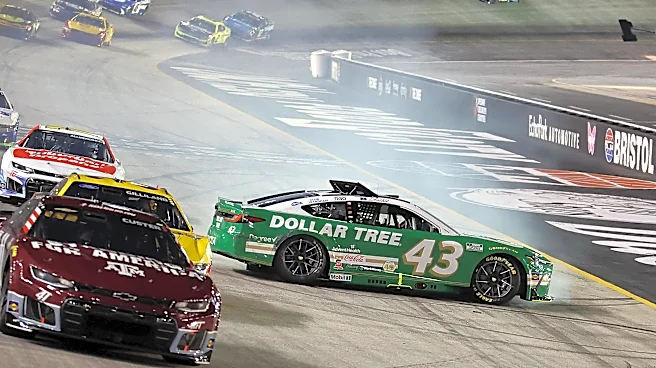
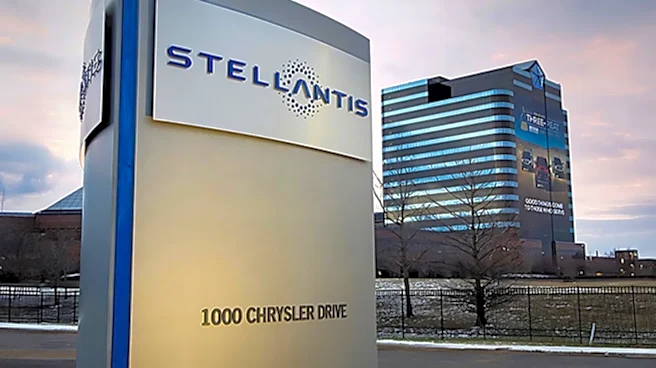
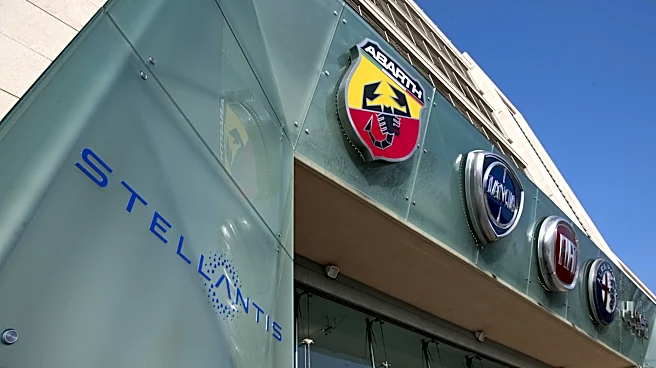
Stellantis, a global automaker, is reportedly preparing to exit nearly all of its motorsports commitments, with the exception of NASCAR. This decision is expected to be finalized following two extraordinary works council meetings scheduled for November
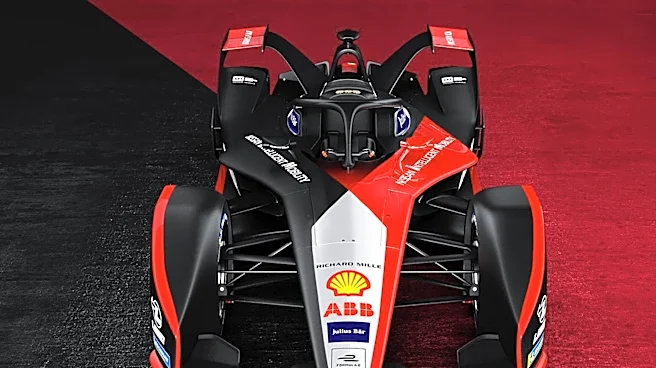
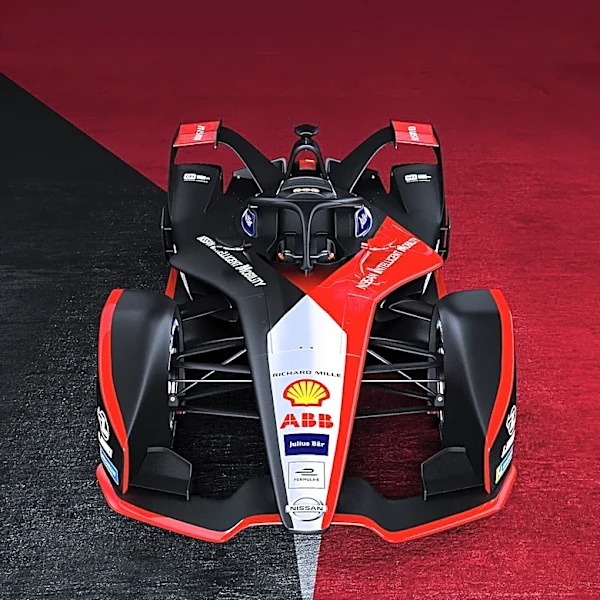
23. The withdrawal will impact several prominent racing series: Peugeot will depart from endurance racing, Citroën and Opel will cease their participation in Formula E, and Lancia's recently revived rally team will also be disbanded. This strategic shift is part of a broader cost-cutting initiative spearheaded by CEO Antonio Filosa. According to Reuters, Filosa is implementing measures to improve the company's financial performance amidst declining sales and profitability. Earlier this year, Stellantis launched a "Value Creation Program" aimed at achieving approximately $6.6 billion in cost savings by 2028. Autocar reports that the annual operating cost of Stellantis Motorsport is around $330 million, and these cuts are anticipated to bolster the company's finances, particularly in Europe, where it recorded a $341 million loss in the third quarter alone.
Why It's Important?
This move by Stellantis signals a significant reprioritization of financial stability over brand visibility in high-cost motorsports. The decision reflects a growing trend among automakers to scale back expensive racing programs during periods of economic pressure. For Stellantis, the withdrawal from multiple series, while maintaining its NASCAR involvement, suggests a strategic focus on markets where its brands have stronger commercial ties or where the return on investment for motorsports sponsorship is deemed more favorable. The substantial cost savings, estimated at $330 million annually, could be redirected towards other critical areas such as electric vehicle development, research and development, or shoring up profitability in challenging markets like Europe. This could impact the competitive landscape of various racing series, potentially altering manufacturer participation and sponsorship dynamics. For fans and stakeholders in affected series like Formula E and endurance racing, the departure of Stellantis brands represents a loss of manufacturer support and competition.
What's Next?
Following the anticipated confirmation on November 23, Stellantis will begin the process of withdrawing its brands from the various motorsports series. While factory support will cease, it is likely that customer teams currently utilizing Stellantis vehicles and powertrains may continue to receive some level of support, particularly in series like WRC2 where Lancia's Ypsilon Rally2 HF Integrale has seen recent success. The company's continued presence in NASCAR, a series it recently re-entered after a 14-year hiatus, indicates a strategic decision to maintain a footprint in a key U.S. market. Other automakers and racing organizations will be closely watching the financial implications and competitive shifts resulting from Stellantis's withdrawal. This could lead to other manufacturers re-evaluating their own motorsports budgets and strategies in the coming months, potentially triggering further changes in the global racing landscape.
Beyond the Headlines
The decision by Stellantis to largely exit motorsports underscores a broader industry shift where traditional marketing and brand-building through racing are being re-evaluated against immediate financial imperatives and the massive investments required for the transition to electric vehicles. While motorsports have historically been a proving ground for automotive technology and a powerful marketing tool, the current economic climate and the push for sustainability are forcing companies to make difficult choices. This move could also signal a changing perception of brand value derived from racing, with companies perhaps finding more cost-effective ways to engage consumers or allocate resources to areas with more direct commercial returns. The long-term impact on motorsports could be a reduction in manufacturer-backed entries, potentially leading to a greater reliance on privateer teams or a shift in the types of series that attract significant automotive investment.