




What's Happening?
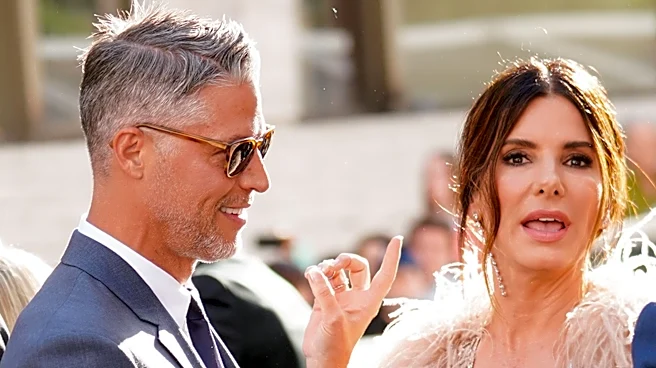
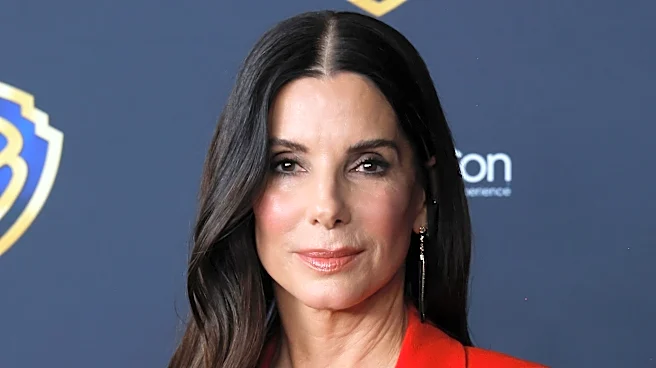
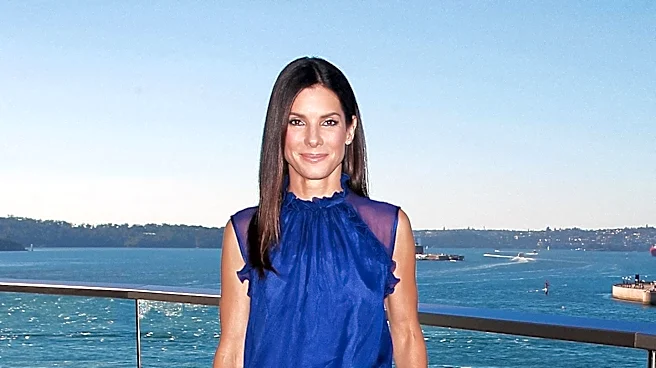
Actress Sandra Bullock recently shared on the 'SmartLess' podcast that she began grieving her late partner, Bryan Randall, four years before his death. Randall passed away in August 2023 at age 57 after a private three-year battle with Amyotrophic Lateral
Sclerosis (ALS). Bullock explained that her 'person left a lot earlier than the body left,' indicating a prolonged emotional process of loss as Randall's illness progressed. She honored his wish to keep his ALS diagnosis private, a decision that meant she couldn't openly discuss his condition during his lifetime. Bullock described the experience of caring for someone with a serious illness, where the relationship and the individual's abilities begin to change long before physical death. She noted that Randall was sick for about half of their eight-year relationship, highlighting the extended period of emotional and physical challenges she faced.
Why It's Important?
Bullock's candid revelation sheds light on a less-discussed aspect of grief, known as anticipatory grief, which many caregivers and loved ones experience when facing a terminal illness. This public sharing by a prominent figure can help normalize and validate the complex emotions associated with watching a loved one decline. It underscores the profound impact of chronic and terminal illnesses not only on the patient but also on their support system, particularly when privacy is a key concern. The decision to keep Randall's illness private, while respecting his wishes, also meant Bullock navigated this difficult period largely in isolation, highlighting the emotional burden that can accompany such discretion. Her experience resonates with countless individuals who have cared for family members with debilitating conditions, offering a voice to those who often grieve in silence.
What's Next?
While Bullock has now spoken about her personal grief journey, she continues to maintain the privacy surrounding the specific details of Randall's illness and his final months, respecting his original wishes. Her comments are focused on her emotional experience rather than a full disclosure of his medical battle. This approach suggests that she will likely continue to share aspects of her healing process on her own terms, potentially inspiring others to discuss their experiences with anticipatory grief. Her decision to speak out may encourage broader conversations about the emotional support needed for caregivers and families dealing with long-term illnesses, and the importance of respecting patient privacy while also acknowledging the caregiver's journey. It is anticipated that her story will continue to foster empathy and understanding for those navigating similar circumstances.
Beyond the Headlines
Bullock's narrative delves into the ethical and emotional complexities of privacy in illness, particularly for public figures. Her commitment to Randall's wish for privacy, even at a significant personal cost, highlights the deep respect and love within their relationship. This situation also brings to the forefront the societal expectation for public figures to share personal details versus their right to privacy, especially during vulnerable times. The concept of grieving a 'person' before the 'body' leaves challenges conventional understandings of loss and emphasizes the psychological toll of degenerative diseases. It prompts reflection on how society supports individuals through prolonged periods of caregiving and loss, and the often-invisible emotional labor involved. Her story subtly advocates for a more nuanced understanding of grief, recognizing it as a process that can begin long before a death certificate is issued.