






What's Happening?
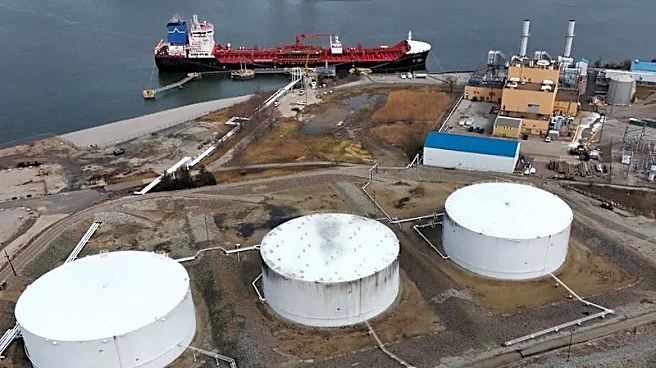
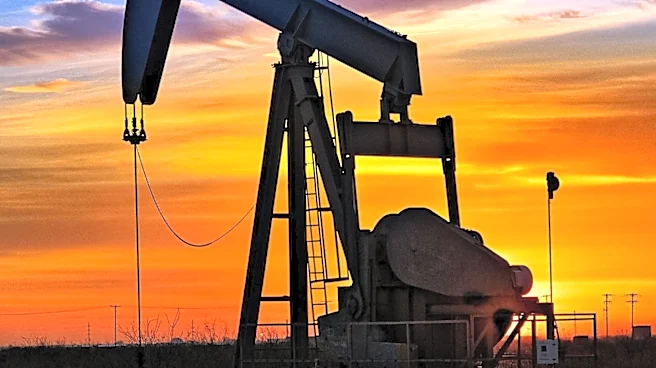
The U.S. dollar maintained its strength despite a significant drop in oil prices and easing geopolitical tensions between the U.S. and Iran. Crude oil prices fell by over $7, trading at $81.88, as the U.S. and Iran paused direct military strikes, with
President Trump indicating ongoing talks with Iran. This geopolitical development, however, did not weaken the dollar as expected. In economic news, U.S. durable goods orders rose by 0.3% in June, falling short of the anticipated 2.5% increase, indicating softer manufacturing demand. Despite the weak headline, core capital goods orders, a proxy for business investment, showed a 0.9% increase, suggesting continued business investment in equipment.
Why It's Important?
The resilience of the U.S. dollar amidst declining oil prices and geopolitical developments highlights the complex interplay between global events and currency markets. The dollar's strength, despite softer economic data, suggests investor confidence in the U.S. economy and its monetary policy. The durable goods report, while below expectations, indicates ongoing business investment, which is crucial for economic growth. The Federal Reserve's upcoming decision on interest rates is anticipated to influence market dynamics further, with potential implications for the dollar and broader financial markets.
What's Next?
All eyes are on the Federal Reserve's decision, which is expected to set the tone for the U.S. dollar and financial markets. With markets anticipating no change in rates, the focus will be on the Fed's guidance and any policy outlook changes. The geopolitical situation with Iran remains a variable, with potential impacts on oil prices and the dollar. Traders will also watch for revisions in durable goods data in the upcoming Factory Orders report, which could alter current economic assessments.