







What's Happening?
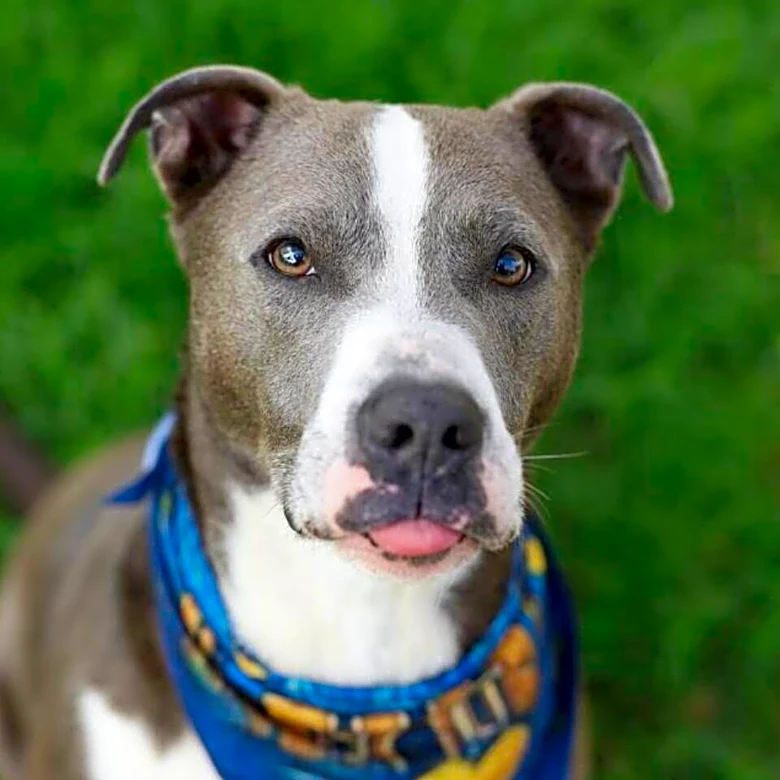
British cultivated meat company Ivy Farm Technologies has secured its first regulatory approval in the UK to supply cultivated Wagyu beef as an ingredient for pet food. This approval, granted after collaboration with UK regulators including the Department
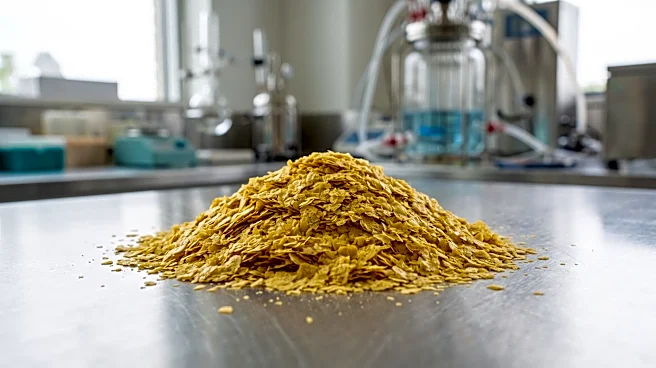
for Environment, Food & Rural Affairs (Defra) and the Animal and Plant Health Agency (APHA), allows Ivy Farm to enter the UK pet food market. The company's cultivated Wagyu is produced from cells taken from a single F1 Wagyu cow, grown in bioreactors using a serum-free nutrient medium, and then formulated into an ingredient. Ivy Farm plans to supply this as a premium ingredient to pet food brands and manufacturers, with its first commercial-scale production run anticipated in early 2027.
Why It's Important?
This regulatory approval for Ivy Farm Technologies marks a significant step for the cultivated meat industry, particularly in the pet food sector. For the U.S. market, while this specific approval is in the UK, it signals a growing global acceptance and commercial viability of cultivated meat. It demonstrates a pathway for other cultivated meat companies, including those in the U.S., to navigate regulatory processes and bring their products to market. The focus on pet food as an initial commercialization route could alleviate some of the regulatory and consumer acceptance hurdles often associated with cultivated meat for human consumption. This development could accelerate investment and innovation in the U.S. cultivated meat industry, potentially leading to more sustainable and nutritious pet food options and eventually influencing the broader food supply chain.
What's Next?
Ivy Farm Technologies is preparing for its first commercial-scale production run in early 2027 and has also submitted an application for pet food approval in Europe. The company continues to pursue approval for human consumption in the UK, Europe, and the U.S. This suggests a strategic phased approach to market entry, starting with pet food to establish production and regulatory precedents. Other cultivated meat companies globally, including those in the U.S., will likely observe Ivy Farm's progress closely, potentially adapting their own market entry strategies. The success of cultivated Wagyu in the pet food market could pave the way for broader acceptance and regulatory advancements for cultivated meat products in general, influencing future food policy and consumer choices.
Beyond the Headlines
The approval of cultivated Wagyu for pet food highlights a fascinating ethical and practical dimension of the alternative protein movement. By initially targeting pet food, companies like Ivy Farm can build production capacity, refine processes, and gather consumer data in a less scrutinized market compared to human consumption. This strategy could help normalize the concept of cultivated meat and address some of the initial skepticism. It also raises questions about the future of animal agriculture, as cultivated meat offers a potential solution to environmental concerns and ethical considerations related to traditional farming. The long-term implications could include a significant shift in how protein is produced and consumed, not just for humans but also for companion animals, potentially leading to a more sustainable and ethical food system.