




What's Happening?
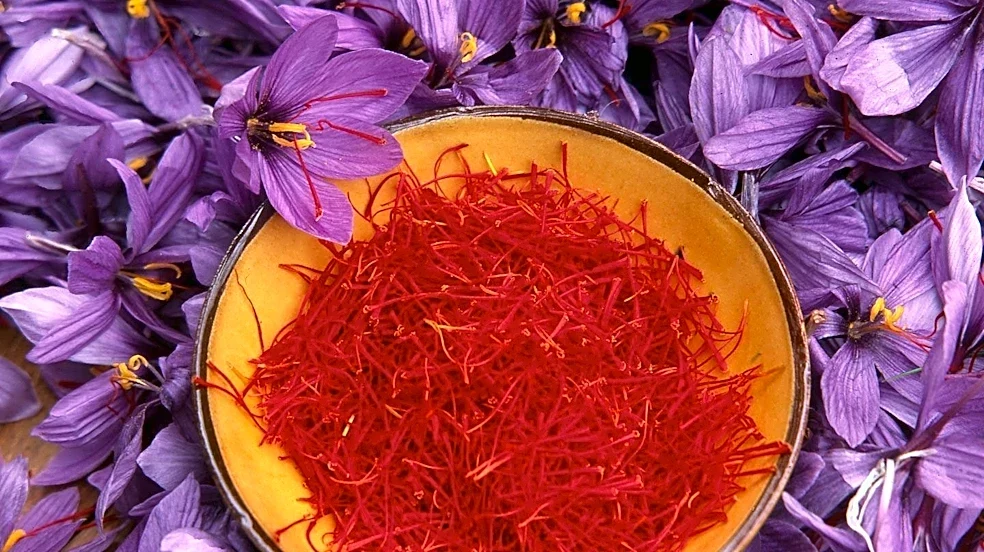
Home gardeners in the U.S. can successfully grow genuine saffron (Crocus sativus) in small patches or pots, yielding enough for personal culinary use. The plant requires full sun, well-drained soil, and a summer dormancy period, flowering in autumn. Each
flower produces three red stigmas, which are the saffron threads, and approximately 150 flowers are needed to produce one gram of dried saffron. A critical safety note is to ensure the correct species, Crocus sativus, is planted, as other 'autumn crocus' varieties like Colchicum autumnale are poisonous. Harvesting involves carefully picking the red stigmas daily as flowers open, followed by proper air-drying and storage in an airtight, dark container.
Why It's Important?
Growing saffron at home offers U.S. consumers a unique opportunity for self-sufficiency in a high-value spice, providing fresh, unadulterated saffron for special meals. This practice promotes a deeper connection to food sources and encourages engagement with specialized horticulture. For those interested in sustainable living or unique gardening projects, it presents a rewarding challenge. The emphasis on correct plant identification is crucial for public safety, preventing accidental poisoning from toxic lookalikes. While not a cost-saving measure for large-scale consumption, it allows individuals to experience the process of cultivating a historically significant and expensive spice, fostering a greater appreciation for its value and the labor involved in its production.
What's Next?
Individuals interested in growing saffron should source clearly labeled Crocus sativus corms from reputable suppliers and follow specific planting and care instructions for their local climate. Attention to soil drainage, sunlight, and timely harvesting will be key to success. Educational resources on distinguishing true saffron from poisonous varieties will remain vital. As more people explore home gardening and niche crops, there may be an increase in demand for saffron corms and related gardening supplies. This could also lead to community gardening initiatives or local workshops focused on cultivating unique spices.
Beyond the Headlines
The act of growing saffron at home transcends mere gardening; it's an engagement with agricultural history and a testament to the enduring human desire for self-reliance and connection to nature. The high cost of saffron in commercial markets highlights the labor-intensive nature of its production, making home cultivation a personal act of reclaiming a part of that process. It also serves as a practical lesson in botanical identification, emphasizing the importance of knowing exactly what one consumes. This niche gardening pursuit can foster a sense of accomplishment and provide a unique culinary experience, enriching the lifestyle of those who undertake it.