






What's Happening?
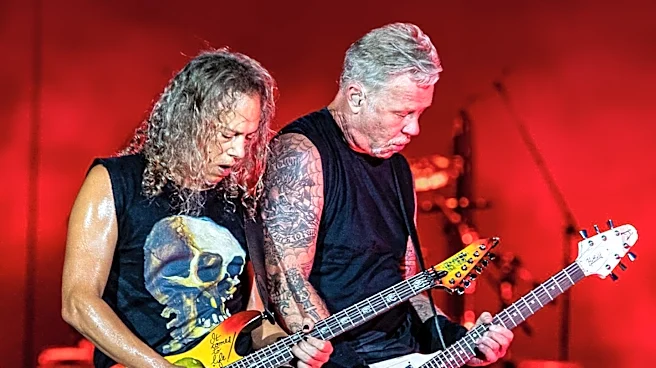
Robert Trujillo, a prominent bassist in the music industry, is being recognized for his significant contributions over the past four decades. Born in Santa Monica, California, Trujillo's musical journey began with influences from flamenco, soul, and funk,
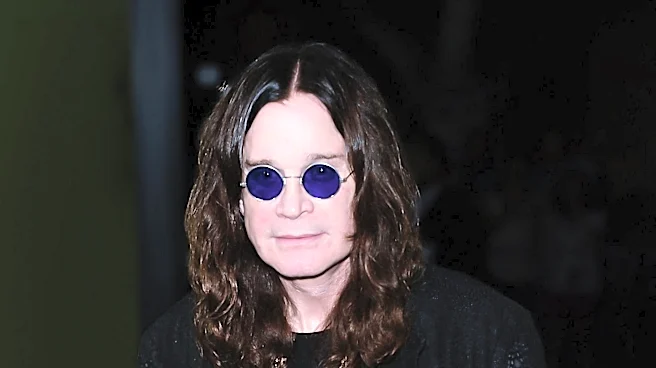
before he discovered Jaco Pastorius, who became a major inspiration. His early career saw him playing in local bands covering rock and heavy metal, eventually leading him to jazz school with aspirations of becoming a session musician. This diverse background shaped his unique ability to navigate various musical genres seamlessly. The article highlights 10 specific bass lines from his career, showcasing his talent and technique across different bands. These include his work with Suicidal Tendencies on tracks like 'Send Me Your Money' and 'War Inside My Head,' where he introduced a new dimension to the band's sound with his signature grooves and slap techniques. His involvement with Infectious Grooves, a funkier side project, is also noted with examples like 'Punk It Up' and 'Violent & Funky,' demonstrating his mastery of slap grooves and complex rhythmic patterns. Trujillo's collaborations with Ozzy Osbourne, Jerry Cantrell, and Black Label Society further illustrate his versatility before his pivotal role in Metallica.
Why It's Important?
Robert Trujillo's career is significant for its demonstration of versatility and adaptability within the heavy music landscape. His ability to transition between genres like thrash, funk metal, and hard rock, while maintaining a distinctive and influential style, has left a lasting impact on bass playing. His work with Suicidal Tendencies helped define the crossover thrash scene, bringing a new level of groove and technicality to the genre. With Infectious Grooves, he pushed the boundaries of funk metal, showcasing intricate slap bass techniques that inspired many. His tenure with Ozzy Osbourne further solidified his reputation as a top-tier bassist capable of supporting a legendary frontman. Ultimately, his recruitment into Metallica marked a crucial turning point for both him and the band, injecting new energy and contributing to their continued success. Trujillo's influence extends beyond his playing; his songwriting credits with Metallica underscore his creative input and integral role in shaping the band's sound. His career serves as a testament to the importance of diverse musical influences and continuous evolution for musicians aiming for longevity and impact in the industry.
What's Next?
While the article primarily reflects on past achievements, Robert Trujillo continues to be an active and influential figure in the music world. As the bassist for Metallica, he is expected to remain involved in the band's future projects, including potential new albums, tours, and other musical endeavors. Metallica's recent album, '72 Seasons,' released in April 2023, indicates their ongoing commitment to creating new music, suggesting that Trujillo will continue to contribute his distinctive bass lines and songwriting to future releases. His collaborations with other artists, such as his recent work with Ozzy Osbourne on 'Patient Number 9' and Jerry Cantrell on 'I Want Blood,' suggest that he may continue to engage in side projects, further showcasing his versatility. Additionally, his involvement with Warwick, developing signature bass models, indicates a continued presence in the music gear industry, potentially leading to new product developments or endorsements. Fans and aspiring musicians can anticipate more contributions from Trujillo, both with Metallica and in other capacities, as he maintains his status as a respected and innovative bassist.
Beyond the Headlines
Robert Trujillo's career trajectory offers deeper insights into the evolution of bass playing in heavy music and the dynamics of band membership. His journey from a diverse musical background to becoming a cornerstone of one of the biggest metal bands in the world highlights the value of eclecticism and continuous learning. His ability to seamlessly integrate into established bands like Metallica, bringing his unique style while respecting the band's legacy, demonstrates a crucial aspect of musical collaboration and adaptation. The documentary 'Some Kind of Monster' provides a rare glimpse into the challenges and triumphs of such transitions, particularly the financial and personal commitments involved in joining a high-profile group. Trujillo's emphasis on technique, groove, and harmonic contribution, as detailed through his iconic bass lines, underscores the often-underestimated role of the bassist in shaping a band's overall sound and impact. His career also reflects the enduring influence of musical mentors like Jaco Pastorius, illustrating how foundational inspirations can shape a musician's entire artistic output and legacy.