



What's Happening?
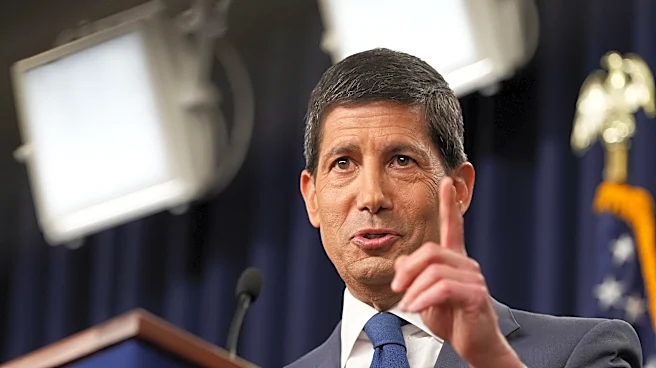
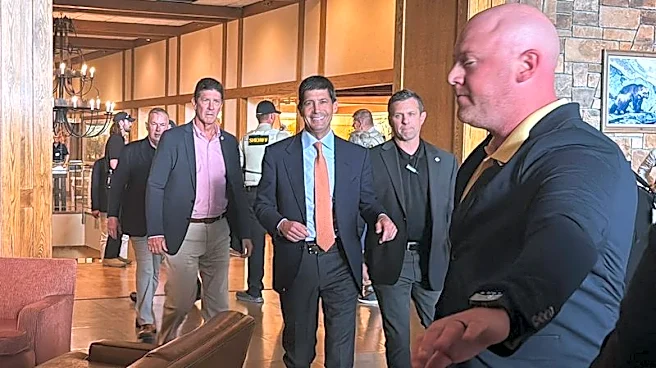
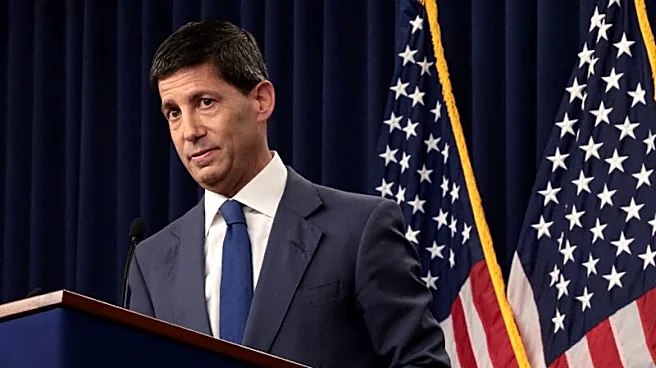
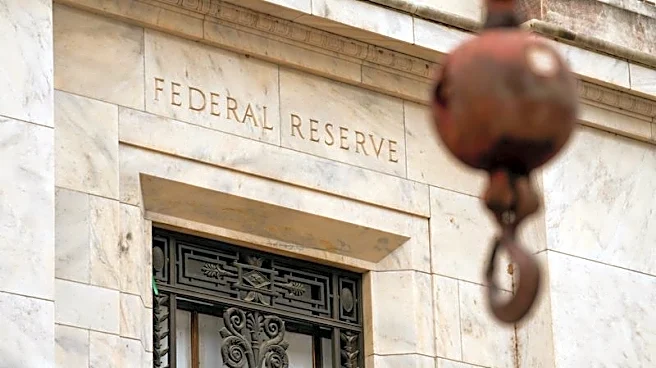
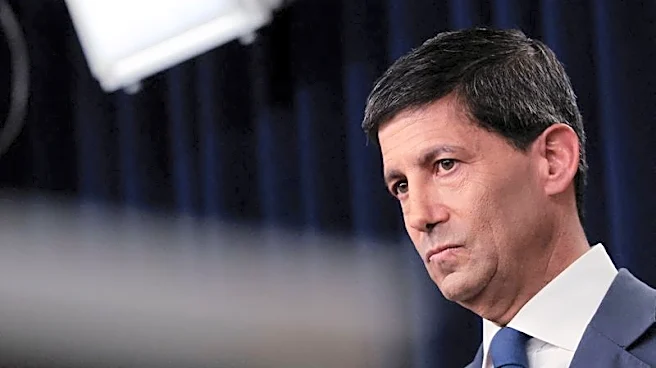
Federal Reserve Chairman Kevin Warsh delivered his first keynote speech at the annual Jackson Hole economic symposium on August 28, 2026, emphasizing the need for the U.S. central bank to remain vigilant about inflation. Warsh stated that the Fed 'will
have work to do' if underlying inflation does not return to its 2 percent target. While he avoided providing a specific timeline for potential rate hikes, his address indicated a hawkish stance, suggesting that interest rate increases might be necessary in the near future. According to CME Group’s FedWatch, there is a 57.4 percent chance of a 25 basis point hike at the September meeting. Warsh also addressed broader economic issues, including the impact of artificial intelligence on the economy, and defended his approach of limiting 'forward guidance' to avoid market over-reliance on Fed pronouncements.
Why It's Important?
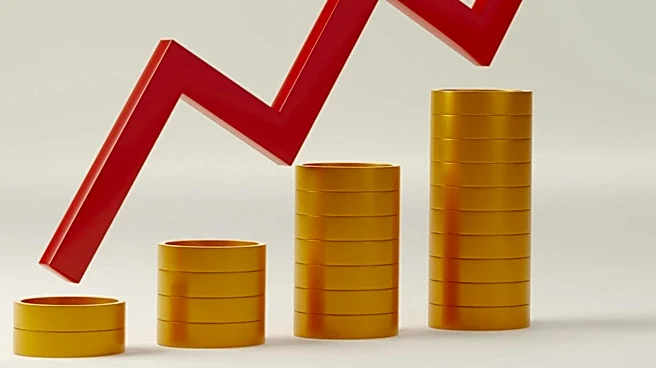
Chairman Warsh's remarks are significant as they provide a clearer signal regarding the Federal Reserve's commitment to tackling persistent inflation, which has been running above the 2% target for over five years. This stance suggests a potential shift towards tighter monetary policy, impacting borrowing costs for businesses and consumers across the U.S. The increased likelihood of a rate hike could influence investment decisions, mortgage rates, and overall economic activity. For industries heavily reliant on borrowing, such as real estate and manufacturing, higher rates could lead to reduced expansion and increased operational costs. Conversely, this approach aims to stabilize prices, which could benefit consumers by preserving purchasing power in the long run. The emphasis on inflation over employment, which Warsh described as 'broadly consistent with full employment,' highlights the Fed's current priority in its dual mandate.
What's Next?
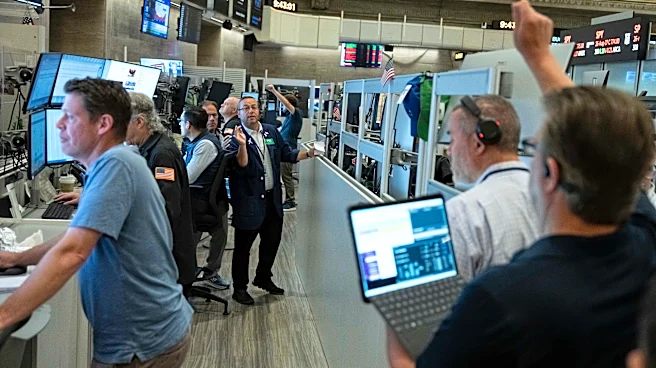
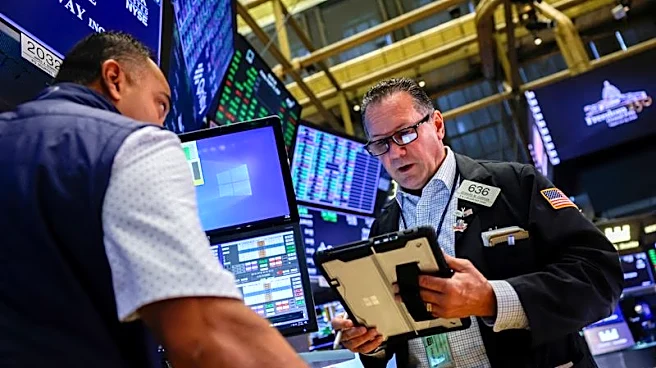
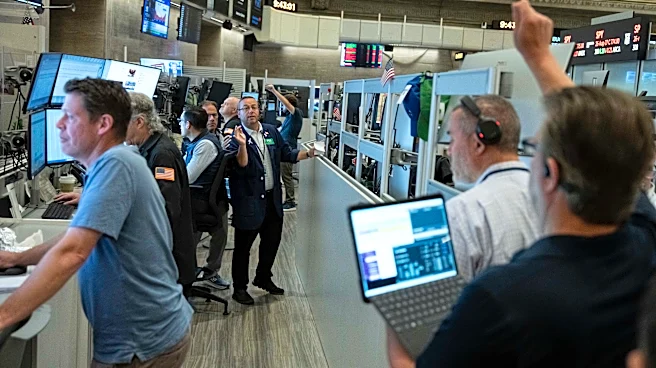
Following Chairman Warsh's speech, market participants are now anticipating the Federal Open Market Committee (FOMC) meeting in mid-September, where a decision on interest rates will be made. The increased probability of a 25 basis point rate hike, as indicated by CME Group’s FedWatch, suggests that the Fed may act sooner than previously expected. Analysts from Capital Economics note that if forthcoming price data remains firm, a hike could occur earlier than their current forecast of December. The Fed will continue to monitor inflation data, particularly the Personal Consumption Expenditures Price Index (PCE), and assess the impact of artificial intelligence on economic productivity. The recommendations from the five task forces created by the central bank, focusing on future policy challenges, are also expected to be released later, potentially shaping long-term monetary policy strategies.
Beyond the Headlines
Chairman Warsh's deliberate shift away from extensive 'forward guidance' marks a notable change in the Federal Reserve's communication strategy. This approach aims to reduce market dependency on explicit Fed signals, encouraging investors to focus more on economic fundamentals rather than anticipating policy moves. While this could lead to greater market volatility in the short term as participants adjust, it reflects a belief that oversharing policy deliberations can inhibit the Fed's flexibility to make optimal decisions. The discussion around artificial intelligence's role in the economy also points to a deeper, long-term consideration for monetary policy. The Fed is exploring how AI might influence productivity, market structures, and the distribution of capital returns, indicating a forward-looking perspective on technological advancements and their potential to reshape economic landscapes and policy challenges.