


What's Happening?
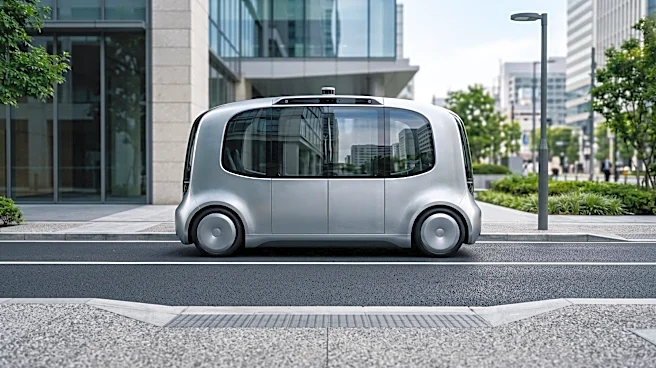
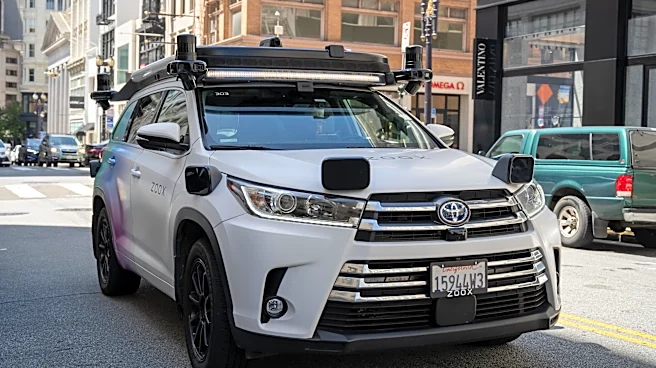
Zoox, the Bay Area-based robotaxi company and Amazon subsidiary, has deployed its first purpose-built autonomous vehicles in Los Angeles County, specifically in Santa Monica. These unique, pill-shaped vehicles, which lack a steering wheel and gas pedal
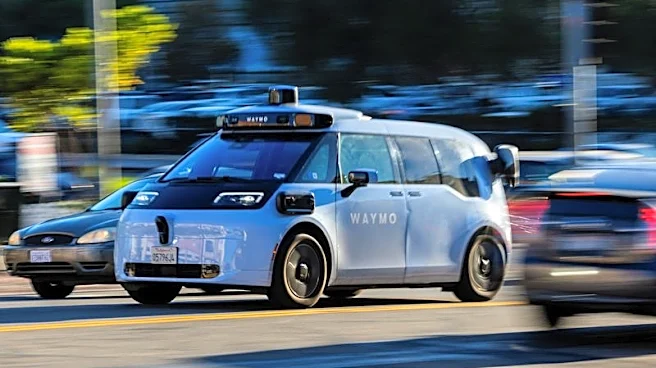
and feature interior seats facing each other, began serving company employees and their friends and families on Thursday. The public waitlist for these services is anticipated to open next year. Zoox's approach differs from competitors like Waymo, which retrofits existing vehicles; Zoox designs its vehicles from the ground up for autonomous ride-hailing. This expansion into Santa Monica follows Zoox's successful operations in San Francisco and Las Vegas, where it has already surpassed 1 million riders. The company plans to further extend its service area within Los Angeles County and to other cities like Atlanta, Miami, and Austin, Texas.
Why It's Important?
The launch of Zoox's purpose-built robotaxis in Santa Monica signifies a significant advancement in the autonomous vehicle industry, particularly in a major U.S. metropolitan area. By deploying vehicles specifically designed for autonomous operation, Zoox aims to offer a unique and potentially more efficient ride-hailing experience, which could set a new standard for the sector. This expansion intensifies the competition within the robotaxi market, challenging other players like Waymo and Tesla, and pushing the boundaries of autonomous technology. For residents of Los Angeles County, this development promises a future with potentially safer and more accessible transportation options. The measured and collaborative approach taken by Zoox, as noted by Santa Monica City Manager Oliver Chi, is crucial for building community trust and ensuring a smooth integration of these new services into urban environments. The success of this rollout could influence regulatory decisions and public acceptance of autonomous vehicles nationwide.
What's Next?
Zoox plans to open its public waitlist for rides in Santa Monica next year, indicating a phased approach to commercial service. The company also intends to expand its operations further within Los Angeles County and to new markets such as Atlanta, Miami, and Austin, Texas. This expansion will require continued collaboration with local authorities to ensure regulatory compliance and address community concerns regarding safety and accessibility. As Zoox scales its operations, it will need to demonstrate the reliability and efficiency of its purpose-built vehicles in diverse urban settings. The performance of Zoox's robotaxis will be closely monitored, especially in light of ongoing discussions and investigations into autonomous vehicle safety, such as the National Highway Traffic Safety Administration's inquiry into Tesla's Cybercab. The company's ability to maintain a strong safety record and build public confidence will be critical for its sustained growth and market penetration.
Beyond the Headlines
The introduction of purpose-built robotaxis like those from Zoox could fundamentally reshape urban mobility and infrastructure. The design, which eliminates traditional driver controls and features face-to-face seating, suggests a shift towards vehicles as mobile social spaces rather than mere transportation. This could influence urban planning, potentially reducing the need for parking spaces and altering traffic flow. The broader adoption of such vehicles also raises questions about the future of public transportation, car ownership, and the gig economy. As autonomous technology becomes more prevalent, there will be ongoing debates about data privacy, cybersecurity, and the ethical implications of AI-driven decision-making in complex scenarios. The success and integration of Zoox's robotaxis in Santa Monica will serve as a case study for how cities can adapt to and benefit from advanced autonomous transportation solutions, while also addressing potential challenges.