





What's Happening?
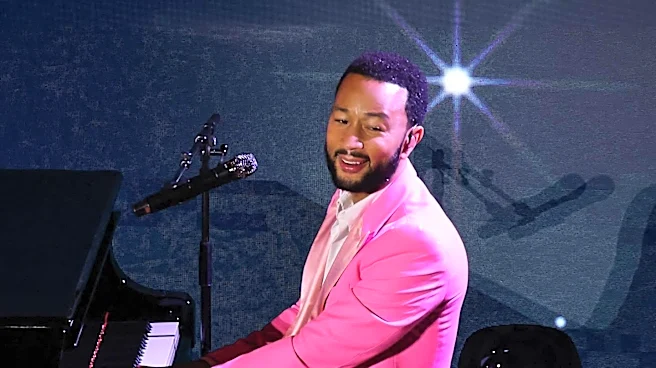
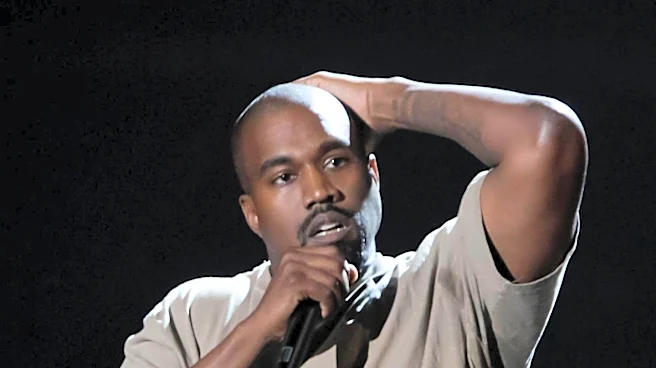
John Legend has spoken out about his relationship with longtime collaborator Kanye West, indicating that while he is open to a private conversation, a public reunion is not anticipated. Legend clarified that West has not personally harmed him, despite
some 'stray comments.' However, Legend emphasized that West's remarks about various communities, including the Black and Jewish communities, have been 'really harmful.' He stated that West's apology published in The Wall Street Journal is insufficient to address the extent of the damage caused by his actions and statements. Legend, who was the first artist signed to West's G.O.O.D. Music label, acknowledged West's pivotal role in his early career but highlighted the significant cooling of their relationship due to West's controversies.
Why It's Important?
This statement from John Legend is important as it highlights the ongoing societal impact of public figures' rhetoric, particularly concerning sensitive community issues. Legend's distinction between personal forgiveness and accountability for broader societal harm underscores a growing expectation for public figures to address the consequences of their words beyond individual apologies. The situation reflects a broader cultural conversation about the responsibility of artists and influencers, especially when their platforms are used to disseminate potentially divisive or harmful messages. It also illustrates the complexities of maintaining personal and professional relationships in the face of public controversy, particularly when those controversies involve marginalized communities. The call for more than a 'statement in The Wall Street Journal' suggests a demand for tangible actions or sustained efforts towards reconciliation and understanding.
What's Next?
While John Legend has expressed openness to a private conversation with Kanye West, he has not indicated any immediate plans for a public reconciliation or future musical collaborations. The onus appears to be on West to demonstrate more substantial efforts to address the harm caused to communities, beyond a written apology. This situation may prompt further discussion among public figures and their audiences regarding the nature of apologies and the path to redemption for those who have made controversial statements. It could also influence how other artists navigate their relationships with West, potentially leading to continued distance until more significant amends are perceived to have been made. The entertainment industry may continue to grapple with how to balance artistic freedom with social responsibility in the wake of such high-profile incidents.
Beyond the Headlines
The dynamic between John Legend and Kanye West extends beyond a personal dispute, touching upon deeper ethical and cultural dimensions within the entertainment industry and society at large. Legend's stance reflects a growing awareness and demand for accountability from public figures regarding their impact on social discourse. It highlights the ethical dilemma faced by artists who have collaborated with individuals whose public statements become widely condemned. This situation could contribute to a long-term shift in how celebrity apologies are perceived and whether they are deemed sufficient without accompanying actions. It also underscores the power of cultural figures to shape public opinion and the significant responsibility that comes with such influence, particularly concerning issues of prejudice and community relations. The ongoing narrative between these two artists serves as a case study in the evolving landscape of celebrity, social responsibility, and public forgiveness.