




What's Happening?
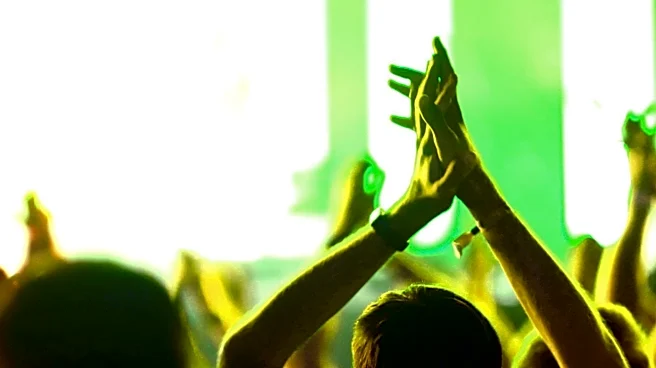
Wellness raves, also known as sober dance parties or morning raves, are gaining popularity as high-energy, substance-free social gatherings. These events combine music, movement, and community, offering an alternative to traditional nightclubs and bars
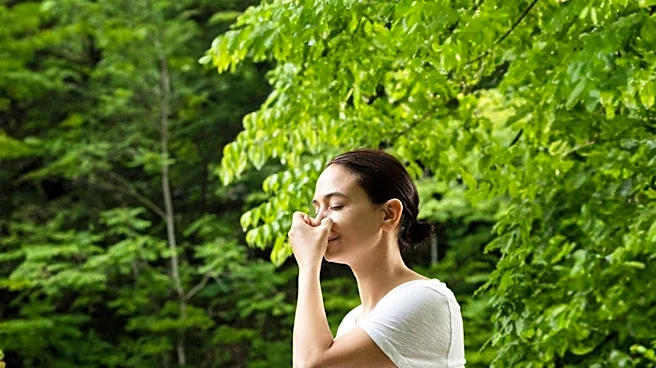
where alcohol consumption is central. Therapist Chloë Bean, LMFT, describes them as experiences that provide a dopamine hit through physical activity and connection without relying on drugs or alcohol. Therapist LeNaya Smith Crawford, LMFT, notes that these events often feature DJs, dancing, and may include other wellness activities like yoga, meditation, or breathwork. They cater to individuals seeking to socialize, meet new people, and engage in sensory experiences in a regulated environment, particularly appealing to those who are neurodivergent, burnt out, or experience social anxiety.
Why It's Important?
The rise of wellness raves signifies a growing cultural shift towards mindful socializing and substance-free entertainment in the U.S. This trend is important for several reasons: it provides a much-needed alternative for individuals who want to enjoy music and dance in a social setting without the pressure or presence of alcohol and drugs. This can foster healthier social habits and create more inclusive environments for people with various preferences or sensitivities. For the entertainment and event industries, it opens up a new market segment, encouraging the development of innovative, health-conscious social experiences. It also reflects a broader societal interest in wellness and self-care, where people are actively seeking activities that contribute positively to their mental and physical well-being, rather than detracting from it.
What's Next?
As wellness raves gain traction, it is likely that more organizers and venues will begin to host these types of events across the U.S. We can expect to see an expansion of offerings, potentially incorporating a wider range of wellness activities and themes. Event organizers like Daybreaker, already active in multiple cities, may see increased participation and inspire new ventures. The trend could also influence traditional nightlife establishments to consider offering substance-free events or dedicated spaces to cater to this growing demographic. Furthermore, the concept might evolve to include different formats, such as wellness festivals or themed gatherings that integrate various aspects of holistic health, from nutrition to mindfulness, within a high-energy, communal setting.
Beyond the Headlines
The emergence of wellness raves points to a deeper societal re-evaluation of how people connect and find joy. In a culture often associated with alcohol-centric social norms, these events challenge the status quo by demonstrating that vibrant social experiences are possible without substances. This has significant implications for public health, potentially reducing alcohol-related issues and promoting healthier lifestyle choices. Ethically, it fosters a more inclusive social landscape, accommodating individuals who may feel marginalized in traditional nightlife settings. Culturally, it represents a fusion of the rave scene's energetic communal spirit with the wellness movement's focus on self-care and conscious living, creating a unique subculture that prioritizes well-being and authentic connection over intoxication.