



What's Happening?
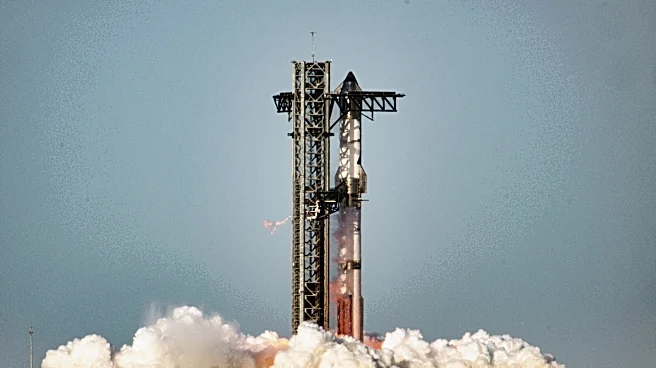
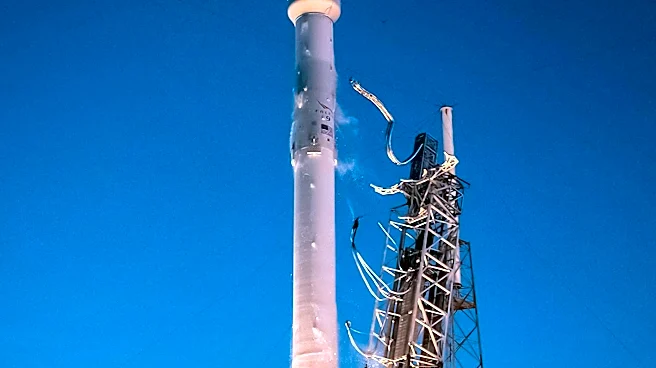
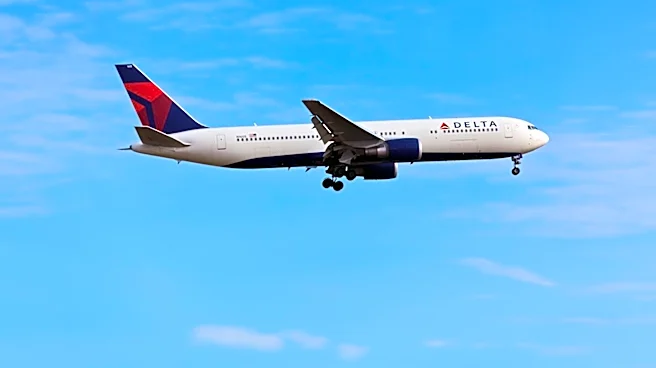
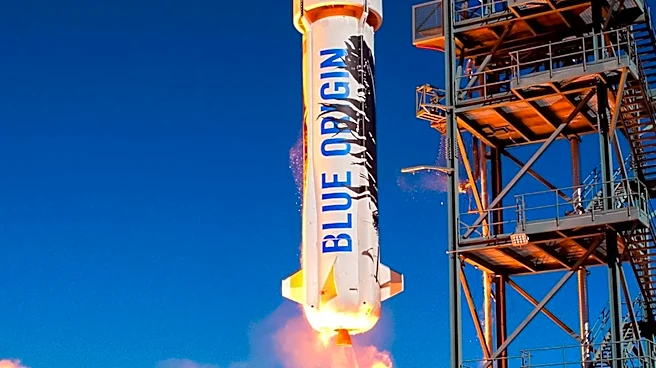
Delta Air Lines' strategy for in-flight Wi-Fi has encountered a significant hurdle after a rocket carrying 40 Amazon Leo satellites failed after liftoff, resulting in the loss of the entire payload. Delta had planned to install Amazon’s forthcoming Leo service
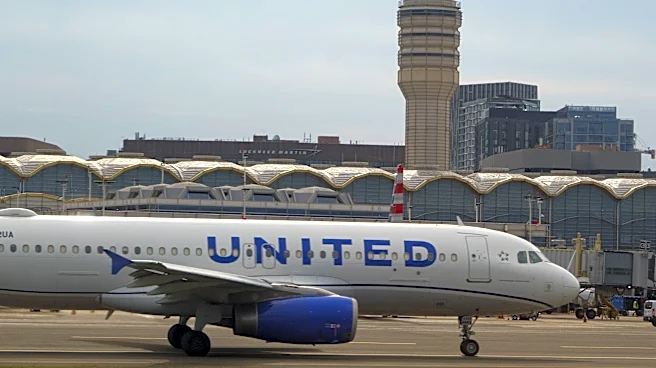
on 500 of its jets, with installations not slated to begin until 2028. This incident raises questions about Delta's decision to partner with Amazon over Starlink, a competitor whose service is already operational and widely adopted by other major U.S. airlines. Ed Bastian, Delta's CEO, previously stated at Fortune's Innovation Forum that customers do not choose airlines based on Wi-Fi availability, a stance that has drawn criticism given Delta's past efforts to promote its fast, free Wi-Fi as a key differentiator. The airline's current connectivity, despite being available on over 1,300 jets, is reportedly not competitive with Starlink's offerings.
Why It's Important?
This development is important for the U.S. airline industry as it highlights the competitive landscape of in-flight connectivity and the strategic decisions airlines make regarding passenger experience. Delta's reliance on Amazon's Leo service, which is still in development, contrasts with other major U.S. airlines that have opted for Starlink, a more established and currently operational service. This divergence could impact Delta's competitive position, especially as reliable and fast in-flight Wi-Fi becomes an increasingly expected amenity for travelers. While Delta has time to adjust its plans before 2028, the satellite launch failure underscores the risks associated with adopting nascent technologies. The perception that Delta is falling behind in Wi-Fi offerings could influence customer loyalty and choices, potentially benefiting rival airlines that offer superior connectivity.
What's Next?
Delta Air Lines will likely need to reassess its in-flight Wi-Fi strategy following the Amazon Leo satellite launch failure. Although installations are not scheduled until 2028, the incident could prompt Delta to explore alternative solutions or re-evaluate its commitment to Amazon's service. The airline may face increased pressure from customers and industry observers to provide competitive Wi-Fi options, especially as other carriers continue to roll out Starlink. Ed Bastian's assertion that Wi-Fi is not a primary factor in airline choice may be further scrutinized, potentially leading to a shift in Delta's public messaging or investment priorities regarding connectivity. The coming years will reveal whether Delta maintains its current course with Amazon or pivots to another provider to meet evolving passenger expectations.
Beyond the Headlines
The incident with Amazon's Leo satellites and Delta's Wi-Fi strategy touches upon broader themes of technological adoption, competitive differentiation, and customer expectations in the airline industry. It highlights the inherent risks in relying on unproven technologies, even from major players like Amazon, when more established alternatives exist. The debate over whether Wi-Fi influences airline choice also reflects a deeper shift in consumer behavior, where amenities once considered luxuries are now becoming baseline expectations. Airlines that fail to meet these evolving expectations risk not only losing market share but also damaging their brand reputation. This situation could serve as a case study for other industries considering significant investments in emerging technologies, emphasizing the importance of robust contingency planning and a clear understanding of customer priorities.