






What's Happening?
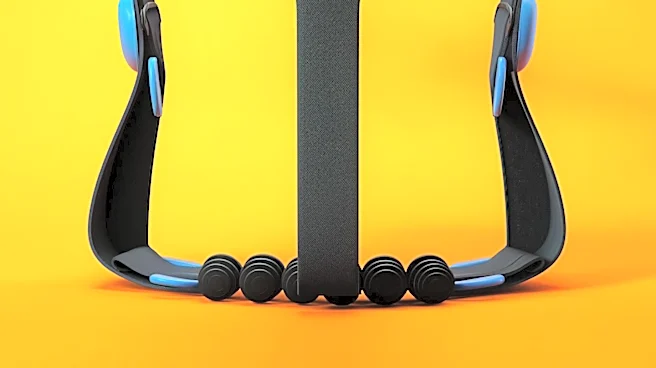
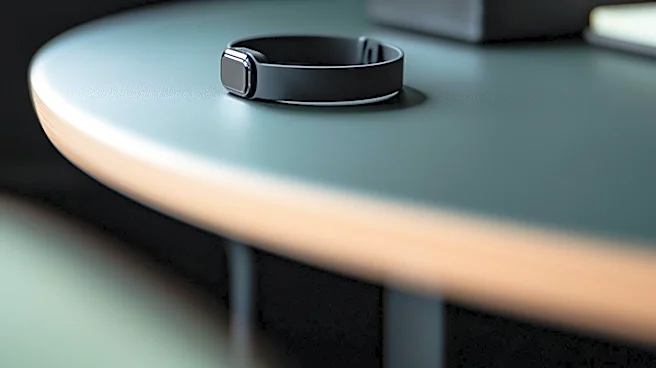
WHOOP, a wearable technology company, has launched a new 'Healthspan' feature for its Peak membership. This feature provides users with a 'WHOOP Age,' an estimated physiological and biological age derived from six months of biometric data. It also includes
a 'Pace of Ageing' metric, which assesses how recent behaviors influence an individual's aging trajectory. The Healthspan feature considers various factors such as sleep patterns, activity levels, strength training, step count, VO2 Max, and resting heart rate. The primary goal is not to assign an arbitrary age but to help users understand how their current lifestyle choices might impact their health in later life and identify areas for improvement. This initiative expands WHOOP's tracking capabilities beyond traditional fitness and recovery metrics to include longevity insights, stress monitoring, and a comprehensive health monitor that tracks personal baselines and deviations.
Why It's Important?
The introduction of WHOOP's Healthspan feature signifies a growing trend in personalized health management, shifting focus from mere longevity to 'healthspan'—the duration of life lived in good physical and mental health, free from chronic diseases. This development is important for the U.S. healthcare landscape as it empowers individuals with actionable data to proactively manage their health and potentially mitigate age-related decline. By providing insights into biological age and the pace of aging, WHOOP encourages preventive healthcare, which could lead to reduced healthcare costs and improved quality of life for an aging population. The emphasis on understanding the impact of daily behaviors on long-term health could drive greater adoption of healthy habits, influencing public health outcomes and potentially reducing the burden of chronic illnesses. This also highlights the increasing integration of technology into personal health, offering a new dimension to how individuals interact with and understand their bodies.
What's Next?
The integration of healthspan tracking into consumer wearables like WHOOP suggests a future where personalized longevity insights become more accessible. This could lead to increased demand for similar features from other wearable technology companies, fostering innovation in the health tech sector. As more individuals gain access to their biological age and aging pace, there may be a greater emphasis on evidence-based interventions and lifestyle modifications. This could also spur further research into the correlation between biometric data, lifestyle choices, and actual health outcomes, potentially leading to more refined and accurate healthspan metrics. Additionally, the data collected by such devices could contribute to larger public health studies, offering valuable insights into population-level aging trends and the effectiveness of various health interventions. The continued evolution of these technologies will likely involve more sophisticated AI-driven analysis and personalized recommendations.
Beyond the Headlines
The rise of healthspan tracking technologies like WHOOP's Healthspan feature touches upon deeper societal and ethical considerations. While empowering individuals with data, it also raises questions about data privacy, security, and the potential for discrimination based on biological age. The concept of a 'WHOOP Age' could influence personal decisions, insurance policies, and even employment opportunities if not carefully regulated. Furthermore, the focus on optimizing healthspan could inadvertently create new pressures for individuals to constantly monitor and 'improve' their biological age, potentially leading to anxiety or an unhealthy obsession with metrics. There's also the broader implication for the healthcare industry, as a more informed and proactive patient base might demand different types of services and interventions, challenging traditional models of episodic care. The long-term cultural shift towards a data-driven approach to aging could redefine societal perceptions of health, wellness, and the aging process itself.