




What's Happening?
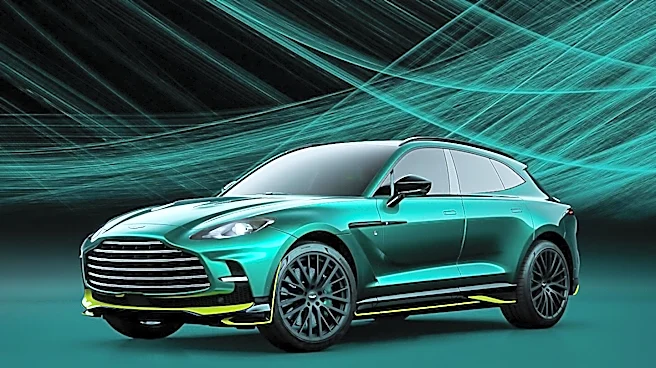
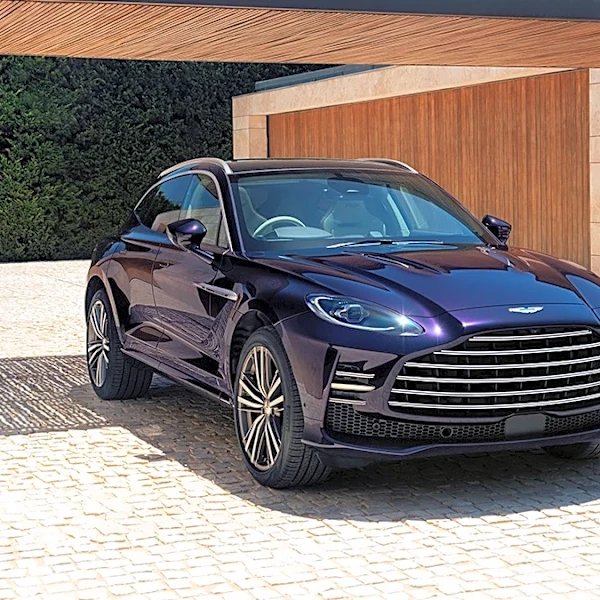
Aston Martin, the British luxury car manufacturer founded in 1913, is undergoing a significant transformation under the leadership of CEO Amedeo Felisa. Since a consortium led by Lawrence Stroll acquired a major stake in 2020, the company has been actively
expanding its model range and committing to electrification. The brand, known for producing approximately 6,000 vehicles annually, is strengthening its partnership with Mercedes-AMG and venturing into sustainable luxury, including hybrid and electric vehicle development. This strategic shift aims to maintain Aston Martin's reputation for handcrafted luxury and cutting-edge technology while adapting to evolving market demands. The company's rich heritage includes iconic models like the DB5 and modern vehicles such as the DBS and Valkyrie hypercar, and it continues to hold a special place in popular culture, notably through its association with James Bond films since 1964.
Why It's Important?
This strategic direction is crucial for Aston Martin's long-term viability and competitiveness in the global luxury automotive market. By expanding its model range, Aston Martin can appeal to a broader customer base and capture new segments, potentially increasing sales and market share. The embrace of electrification is particularly significant, as it positions the company to meet increasingly stringent environmental regulations and consumer demand for sustainable vehicles. This move is vital for the U.S. market, where there is a growing emphasis on electric vehicles and luxury brands are expected to offer eco-friendly options. Strengthening its partnership with Mercedes-AMG provides access to advanced technology and engineering expertise, which can enhance vehicle performance and reliability. This transformation could solidify Aston Martin's financial stability and ensure its continued presence as a leading luxury brand, benefiting investors and enthusiasts alike, while also influencing the broader luxury automotive industry's shift towards sustainable practices.
What's Next?
Aston Martin is expected to continue its rollout of new models, including hybrid and fully electric vehicles, as part of its commitment to electrification. The company will likely further integrate technology from its Mercedes-AMG partnership into its upcoming vehicles, enhancing performance and in-car features. We can anticipate more announcements regarding specific electric vehicle platforms and models in the near future. Additionally, Aston Martin will likely continue to leverage its strong brand identity and cultural associations, such as with James Bond, to market its new offerings. The company's focus on sustainable luxury suggests ongoing investment in research and development for eco-friendly materials and manufacturing processes. Future collaborations with luxury lifestyle partners and exclusive events for motorsport enthusiasts are also probable, aiming to maintain strong brand engagement and loyalty.
Beyond the Headlines
Beyond the immediate product launches and financial implications, Aston Martin's pivot towards electrification and expanded model range reflects a broader industry trend where even ultra-luxury brands are adapting to environmental pressures and changing consumer values. This shift highlights the ethical imperative for manufacturers to reduce their carbon footprint, even within a segment traditionally less concerned with fuel efficiency. The integration of advanced technology from partners like Mercedes-AMG also underscores the increasing interconnectedness of the automotive industry, where collaboration is key to innovation and survival. Furthermore, Aston Martin's ability to maintain its 'handcrafted luxury' ethos while embracing modern technology and sustainability will be a critical test, potentially setting a precedent for how other heritage luxury brands navigate the future. This evolution could redefine what 'luxury' means in the automotive world, blending exclusivity with environmental responsibility and technological sophistication.