






What's Happening?
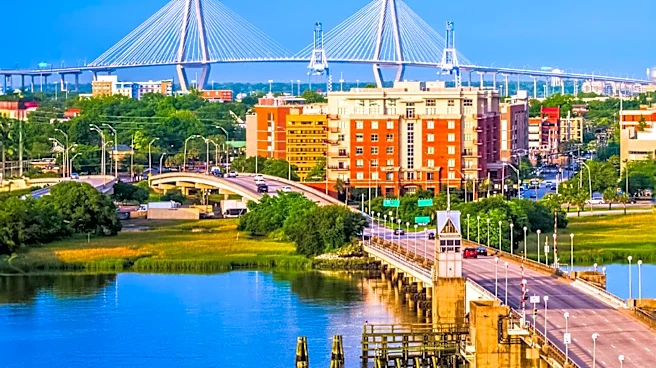
ALO, the Los Angeles-based brand known for activewear and wellness, has opened a new location at 245 King Street in Charleston, South Carolina. This new store, referred to as an 'ALO Sanctuary,' aims to be more than just a retail space, positioning itself
as a community hub for movement, recovery, and mindfulness. The concept reflects ALO's philosophy that wellness extends beyond physical workouts to encompass mental well-being and community engagement. The Charleston location offers a wide range of wellness programming, including access to the ALO Wellness Club platform, which provides thousands of on-demand classes and hundreds of programs covering yoga, Pilates, strength training, barre, running, stretching, meditation, breathwork, sound healing, sleep, nutrition, and self-care. These classes are categorized by difficulty and intensity, catering to both beginners and experienced athletes. The platform features nationally recognized instructors and wellness experts.
Why It's Important?
The opening of ALO's 'Sanctuary' in Charleston signifies a growing trend in the retail sector, where brands are expanding beyond traditional product sales to offer experiential community spaces. This move is important for the U.S. retail landscape as it demonstrates an adaptation to evolving consumer demands for holistic well-being and community connection. For Charleston, it enhances the city's wellness infrastructure and provides residents with a new resource for integrated health practices. The emphasis on mindful movement and a comprehensive wellness club platform could influence local fitness and lifestyle businesses, potentially fostering collaborations or increasing competition. This model also highlights the increasing integration of digital and physical experiences, as the in-person store complements an extensive online class library. The brand's commitment to community programming, such as the ALO Runners Club 5K and wellness walks, suggests a strategy to deeply embed itself within the local fabric, potentially creating a loyal customer base and setting a precedent for other lifestyle brands.
What's Next?
Following its grand opening, ALO is expected to continue integrating into Charleston's wellness community through ongoing local events and in-person programming at its King Street location. Customers can access the ALO Wellness Club platform for free, providing a low barrier to entry for exploring its extensive class library. The brand will likely monitor the engagement with its community events and digital offerings to refine its strategy and expand its reach within the Charleston area. Potential reactions from local businesses in the fitness and wellness sectors could include increased competition, but also opportunities for partnerships or the adoption of similar community-focused models. The success of this 'Sanctuary' concept in Charleston could influence ALO's expansion plans in other U.S. cities, potentially leading to more such integrated retail and wellness hubs across the country. The brand's focus on a diverse range of wellness activities suggests a continuous effort to cater to varied consumer needs and preferences.
Beyond the Headlines
The ALO Sanctuary concept represents a broader cultural shift towards prioritizing holistic well-being and community in daily life. This development goes beyond simply selling activewear; it taps into the desire for spaces that support mental, physical, and social health. The integration of digital platforms with physical locations reflects a modern approach to consumer engagement, where convenience and accessibility are paramount. Ethically, this model promotes a more inclusive view of fitness, moving away from solely performance-driven metrics to embrace mindfulness and recovery. It also highlights the potential for retail spaces to serve as community anchors, fostering social connections and shared experiences. Long-term, this trend could lead to a redefinition of retail, where stores become multi-functional centers offering services, experiences, and products that cater to a comprehensive lifestyle. This approach could also influence urban planning, with a greater emphasis on creating walkable, community-centric commercial districts that support well-being.