









What's Happening?
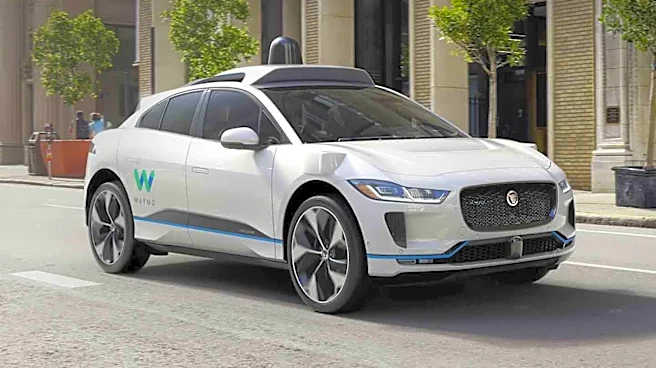
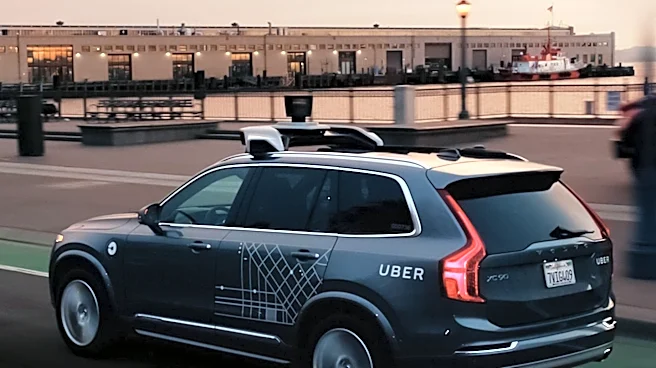
Uber and Waymo are at odds over a proposed bill in Washington, D.C. that would allow for the operation of autonomous vehicles without human safety operators. The bill, introduced by Councilmember Charles Allen, aims to update the Autonomous Vehicle Act
of 2012, enabling driverless testing and commercial operations. Uber opposes the bill, arguing it would displace human drivers and create a monopoly for Waymo. Uber advocates for a hybrid model where autonomous vehicles operate alongside human-driven vehicles on ride-hailing networks. Waymo supports the bill, asserting it promotes safe deployment and equitable access. The bill includes a $0.15 per mile tax on robotaxi operators, with revenue supporting public transit and workforce development. The debate highlights broader industry tensions and the future of autonomous vehicle integration.
Why It's Important?
The outcome of this legislative battle could significantly impact the ride-hailing and autonomous vehicle industries. If the bill passes, it could set a precedent for other cities, influencing how autonomous vehicles are integrated into urban transportation systems. Uber's push for a hybrid model reflects its strategy to maintain its market dominance by ensuring human drivers remain part of the equation. Conversely, Waymo's support for the bill aligns with its goal of expanding autonomous operations. The decision could affect thousands of jobs in the ride-hailing sector and shape the competitive landscape between major players like Uber and Waymo. The stakes are high, as the legislation could either facilitate or hinder the growth of autonomous vehicle technology in the U.S.
What's Next?
The bill's passage is not imminent, with discussions and lobbying efforts ongoing. A hearing is scheduled where various stakeholders, including labor unions, disability rights groups, and industry representatives, will present their positions. The outcome will depend on the ability of Uber and Waymo to sway policymakers. If Uber's hybrid model gains traction, it could lead to similar regulatory frameworks in other jurisdictions. Conversely, if Waymo's vision prevails, it may accelerate the deployment of fully autonomous vehicles. The decision will likely influence future legislative efforts and the strategic directions of both companies.