




What's Happening?
The global Electronics Manufacturing Services (EMS) market is projected to expand significantly, reaching $853.05 billion by 2030, up from $648.51 billion in 2025, at a compound annual growth rate (CAGR) of 5.6%. This growth is primarily fueled by the
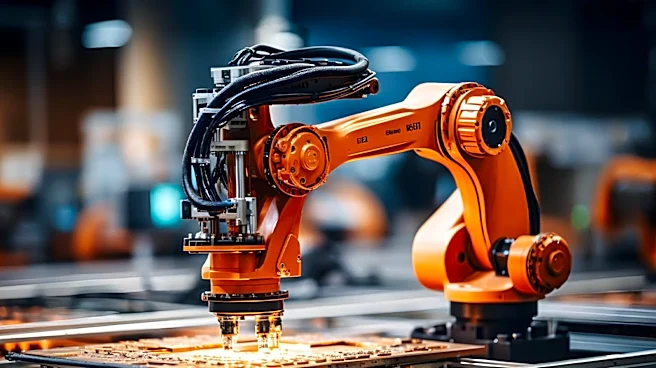
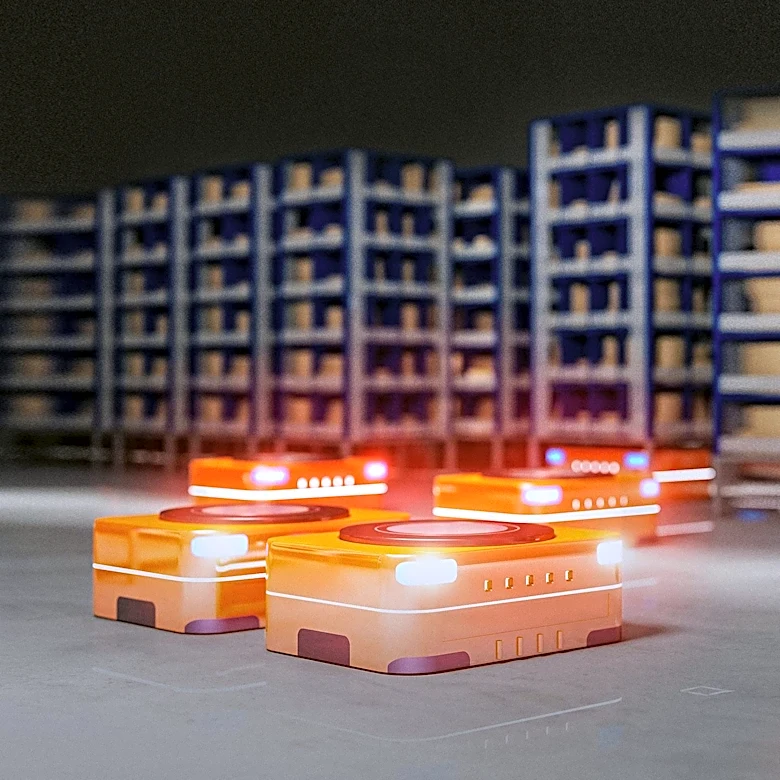
increasing adoption of Artificial Intelligence (AI), automation, robotics, and smart factory technologies within the manufacturing sector. Original Equipment Manufacturers (OEMs) are increasingly outsourcing production to specialized EMS providers due to the rising complexity of electronic products and growing demand for advanced consumer devices, electric vehicles, telecommunications equipment, and AI infrastructure. EMS providers are expanding their services beyond traditional contract manufacturing to include product design, engineering, component sourcing, system integration, testing, and supply chain management. Key players like Jabil Inc. and Sanmina Corporation, both based in the U.S., are investing in AI-enabled production systems, robotics, and smart factory infrastructure to enhance their competitive positions.
Why It's Important?
This market expansion signifies a major shift in the U.S. manufacturing landscape, particularly within the electronics sector. The increased reliance on AI and smart factory integration will lead to higher efficiency, reduced operational costs, and improved product quality for U.S. EMS providers. This trend allows U.S. companies to remain competitive globally by leveraging advanced technologies to meet complex manufacturing demands. The growth in outsourced manufacturing also means that U.S. OEMs can focus more on innovation and market expansion, rather than capital-intensive production facilities. Furthermore, the rising demand for AI servers and data center infrastructure presents significant opportunities for U.S. EMS firms, requiring specialized engineering and precision assembly. The automotive electronics sector, driven by electric vehicle adoption, also offers substantial growth for U.S. manufacturers, necessitating advanced electronic components that meet stringent quality and safety standards.
What's Next?
The EMS market is expected to continue its trajectory towards more connected and data-driven production environments. Future developments will likely see further integration of AI-powered quality inspection, predictive maintenance, digital twins, and automated production planning across manufacturing facilities. U.S. EMS providers will need to continue investing in advanced automation, integrated supply chains, and value-added engineering services to capitalize on emerging opportunities. Strategic partnerships with semiconductor manufacturers, technology companies, and data center operators will become increasingly crucial. The industry will also need to address challenges such as intellectual property security, intense competition, and the rapid pace of technological obsolescence to ensure sustainable growth and maintain a competitive edge in the global market.
Beyond the Headlines
The shift towards smart factories and AI integration in electronics manufacturing has deeper implications for the U.S. workforce and supply chain resilience. While automation promises increased efficiency, it also necessitates a re-skilling of the labor force to manage and maintain advanced technological systems. This could lead to a demand for new skill sets in areas like AI programming, data analytics, and robotics maintenance. Furthermore, the increased connectivity of smart factories raises concerns about cybersecurity, requiring robust measures to protect sensitive manufacturing data and intellectual property. The emphasis on integrated supply chains could also lead to a more resilient and localized manufacturing ecosystem, reducing dependence on overseas production and mitigating risks associated with global disruptions. This technological evolution is not just about efficiency but also about redefining the future of work and national economic security in the U.S.