



What's Happening?
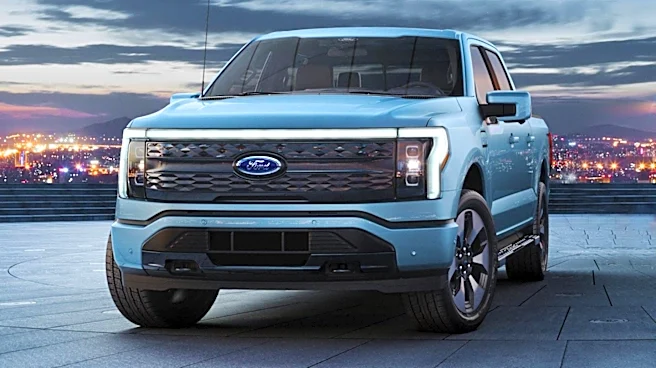
Ford Motor Co. is investing $1 billion to construct a new paint shop at its Kentucky Truck Plant in Louisville, aiming to modernize a key manufacturing operation. Groundbreaking for this project is anticipated by late this year. This investment is part
of broader commitments in Kentucky, which include approximately $2 billion to transform the Louisville Assembly Plant into a manufacturing hub for Ford’s Universal Electric Vehicle Platform. This transformation will support the production of the Ford Fathom, a midsize electric pickup truck slated for a 2027 launch. Additionally, Ford Energy Systems in Glendale is receiving about $2 billion to manufacture battery energy storage systems. Jim Farley, president and CEO of Ford, highlighted that the Kentucky Truck Plant is Ford Motor Company’s largest and highest-revenue plant, with a vehicle rolling off the assembly line every 45 seconds. The Louisville Assembly Plant's revamp is expected to create or secure around 2,200 jobs, making it one of Ford’s most advanced and flexible EV manufacturing facilities.
Why It's Important?
This significant investment by Ford underscores its commitment to American manufacturing and the future of mobility and energy within the United States. The modernization of the Kentucky Truck Plant and the establishment of advanced EV manufacturing capabilities at the Louisville Assembly Plant are crucial for Ford's strategic shift towards electric vehicles. The creation and securing of approximately 2,200 jobs in Louisville will provide substantial economic benefits to the region, reinforcing Kentucky's role in the automotive industry. Ford's long-standing presence in Kentucky, dating back to 1913, has a profound economic impact, contributing $11.7 billion annually to the state’s GDP and supporting nearly 120,000 jobs through its operations, suppliers, and dealers. The new paint shop will enhance the plant's competitiveness by delivering cleaner and more efficient paint quality, improving efficiency, and promoting environmental sustainability, aligning with modern manufacturing standards and consumer expectations for quality.
What's Next?
Groundbreaking for the new paint shop at the Kentucky Truck Plant is expected by late this year, initiating the modernization process. The Louisville Assembly Plant will continue its transformation to integrate Ford’s Universal EV Production System, preparing for the launch of the Ford Fathom midsize electric pickup in 2027. Concurrently, Ford Energy Systems in Glendale is projected to begin production of battery energy storage systems in late 2027, creating at least 2,100 new jobs and achieving an annual production capacity of at least 20 gigawatt-hours. These developments indicate a sustained focus by Ford on expanding its electric vehicle and energy storage capabilities, with ongoing efforts to recruit and train the necessary workforce. The company will likely continue to emphasize its commitment to quality and sustainability in its manufacturing processes, building on its recognition as the No. 1 mainstream brand in the J.D. Power U.S. Initial Quality Study.
Beyond the Headlines
Ford's substantial investment in Kentucky reflects a broader trend in the automotive industry towards electrification and advanced manufacturing within the U.S. This move not only secures Ford's competitive position in the evolving global market but also highlights the strategic importance of domestic production for national economic resilience and job creation. The emphasis on environmental sustainability through upgraded paint shop technology and the production of battery energy storage systems signals a commitment to reducing the carbon footprint of manufacturing and supporting the transition to renewable energy. This investment could also serve as a catalyst for further technological innovation and workforce development in Kentucky, potentially attracting other high-tech industries and fostering a skilled labor force capable of supporting future industrial advancements. The long-term implications include strengthening the U.S. supply chain for electric vehicles and reducing reliance on foreign manufacturing, contributing to national energy independence.