




What's Happening?
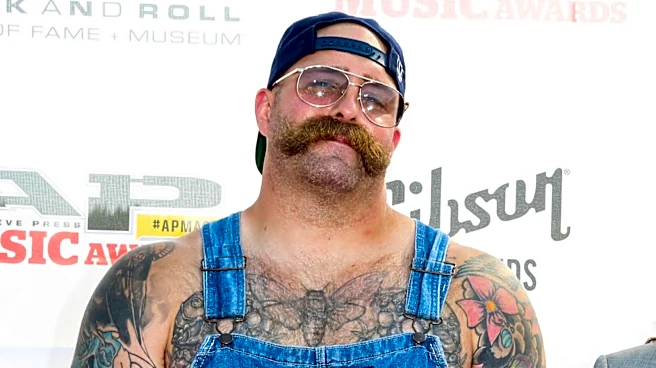
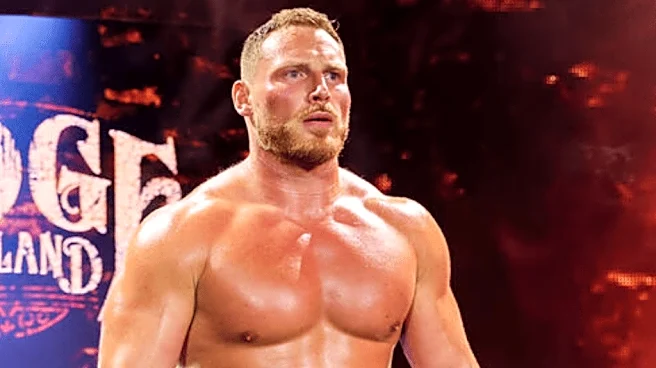
Andy Williams, a former All-Elite Wrestling (AEW) wrestler known by his ring name 'The Butcher,' died on Saturday at the age of 48. Williams collapsed during a tag team match in Millvale, Pennsylvania. The Allegheny County Medical Examiner's Office confirmed
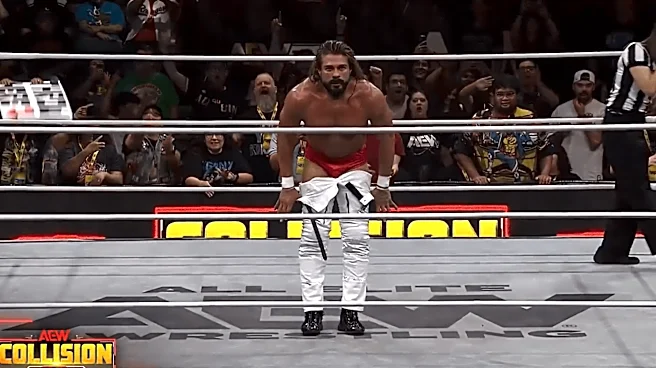
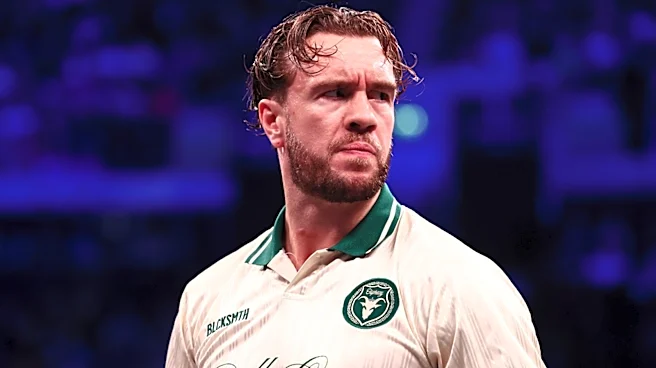
his death was due to a medical emergency. According to Enjoy Wrestling, the promotion where the incident occurred, doctors on staff immediately tended to Williams, administering CPR until an ambulance arrived. Williams was a member of AEW, where he wrestled alongside his longtime tag team partner, Jesse Guilmette, known as 'The Blade.' In addition to his wrestling career, Williams was also a member of the heavy metal band 'Every Time I Die.'
Why It's Important?
The sudden death of Andy Williams at a relatively young age highlights the physical demands and potential health risks associated with professional wrestling. While the exact nature of his medical emergency has not been fully disclosed, it brings attention to the intense physical strain athletes in this profession endure. This incident is a somber reminder of the fragility of life and the importance of athlete health and safety protocols in high-impact sports entertainment. For the wrestling community, it represents a significant loss of a respected performer and musician, prompting an outpouring of grief and reflection on his contributions to both industries.
What's Next?
The wrestling and music communities are expected to continue mourning the loss of Andy Williams. Tributes from fellow wrestlers, musicians, and fans are likely to continue across social media and at upcoming events. Investigations into the specific cause of his medical emergency may provide further insights, though details are often kept private out of respect for the family. This tragic event could also prompt discussions within professional wrestling organizations about enhancing medical screening, emergency response protocols, and long-term health support for their performers.
Beyond the Headlines
Andy Williams' death transcends the immediate tragedy, touching upon the broader conversation about the health and well-being of professional athletes, particularly in physically demanding and high-performance fields like wrestling. It raises questions about the long-term effects of such careers on the human body, the adequacy of current health monitoring, and the support systems in place for performers. His dual career as a wrestler and a heavy metal musician also highlights the diverse talents and passions of individuals in the entertainment industry, and the impact their sudden loss has on multiple fan bases and creative communities. The incident serves as a poignant reminder of the human element behind the spectacle of entertainment.