



What's Happening?
A growing number of homeowners are vocalizing their dissatisfaction with various modern home design trends, citing issues ranging from impracticality to a lack of originality. Among the most disliked trends are sterile, all-white kitchens and bathrooms,
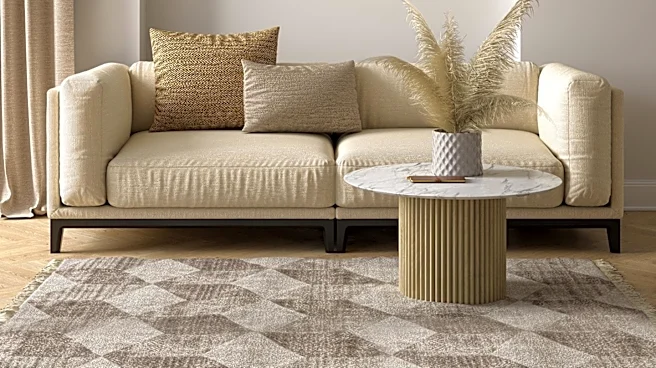
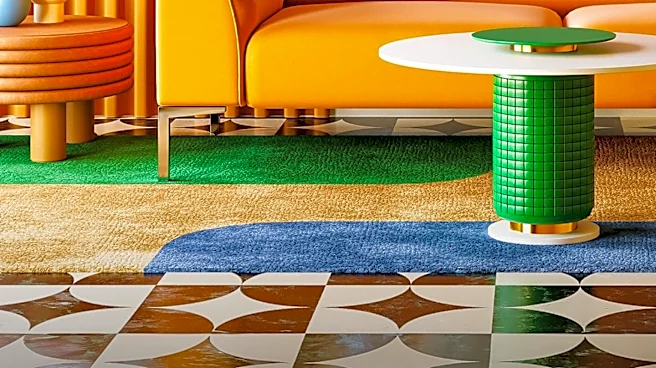
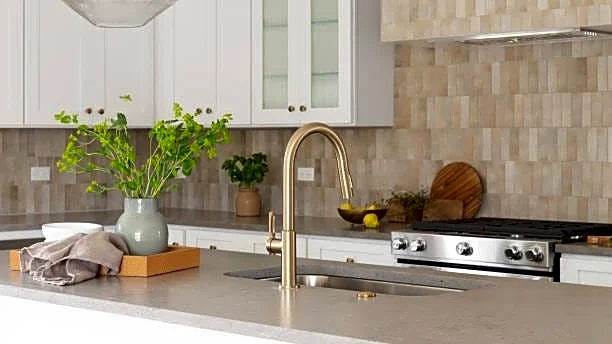
which some compare to 'psych wards or hospitals.' Gold hardware in kitchens and bathrooms, muted wood tones in furniture and flooring, and 'color drenching' (especially with darker colors) are also drawing criticism for not translating well from photos to real life. Other trends receiving negative feedback include walking through bathrooms to access closets, mass-market mid-century modern furniture, galley kitchens, excessive wooden signs, vessel sinks, and the prevalence of white houses with black trim. Freestanding tubs and 'cloud' couches are also frequently mentioned for their impracticality and perceived lack of quality.
Why It's Important?
This widespread discontent among homeowners signals a potential shift in consumer preferences and a challenge to the current trajectory of the home design industry. The criticism highlights a disconnect between designer-driven trends and the practical, long-term needs and desires of those living in these spaces. For home builders, interior designers, and furniture manufacturers, this feedback is crucial for adapting future designs to better meet market demands. Ignoring these sentiments could lead to decreased buyer satisfaction and a quicker obsolescence of newly built or renovated homes. The emphasis on functionality, durability, and personal expression over fleeting aesthetics suggests a maturing market that values substance as much as style.
What's Next?
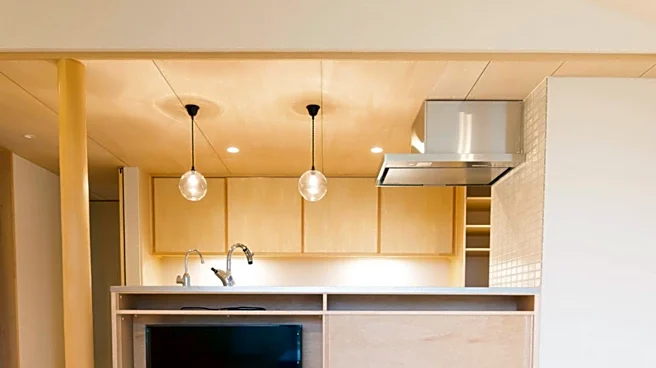
The vocal opposition to certain modern home design trends is likely to prompt a re-evaluation within the industry. Home builders may begin to incorporate more diverse layouts, such as traditional square kitchens, and reconsider the placement of bathrooms relative to closets. Furniture manufacturers might explore a wider range of wood tones and more practical seating options beyond 'cloud' couches. Interior designers may need to balance trendy aesthetics with long-term liveability and client preferences. This feedback could also lead to a resurgence of more classic or personalized design elements, moving away from a uniform, mass-produced look. Consumers will likely become more discerning, prioritizing functionality and personal taste over blindly following popular trends.
Beyond the Headlines
The backlash against certain modern home design trends reflects a deeper cultural conversation about authenticity, sustainability, and the human experience within built environments. The critique of 'sterile' spaces and impractical features suggests a yearning for homes that feel warm, personal, and genuinely functional, rather than just visually appealing. The concern over 'color drenching' not working in real life, or the impracticality of freestanding tubs, points to a desire for design that prioritizes lived experience over photographic aesthetics. This movement away from purely trend-driven design could foster a more thoughtful approach to home creation, emphasizing craftsmanship, longevity, and the unique needs of individual inhabitants, ultimately leading to more meaningful and enduring residential architecture and interiors.