





What's Happening?
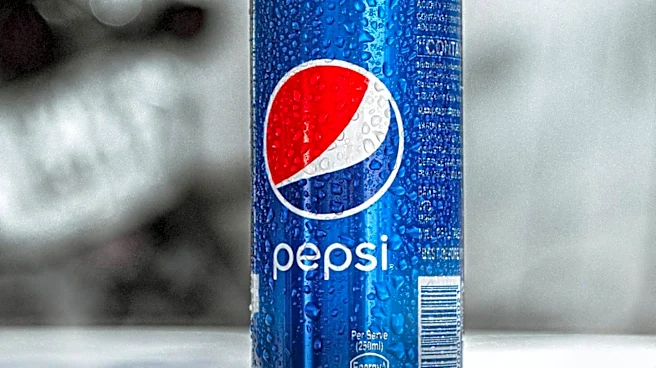
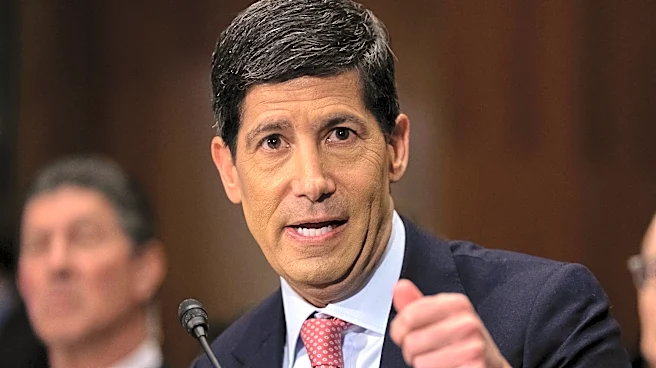
Ramon Laguarta, CEO of PepsiCo, has addressed the company's financial performance amidst rising oil prices. The increase in oil prices has led to higher household fuel expenses, which in turn has pressured non-essential consumer spending. This has resulted
in a noticeable decline in impulse buying and convenience store visits, contrary to the company's initial expectations. Despite these challenges, PepsiCo's international markets have shown some improvement, partially offsetting the domestic slowdown. The company's earnings per share (EPS) were adjusted to $2.20, slightly below market expectations, while total revenue was reported at $24.18 billion, marginally exceeding forecasts.
Why It's Important?
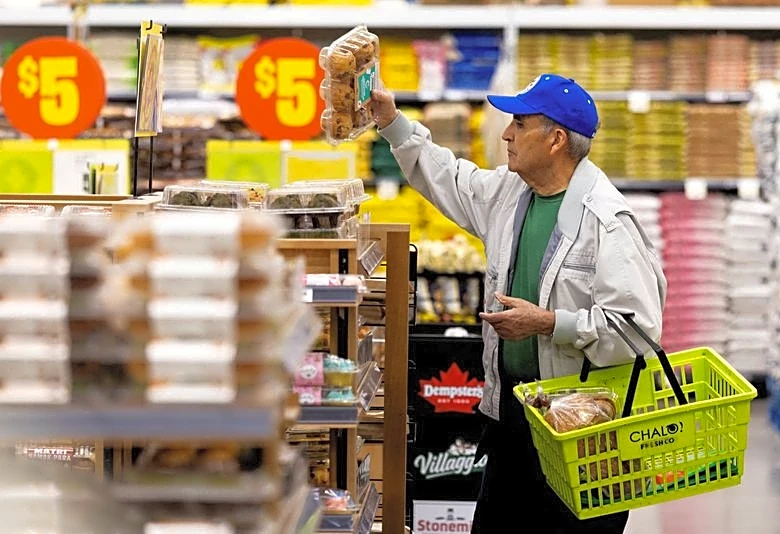
The rising oil prices have broader implications for consumer behavior and spending patterns in the U.S. As fuel costs increase, consumers are likely to cut back on discretionary spending, affecting companies like PepsiCo that rely on impulse purchases. This shift could lead to a reevaluation of business strategies for companies dependent on non-essential consumer goods. Additionally, the economic pressure from fuel costs may influence broader market trends, potentially impacting stock performance and investor confidence in consumer goods sectors.
What's Next?
PepsiCo and similar companies may need to adjust their strategies to accommodate changing consumer behaviors. This could involve exploring new markets or product lines that are less sensitive to economic fluctuations. Additionally, companies might focus on cost management and efficiency improvements to maintain profitability. The ongoing economic conditions will likely prompt further analysis and adjustments in business operations to align with consumer spending capabilities.