




What's Happening?
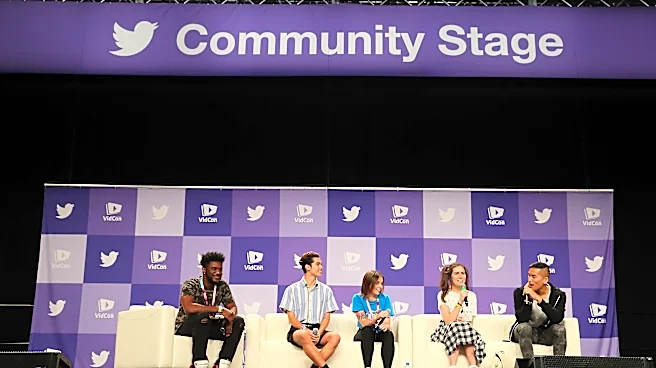
Brand marketing is evolving beyond digital screens as creators increasingly host in-person events to foster deeper engagement with their communities and brands. This shift involves various formats, including intimate fan meetups, experiential pop-ups,
workshops, festivals, and live performances. Instead of merely appearing at brand events, creators are now central to shaping these experiences, transforming passive audiences into active participants. This approach allows consumers to directly interact with products, meet creators, and connect with like-minded individuals, creating memorable experiences that extend beyond social media interactions. The trend is driven by the growing saturation of digital content and creators' desire to build more direct relationships with their audiences, diversify revenue streams, and reduce dependence on platform algorithms. Brands are finding value in these physical experiences as they offer a more layered form of engagement, allowing for product demonstrations, trials, and personal interactions that digital campaigns cannot fully replicate. This movement is gaining traction globally, with India being a notable example where creators are taking digital communities offline through diverse formats.
Why It's Important?
This shift in brand marketing is significant for both creators and businesses in the U.S. For creators, it represents an opportunity to build stronger, more resilient communities that are less reliant on the fluctuating dynamics of social media platforms. By hosting ticketed events, workshops, and selling merchandise at these gatherings, creators can diversify their income beyond traditional brand partnerships, fostering greater financial stability and independence. For brands, in-person creator-led experiences offer a powerful way to build authentic connections with consumers. These events allow for direct product interaction, which can be crucial for categories where hands-on experience influences purchasing decisions. This deeper engagement can lead to increased brand loyalty, improved customer perception, and more effective marketing outcomes than purely digital campaigns. The ability to generate content before, during, and after these events also provides brands with a wealth of material for ongoing digital campaigns, creating a synergistic relationship between online and offline marketing efforts. This evolution underscores a broader trend where genuine attention and participation are becoming more valuable than mere digital reach.
What's Next?
The trend of creator-led in-person experiences is expected to continue evolving, with brands potentially moving beyond one-off activations towards supporting recurring community properties. This could involve brands sponsoring series of creator-led workshops or local gatherings across different cities, integrating these events into their long-term marketing strategies. Creators are also likely to further develop their own event identities, establishing recurring festivals or community programs that brands can then participate in, rather than building audiences from scratch for each activation. Technology will play a crucial role in this evolution, with advancements in registration platforms, event communities, ticketing systems, and audience analytics enhancing the planning and execution of these experiences. Artificial intelligence may also be utilized to better understand audience preferences and optimize event planning. Furthermore, stronger collaborations between influencer agencies, event management companies, and experiential marketing specialists are anticipated, combining creator understanding with operational expertise to deliver more impactful and seamless in-person events.
Beyond the Headlines
The deeper implications of this shift extend to the very nature of consumer-brand relationships and the creator economy. Ethically, these in-person interactions can foster a greater sense of authenticity and transparency between creators, brands, and their audiences, potentially counteracting the perceived superficiality of purely digital engagements. Legally, as more physical events occur, there will be increased considerations around liability, intellectual property for event content, and data privacy for attendee information. Culturally, this movement signifies a growing desire for real-world connection and shared experiences in an increasingly digital world. It suggests a long-term shift where the value of influence is measured not just by digital reach, but by the ability to mobilize and engage communities in tangible ways. This could lead to a re-evaluation of marketing metrics, prioritizing qualitative engagement and community building over quantitative impressions. Ultimately, this trend highlights a fundamental human need for connection, which creators and brands are now leveraging to build more meaningful and lasting relationships.