




What's Happening?
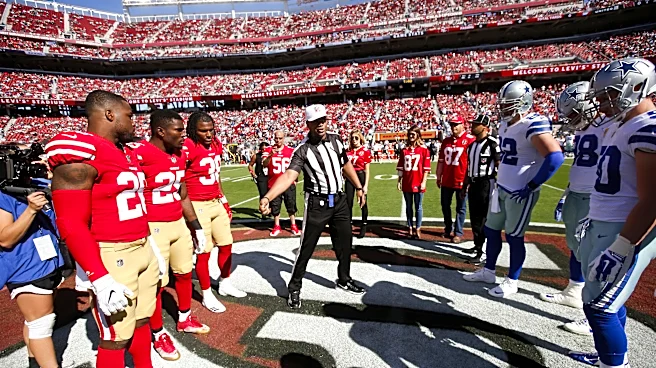
The Minnesota Vikings and San Francisco 49ers are employing contrasting methods to prepare for their upcoming NFL game in Mexico City, which will be played at an altitude of over 7,000 feet above sea level. The 49ers have opted for direct acclimatization,
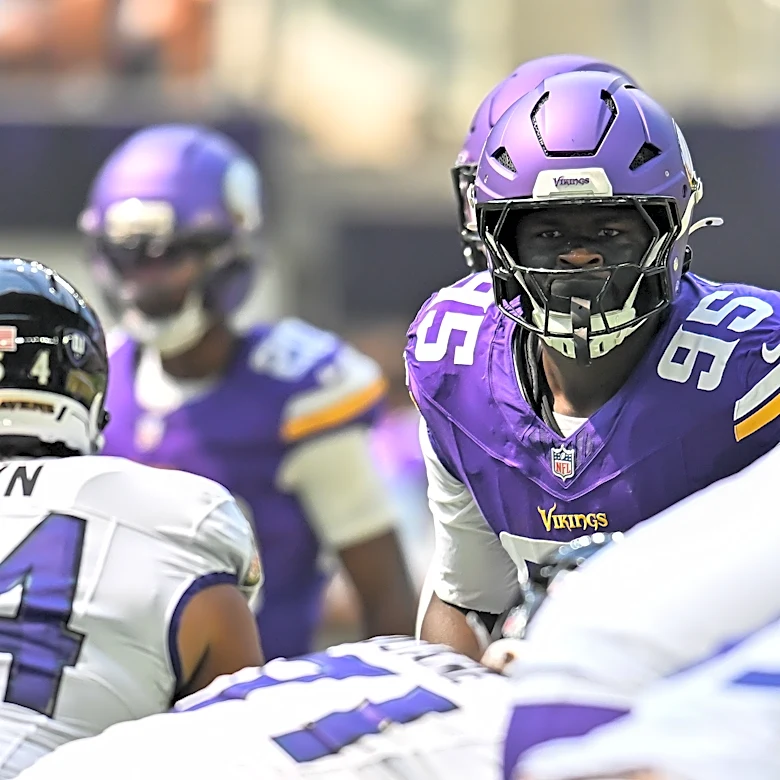
traveling from Dallas to Colorado Springs, Colorado, after their recent win against the Cowboys. They are spending the week practicing at the Air Force Academy, which is approximately 6,600 feet above sea level, before flying to Mexico City on Saturday. This strategy aims to gradually adjust players to thinner air. In contrast, the Minnesota Vikings are remaining at their home facility. Their preparation involves utilizing a high-altitude room designed to simulate conditions at 12,000 feet. According to Vikings vice president of health and performance Tyler Williams, nearly the entire roster has completed multiple sessions in this chamber, accumulating close to 450 sessions in total. The Vikings plan a quick trip, flying to Mexico City on Saturday and departing immediately after the game, prioritizing the preservation of their regular weekly routine.
Why It's Important?
The differing approaches highlight a strategic debate in professional sports regarding optimal altitude preparation. The 49ers' method of direct acclimatization in a high-altitude environment is a traditional strategy, aiming for physiological adaptation over several days. This could potentially reduce the immediate impact of altitude sickness and fatigue during the game. The Vikings' innovative use of a simulated high-altitude chamber at their home facility represents a modern, technology-driven approach. This allows players to train in controlled conditions without disrupting their established routines, which is often a significant concern for athletes. The outcome of the game could provide valuable insights into the effectiveness of these two distinct strategies, influencing future preparation protocols for teams facing similar environmental challenges. For the NFL, understanding which method yields better performance could inform guidelines for international games played at elevation, impacting player safety and competitive fairness.
What's Next?
The immediate next step is the NFL game itself in Mexico City, where the effectiveness of each team's preparation strategy will be put to the test. Coaches and performance staff from both teams will closely monitor player performance, endurance, and recovery during and after the game to assess the impact of their chosen methods. Post-game analyses will likely include player feedback, physiological data, and overall team performance metrics. Depending on the results, other NFL teams and professional sports organizations might re-evaluate their own altitude preparation protocols. If one strategy proves significantly more effective, it could lead to wider adoption across the league, potentially influencing how teams approach international games or matchups in high-altitude cities like Denver. The NFL may also review these outcomes to refine its recommendations or requirements for teams playing in challenging environmental conditions.
Beyond the Headlines
Beyond the immediate game outcome, this situation touches upon broader themes in sports science and athlete management. The Vikings' use of an altitude chamber reflects a growing trend in professional sports towards leveraging advanced technology for performance enhancement and injury prevention. This approach allows for precise control over environmental variables, potentially offering a more tailored and consistent training stimulus than natural acclimatization. Conversely, the 49ers' traditional method emphasizes the holistic benefits of training in a natural high-altitude environment, which can include psychological adaptation and team bonding away from regular distractions. The debate also highlights the tension between maintaining routine and adapting to novel environmental stressors. The long-term implications could involve further research into the physiological benefits and drawbacks of simulated versus natural altitude training, potentially leading to more sophisticated, hybrid preparation models that combine the best aspects of both approaches.