






What's Happening?
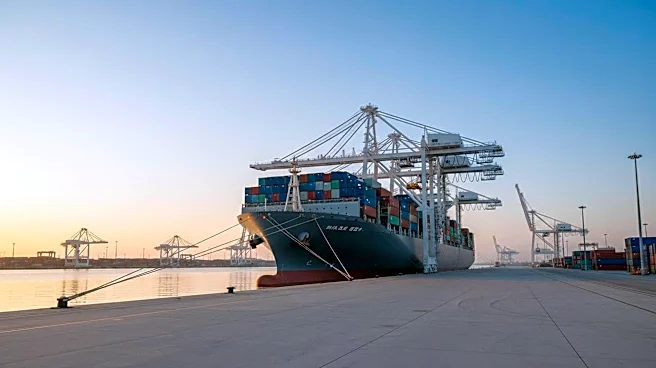
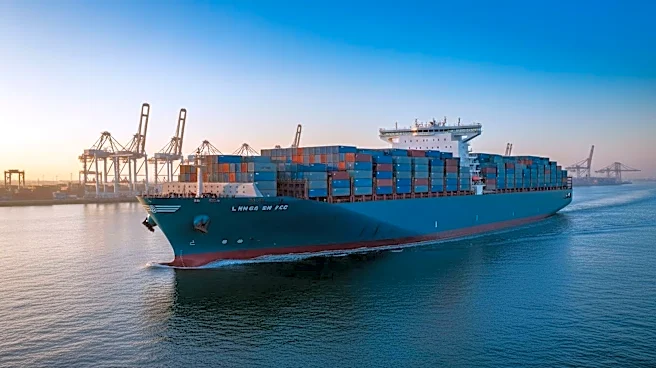
According to DNV's Alternative Fuels Insight platform, orders for alternative-fueled vessels have decreased in the first half of 2026, with 137 orders compared to 155 in the same period in 2025. LNG remains the leading fuel option, with significant orders for container
and car carriers. LPG and ethane carriers also saw increased activity, while orders for vessels fueled by methanol, ethanol, ammonia, and hydrogen were minimal. Despite the decline in orders, the delivery of alternative-fueled vessels continues, with 61 LNG-fueled and 38 methanol-fueled vessels delivered so far in 2026. The market is progressing at varying speeds, influenced by segment economics, fuel availability, and regulatory landscapes.
Why It's Important?
The slowdown in orders for alternative-fueled vessels reflects the complexities and challenges in transitioning to greener maritime operations. The maritime industry is under pressure to reduce emissions and adopt sustainable practices, but economic and regulatory factors play a significant role in shaping the pace of this transition. The continued interest in LNG and the exploration of other fuels like ammonia and ethanol indicate a diverse approach to decarbonization. This trend impacts shipbuilders, fuel suppliers, and regulatory bodies as they navigate the evolving landscape of maritime sustainability.