







What's Happening?
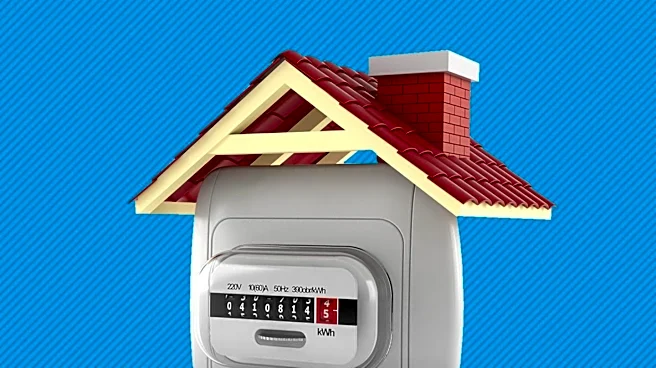
Xcel Energy's residential customers in Colorado are set to experience an average monthly increase of $5 on their electric bills, while commercial customers will see an average rise of $7.29. This represents a 4.77% and 4.64% monthly increase for residential and commercial customers,
respectively. The Colorado Public Utilities Commission (PUC) approved this rate hike after months of negotiations involving Xcel, state regulators, and consumer advocacy groups like AARP and Energy Outreach Colorado. Xcel had initially sought a larger increase of $355 million in annual revenue, which would have boosted average residential bills by nearly 10% per month. The approved increase will allow Xcel to grow its annual revenue by $157 million. Xcel expressed disappointment with the decision, arguing that higher rates are necessary to fund infrastructure improvements, strengthen the grid against severe weather, and support the transition to cleaner energy resources in line with Colorado's climate goals.
Why It's Important?
This rate increase is significant for Colorado residents and businesses, particularly those already struggling with rising living costs, including high gasoline prices and grocery bills. For organizations like Energy Outreach Colorado, which assists low-income households with utility payments, the increase means more families will face challenges affording their energy bills. The AARP also voiced concerns about the impact on senior citizens on fixed incomes. The PUC's decision reflects a balancing act between Xcel's need to invest in infrastructure and clean energy initiatives, and the public's capacity to absorb higher costs. Xcel's argument that investments are driven by Colorado's energy policy and aimed at improving reliability and resilience highlights the complex interplay between state climate goals, utility operational needs, and consumer affordability. The ongoing debate over Xcel's capital expenditures, which have significantly increased in recent years, underscores a broader concern about the long-term affordability of electricity if costs continue to outpace inflation.
What's Next?
Xcel Energy customers can expect to see the approved rate hike reflected in their bills as early as October, following a formal order from the PUC. Xcel has also indicated that it will evaluate its investment approach in Colorado given the PUC's decision, suggesting potential adjustments to future infrastructure projects or clean energy transitions. The company is also pursuing a separate request to raise natural gas rates, with proceedings scheduled to begin later this year, which could lead to further increases in household utility expenses. Consumer advocacy groups will likely continue to monitor Xcel's rate proposals and advocate for affordability, especially for vulnerable populations. The agreement does include provisions for Xcel's energy affordability program, which caps bills for low-income households, with a lower threshold for these caps once the new rates are implemented. This indicates an ongoing effort to mitigate the impact on the most affected customers.
Beyond the Headlines
The Xcel Energy rate increase in Colorado illuminates a critical tension at the heart of the U.S. energy transition: how to fund necessary infrastructure upgrades and clean energy initiatives without unduly burdening consumers. The significant increase in Xcel's capital expenditures, driven by both grid modernization and climate goals, points to the substantial costs associated with decarbonizing the energy sector and enhancing grid resilience against extreme weather. This situation raises fundamental questions about who should bear these costs and how to ensure equitable access to affordable energy. The PUC's concern that electricity may become 'unaffordable for many customers' if capital spending continues to outpace inflation highlights a potential long-term societal challenge. This case serves as a microcosm of the broader national dilemma of balancing ambitious climate targets with economic realities, and the need for innovative financing mechanisms and policy frameworks that can support a sustainable and equitable energy future.