




What's Happening?
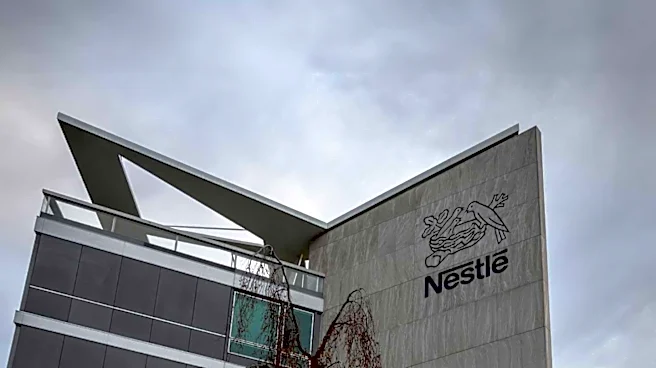
Nestlé S.A. has maintained its 2026 outlook for 3% to 4% organic growth and free cash flow above CHF 9 billion, following stronger volume momentum in the third quarter of 2026. Organic growth reached 4.0% in the quarter, with real internal growth of 2.8%
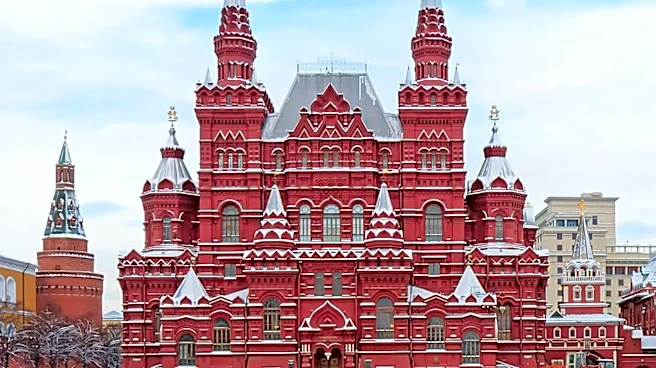
and pricing of 1.1%. However, the company's reported figures will be affected from the fourth quarter due to the loss of control over its Russian operations. A Russian presidential decree in September 2026 placed Nestlé Russia under temporary external administration, leading Nestlé to stop consolidating these operations at the end of September. While the company remains the legal owner of the assets, this change will impact reported sales, underlying trading operating profit, and free cash flow, and is expected to increase group net debt by approximately CHF 900 million by the end of 2026.
Why It's Important?
The situation in Russia highlights the geopolitical risks faced by multinational corporations operating in complex international environments. While Nestlé has excluded Russia from its organic growth calculations since 2022, the temporary external administration still creates significant financial and operational challenges. The impact on reported sales and profitability, despite the maintained organic growth outlook, underscores the difference between operational performance and the financial reporting consequences of geopolitical events. For U.S. and international investors, this situation emphasizes the importance of assessing political stability and regulatory risks in their investment decisions. The company's ability to maintain its overall outlook despite this significant disruption demonstrates resilience but also signals potential future headwinds, particularly in 2027, as the full annual impact of the Russian situation will be reflected in comparisons.
What's Next?
Nestlé expects the full-year effect of the Russian situation to be limited for 2026 but anticipates it will become a slight headwind in 2027, as three quarters of the annual impact will then be reflected in the comparison. The company plans to provide more detailed information on the Russian balance sheet with its full-year results in February 2027. For 2027, management expects a more inflationary environment, indicating that further pricing adjustments may be necessary. Nestlé's strategy involves raising prices where consumer proposition supports it, while leveraging cost savings, innovation, and stronger distribution to protect volume growth. Investors will be closely monitoring these developments, particularly the long-term implications of the Russian situation and the company's pricing strategies in an inflationary climate.
Beyond the Headlines
The Russian decree placing Nestlé Russia under temporary external administration raises complex legal and ethical questions regarding property rights and international business operations. While Nestlé remains the legal owner, the loss of operational control effectively nationalizes the business, at least temporarily. This event could set a precedent for other foreign companies operating in Russia and other politically volatile regions, increasing the perceived risk of doing business internationally. It also highlights the challenges of disentangling operations in such circumstances, as the company must balance protecting its assets and employees with adhering to international sanctions and corporate responsibilities. The situation underscores the need for robust risk management strategies that account for geopolitical uncertainties and potential government interventions.