


What's Happening?
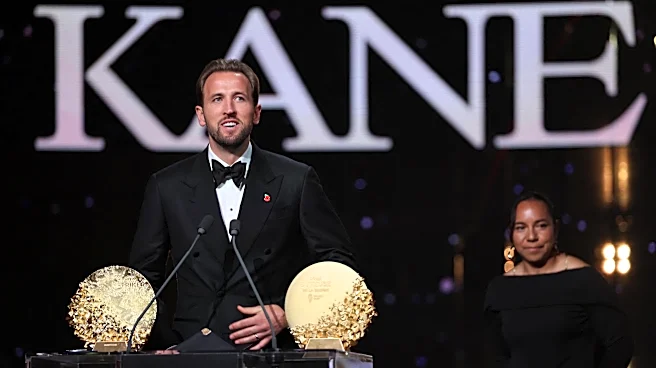
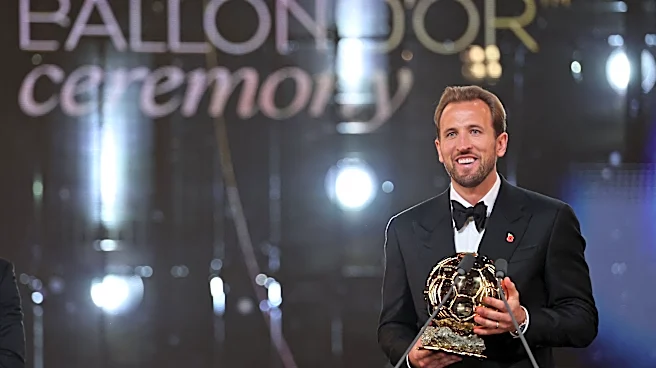
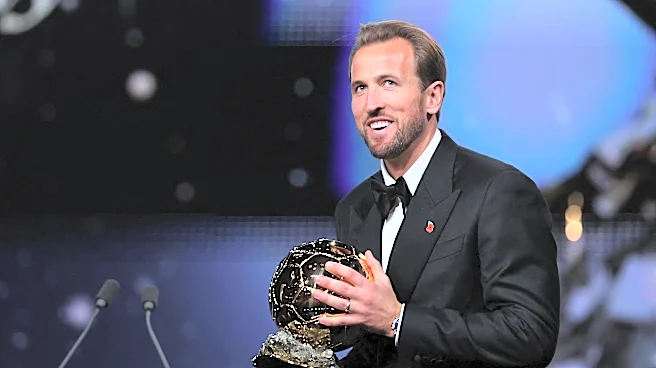
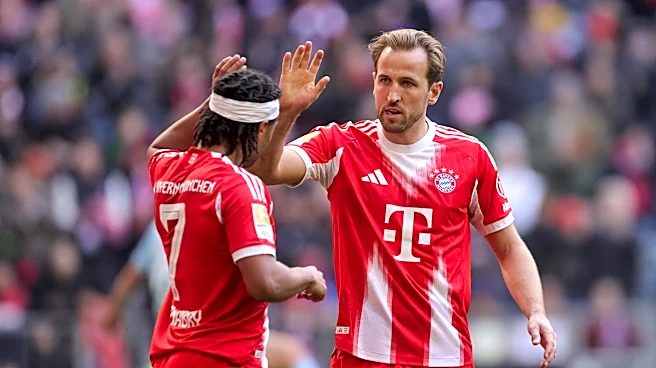
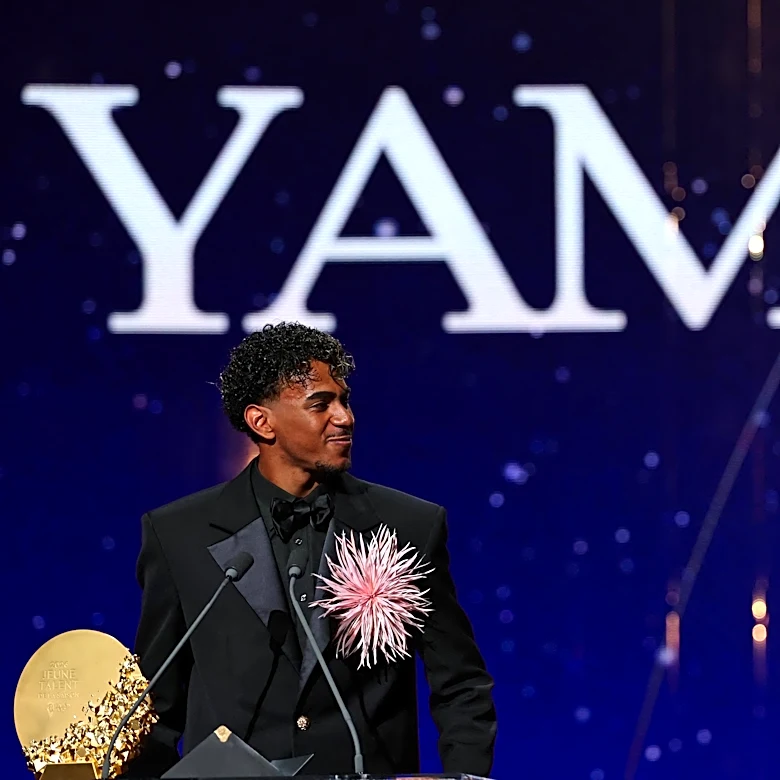
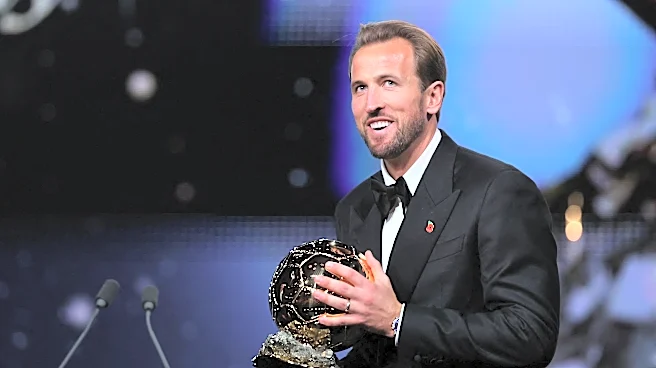
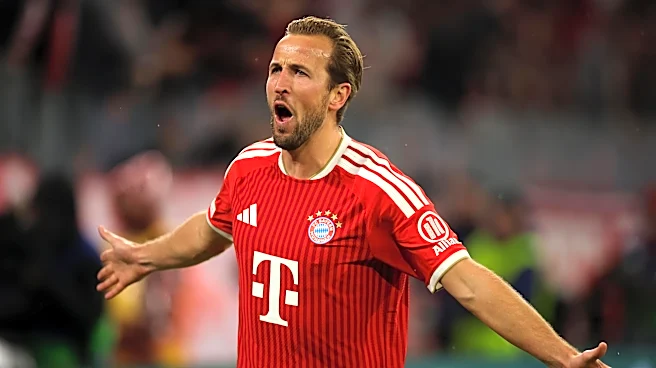
Harry Kane, currently a Bayern Munich forward, has won the 2026 Ballon d'Or, a prestigious individual award in football. In his acceptance speech, Kane specifically thanked Tottenham Hotspur for their role in his development and career. He joined the club's
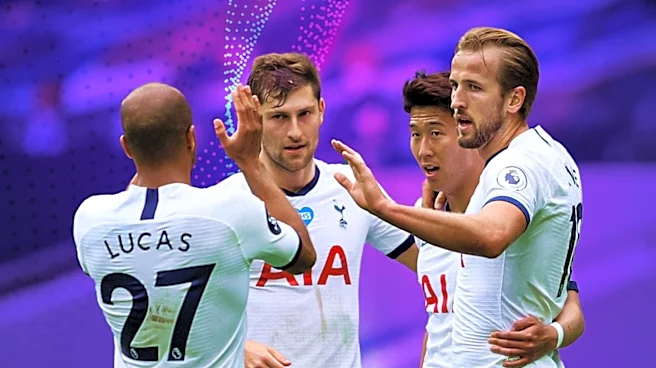
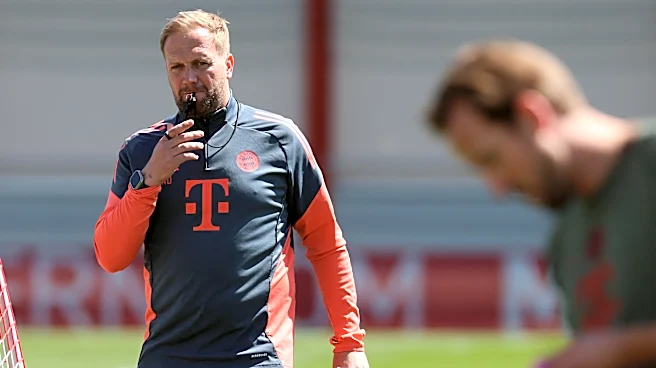
academy at 11 years old and progressed through their ranks, eventually becoming their all-time leading goalscorer. Kane acknowledged that he would not be where he is today without the guidance and coaching he received at Tottenham. He also extended his gratitude to several specific coaches from his early days at the academy, including Bradley Allen, Chris Ramsey, John McDermott, Alex Inglethorpe, Tim Sherwood, and Ryan Mason. This recognition highlights the significant impact Tottenham had on his journey to becoming one of the world's top footballers.
Why It's Important?
This acknowledgment from Harry Kane underscores the critical role youth academies play in nurturing talent and shaping the careers of professional athletes. For Tottenham Hotspur, Kane's success and his public gratitude serve as a testament to the effectiveness of their development program and their commitment to fostering young players. It enhances the club's reputation as a breeding ground for world-class talent, potentially attracting more promising young athletes to their academy. For the broader football community, it reinforces the idea that long-term investment in youth development can yield significant returns, not just for individual players but for the clubs and national teams they represent. Kane's journey from an 11-year-old academy player to a Ballon d'Or winner provides an inspiring narrative for aspiring footballers globally.
What's Next?
While Harry Kane is currently with Bayern Munich, his continued success and public appreciation for Tottenham Hotspur could foster a stronger connection between him and his former club. This could manifest in various ways, such as future testimonial matches, ambassadorial roles, or even a potential return to the club in a different capacity later in his career. For Tottenham, they will likely leverage this recognition to further promote their academy and attract new talent, emphasizing the success stories that have emerged from their system. The club may also continue to celebrate Kane's achievements, reinforcing their legacy as a club that develops elite players. This event could also inspire other clubs to re-evaluate and strengthen their youth development programs, recognizing the long-term benefits of such investments.
Beyond the Headlines
Harry Kane's tribute extends beyond a simple thank you; it highlights the often-overlooked human element in professional sports. It emphasizes the profound impact that mentors, coaches, and foundational institutions have on an individual's journey to excellence. In an era where player transfers and financial transactions often dominate headlines, Kane's speech serves as a reminder of the personal connections and developmental support that are crucial for an athlete's growth. This narrative can inspire young athletes to value the guidance they receive and for sports organizations to prioritize holistic player development over short-term gains. It also subtly reinforces the idea of loyalty and gratitude within a highly competitive and often transient industry, suggesting that even at the pinnacle of success, one's roots and early influences remain significant.